 English
 Español
 Français
 עברית
 Português


Uso de suelo costa rica, which translates directly to “land use” or “soil use,” is the official zoning classification assigned to every parcel of land in Costa Rica. It tells you what you are legally allowed to build, operate, or do on a given property. Before you fall in love with a hilltop lot or a beachfront parcel, this one document can either confirm your plans or stop them cold. Buyers who skip this step have ended up with commercial land they couldn’t legally build a home on, or residential parcels blocked from short-term rental use. The classification is set by the municipal government where the property sits, and no amount of negotiation with the seller changes what the municipality has on record.
- Uso de suelo is the official zoning classification that determines legal land use in Costa Rica, set by each municipality.
- You must request it from the local municipality (not the national registry) before signing any purchase agreement.
- Mismatched use, like running a rental business on residentially zoned land, can result in fines or forced closure.
- Always pair the uso de suelo check with a $29 title and lien report from Folio before committing money.
What exactly does uso de suelo mean for your property plans?
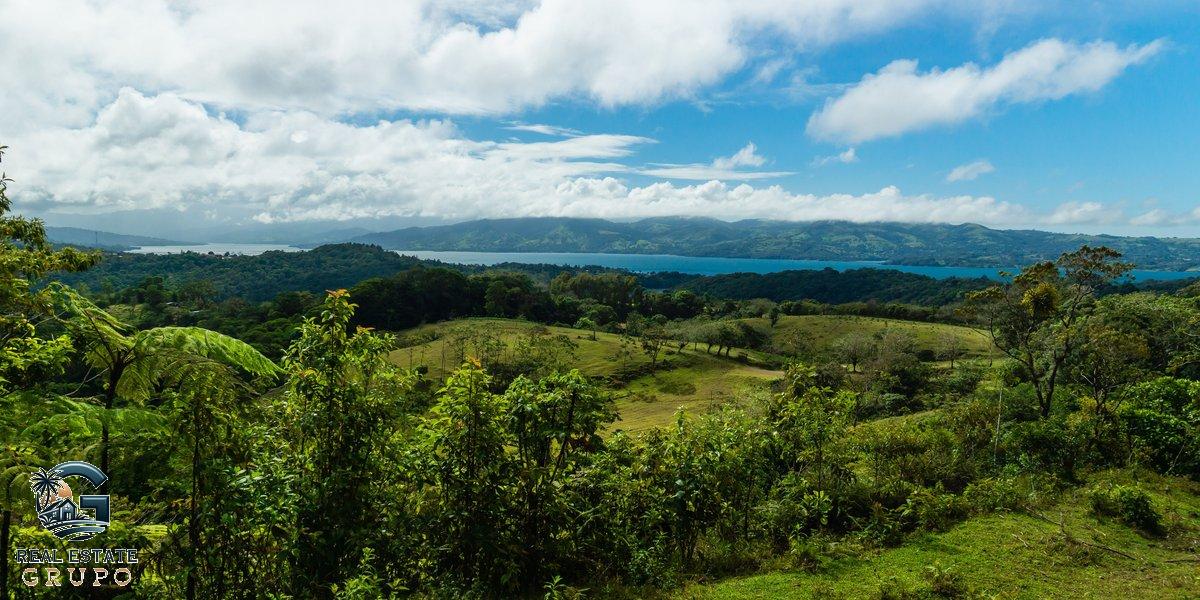
Think of it as the land’s job description. Each parcel in Costa Rica carries a classification that determines whether you can build a single-family home, operate a hotel, run a restaurant, develop condos, farm the land, or leave it as protected green space. The classification flows from each municipality’s Plan Regulador, the local urban development plan. Not every municipality has a completed Plan Regulador, which creates its own set of complications, but the ones that do are legally binding.
The categories vary by municipality, but common ones include residential, commercial, mixed use, agricultural, tourist, and protected or conservation zones. A parcel on the edge of the Osa Peninsula might sit in a biological corridor with severe building restrictions. A lot in Tamarindo’s town center might be zoned commercial, which sounds great until you realize residential construction there requires a separate conditional approval.
Why does uso de suelo matter so much to foreign buyers?
Here’s the mistake we see most: a buyer from the US or Canada falls in love with a property, puts down a deposit based on the seller’s description of what it’s “suitable for,” and only discovers the zoning mismatch during the closing process. By that point they’re emotionally and sometimes financially committed. The seller wasn’t necessarily lying. They may have used the land a certain way for years without ever formalizing the correct classification. Informal use doesn’t create legal zoning rights.
The consequences are real. Operating a short-term vacation rental in a zone that isn’t approved for tourist or commercial use can expose you to municipal fines. Building structures that don’t comply with the zoning can lead to demolition orders. These aren’t rare edge cases. They happen regularly, especially in fast-growing areas like Manuel Antonio, Nosara, and the Central Valley suburbs around Escazú and Santa Ana.
How do you check the uso de suelo for a specific property in Costa Rica?

The process starts at the local municipality (municipalidad) that covers the property’s canton. You’ll need the property’s finca number (the official registry ID) and ideally the plano catastrado number (the cadastral map reference). With those in hand, your attorney submits a formal written request for the certificado de uso de suelo. Response times vary by municipality. Some respond within days. Others take a few weeks, which is one more reason to start this before you’re racing a closing deadline.
To find the finca number and check for any registered liens or ownership issues at the same time, use Folio’s property check tool. It pulls official data from the Registro Nacional (Costa Rica’s National Registry) for the $29 report, which covers the plano catastrado reference and any recorded liens; the free map shows the finca and maritime-zone status. That’s the foundation you bring to the municipality inquiry.
What are the most common land use zones buyers encounter?
These categories appear across most Costa Rican municipalities, though the exact terminology and subclassifications will differ.
| Zone Type | Typical Allowed Uses | Common Buyer Pitfall |
|---|---|---|
| Residential (Residencial) | Single-family homes, low-density housing | Short-term rentals may require separate tourism permit |
| Commercial (Comercial) | Shops, offices, restaurants, hotels | Pure residential construction may need variance |
| Tourist (Turístico) | Hotels, rental cabins, eco-lodges, tour operations | Still subject to SETENA environmental review for new builds |
| Agricultural (Agropecuario) | Farming, livestock, some agri-tourism | Residential or commercial builds often prohibited or heavily restricted |
| Conservation / Protected (Protección) | Forest preservation, wildlife corridors | Almost no construction allowed; sellers sometimes hide this classification |
| Maritime Zone (Zona Marítimo Terrestre) | Concession-based use only within 200m of mean high tide | Can’t be privately owned; title deeds don’t exist here |
What’s the deal with the Maritime Zone and uso de suelo near beaches?
Beach properties are where this gets most complicated, and most expensive to get wrong. Costa Rica’s Maritime Zone Law (Ley de la Zona Marítimo Terrestre) controls the first 200 meters from mean high tide on most of the country’s coastline. The first 50 meters is always public and can never be built on. The next 150 meters is called the restricted zone and can only be used via a municipal concession, not fee-simple title.
The uso de suelo within the maritime zone is governed by the municipality’s coastal management plan (Plan Regulador Costero), and the Instituto Costarricense de Turismo (ICT) plays a role in approving coastal zone plans. If you’re buying near a beach, your uso de suelo check must explicitly confirm whether the parcel sits inside or outside the maritime zone, and if inside, whether a valid concession exists. Verify the property’s maritime-zone status upfront.
Can you change a property’s uso de suelo in Costa Rica?
Yes, but it’s not quick and it’s not guaranteed. Changing the land-use classification requires filing a formal request with the municipality, and in many cases the municipality won’t grant it if the change conflicts with the existing Plan Regulador. If the Plan Regulador itself needs amending, that’s a much longer public process involving community consultation. For a buyer looking to build in the next year or two, banking on a zoning change is a risky strategy.
There are areas where mixed-use classifications give you some flexibility, and certain tourist-zone designations allow a blend of residential and commercial activity. But you need those permissions documented before you buy, not as a post-purchase aspiration. Talk to a local attorney and message the REG team about what’s realistic in the specific area you’re targeting.
What other due diligence should accompany your uso de suelo check?
The uso de suelo certificate is one piece of a complete due-diligence picture. Alongside it, you want a clear title search confirming clean ownership and no recorded liens or mortgages, a review of the plano catastrado to confirm the physical boundaries match what’s being sold, and a check of any environmental restrictions through SETENA if new construction is planned. For properties with existing structures, a municipal construction permit review is also important.
Closing costs in Costa Rica are meaningful and vary based on property value and transaction type. Before you finalize your budget, use REG’s free closing cost calculator to get a realistic number. If you’re exploring income potential, the rental ROI calculator helps you stress-test the numbers before committing. And if owner financing is part of the conversation, run those scenarios through the owner financing calculator.
Frequently Asked Questions
What is a certificado de uso de suelo in Costa Rica?
It’s an official certificate issued by the local municipality that states the legal land-use classification for a specific parcel. It confirms what you’re legally permitted to build or operate on that land under current zoning rules. Your attorney requests it using the property’s finca and plano catastrado numbers.
How long does it take to get a uso de suelo certificate?
It varies by municipality. Some offices in well-organized cantons like San José or Heredia turn around requests in a few business days. Others, particularly in rural or coastal cantons with smaller administrative teams, can take two to four weeks. Build this into your due-diligence timeline before signing a purchase option.
Can a seller’s agent tell me the uso de suelo verbally and skip the certificate?
No. A verbal representation, even from a licensed agent, has no legal weight. The only document that matters is the official certificate from the municipality. If an agent or seller is reluctant to support your request for this document, that’s a serious red flag worth paying attention to.
Does uso de suelo affect whether I can run a short-term rental?
Yes, directly. Many residential zones in Costa Rica don’t automatically permit commercial short-term rental activity, especially at scale. Some municipalities require a tourist patent (patente turística) that is only available to properties in appropriately zoned areas. If your plan is to buy and rent on Airbnb or VRBO, confirm the zoning supports that use before you buy.
Are there properties in Costa Rica where no uso de suelo classification exists?
Yes. In municipalities without a finalized Plan Regulador, land-use rules default to national-level regulations, which are more general. This doesn’t mean anything goes. It means you need to work more carefully with a local attorney to determine what’s permissible under national law and any applicable special regulations like those governing the maritime zone or protected areas.
Before you wire a deposit, check the property first. Run a free scan on Folio. Tap the lot to see its finca number, lot area, boundary and maritime-zone flag in seconds. Folio’s $29 report adds the registered owner, liens and the plano, usually within 24 hours. Then message Leo on WhatsApp at +506 8798 6122 when you are ready to move on a deal.
Browse current Costa Rica listings
These are properties we are working with right now. New ones get added often, so check back, or message us for off-market options that never hit the public site.

5 bedrooms / 5 bathrooms
Puntarenas Province, Santa Teresa, Costa Rica
CASA CEDRO | MAL PAIS
Puntarenas Province, Santa Teresa, Costa Rica
CASA MAREA with $400,000 down
Malpais, Puntarenas Province, Costa Rica
San Isidro Cóbano
Puntarenas Province, Santa Teresa, Costa Rica
Beachfront Villa in Playa Mal País
Puntarenas Province, Santa Teresa, Costa Rica
heart of Santa Teresa
Puntarenas Province, Santa Teresa, Costa RicaOn the ground in Costa Rica, helping US and Canadian buyers find and safely close the right property. Questions? Message Leo on WhatsApp at +506 8798 6122.


Join The Discussion