 English
 Español
 Français
 עברית
 Português


A costa rica zoning check is the single most important step you can take before you sign anything, pour a foundation, or even get excited about a piece of land. Zoning in Costa Rica is not one unified system. It lives inside each municipality’s Plan Regulador (master zoning plan), and what is allowed in Guanacaste’s Nicoya Peninsula can be completely different from what Santa Ana or Quepos permits. Buyers from the US and Canada are often surprised to learn that a parcel can look perfectly buildable on the surface yet carry use restrictions that block a vacation rental, a multi-unit project, or even a simple guest house. Getting clarity on this before you commit protects your investment and your timeline.
- Zoning in Costa Rica is set at the municipal level through a Plan Regulador, not a national code, so rules vary sharply by canton.
- The Maritime Zone Law (Zona Marítimo Terrestre) creates a separate, stricter land-use layer for all beachfront property regardless of municipal zoning.
- You can start your due diligence online by running a property check to pull the finca number, plano catastrado, and any registered restrictions before you hire an attorney.
- Environmental use permits from SETENA may be required on top of zoning approval, especially near wetlands, rivers, or protected areas.
What Is a Plan Regulador and Why Does It Control What You Can Build?
A Plan Regulador is the official land-use document that each Costa Rican municipality is supposed to maintain. It maps every parcel into a use category, things like residential low-density, commercial, agricultural, or touristic. If your municipality has a current, approved plan, it is legally binding. If it does not have one yet (some rural cantons are still working on theirs), the default rules from the national INVU building code apply instead.
Here is where buyers get tripped up. A property in Tamarindo may be zoned for high-density tourism, while a parcel two streets away sits in a residential zone that caps height at two stories. The map that matters is the official municipal one, not an agent’s description and not the seller’s word.
How to Do a Costa Rica Zoning Check Step by Step
Step 1: Confirm the Finca Number and Plano Catastrado
Everything starts with the property’s finca number, the official registry ID, and the plano catastrado, the surveyed cadastral map. Without both, you cannot cross-reference zoning records accurately. You can run a property check on Folio to pull this data straight from the Registro Nacional before you spend on legal fees. The free map shows the boundary in a few minutes, and the $29 report shows registered ownership and liens in plain language.
Step 2: Visit or Contact the Municipal Planning Office
Once you have the finca and plano numbers, you or your attorney can go to the Municipalidad (local municipality) and request a Certificado de Uso de Suelo. That is literally a “land use certificate.” It is the official document that states what the land is zoned for and what uses are permitted. This is not optional. It is the document a notary and a bank will ask to see before any construction permit is issued.
Response times vary. Some municipalities in the Central Valley, like Escazú or Curridabat, have online portals that move quickly. Remote cantons in the Southern Zone or the Caribbean coast may take several weeks. Build that into your due-diligence timeline.
Step 3: Check the Maritime Zone Status for Beachfront Land
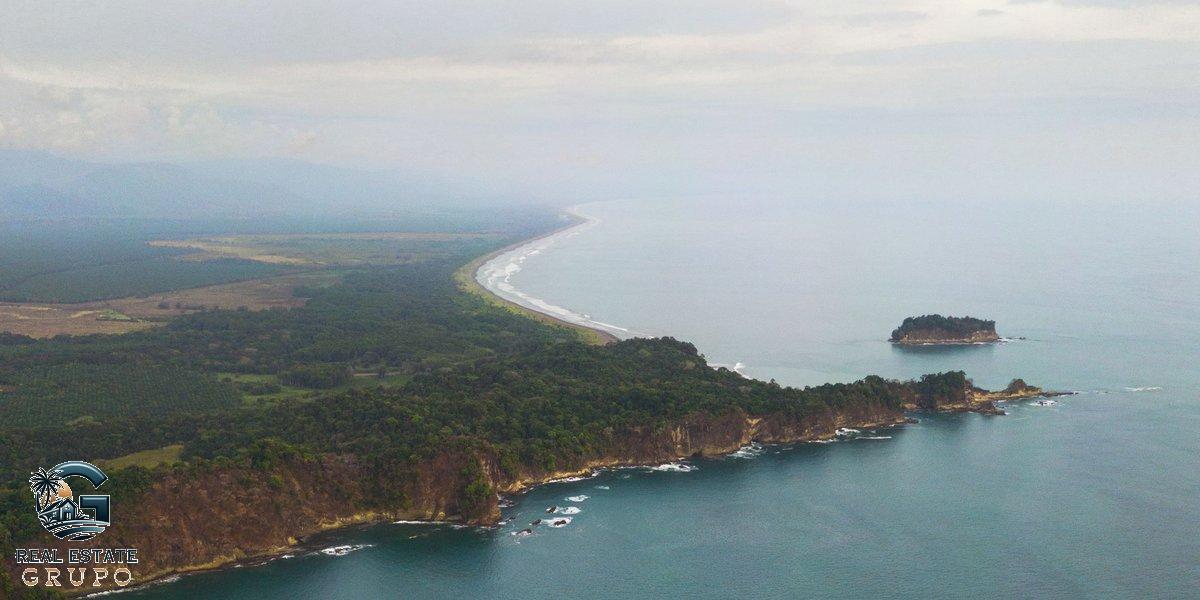
If the property is near the coast, you have a completely separate legal layer to deal with. The Maritime Zone Law (Ley de la Zona Marítimo Terrestre) reserves the first 200 meters from the high-tide line as public domain. The first 50 meters are a public zone nobody can own. The next 150 meters are a restricted zone where you can only hold a concesión (a government-granted concession), not a fee-simple titled deed. Many buyers from the US misread this as ownership. It is not. A concession can be revoked.
Step 4: Understand the Environmental Layer with SETENA
Zoning approval does not automatically mean you can build. If the parcel is near a river, wetland, forest reserve, or protected area, you may need a viabilidad ambiental (environmental viability permit) from SETENA, Costa Rica’s environmental impact agency. This review can add significant time to a project and, in some cases, will limit what you can build or require mitigation measures. Do not assume a Plan Regulador zoning approval clears the environmental hurdle automatically.
Step 5: Verify Setbacks, Height Limits, and Floor-Area Ratios
Even inside a permitted zone, your design may be constrained. Municipal plans set minimum setbacks from property lines, maximum building height, and sometimes a floor-area ratio that caps total built square meters relative to lot size. A touristic zone in Manuel Antonio, for example, may allow commercial use but impose strict height limits to protect ocean views and forest canopy.
Get those specific numbers in writing from the municipality before you commission architectural plans. Changing a design after permits are in progress is expensive and slow.
Titled Land vs. Concession Land: What the Difference Means for Zoning

This distinction matters more than almost any other factor in coastal Costa Rica.
| Feature | Titled Property (Fee Simple) | Concession Property (Maritime Zone) |
|---|---|---|
| Ownership | Full private ownership recorded at Registro Nacional | Government-granted use right, not ownership |
| Zoning Authority | Municipality via Plan Regulador | Municipality plus ICT (tourism institute) for beachfront |
| Financing | Eligible for most local and international mortgages | Very difficult to finance; most lenders decline |
| Revocability | Cannot be revoked by the government without expropriation | Can be revoked for non-payment or violations |
| Use Restrictions | Set by municipal zoning map | Set by concession terms, municipal plan, and ICT rules |
The Mistakes We See Most Often With Zoning in Costa Rica
The most common mistake is buying first and checking zoning second. Buyers get emotionally attached to a property, wire a deposit to hold it, and then discover the land is zoned agricultural with no path to a short-term rental permit, or that the frontage sits inside a river buffer zone. Both situations mean you cannot build what you planned, and the deposit is often non-refundable.
The second mistake is relying on what the seller or the seller’s agent says the zoning allows. Those people have an interest in closing the deal. The municipal planning office has no such interest. Always get the Certificado de Uso de Suelo from the municipality directly, or have your attorney do it.
A third mistake we see with investors is underestimating how zoning affects rental income projections. A parcel zoned residential single-family may not legally support a multi-unit vacation rental operation. That changes everything for ROI math. If you are buying for rental income, use our rental ROI calculator alongside a confirmed zoning certificate so your numbers reflect what the law actually permits on that specific parcel.
What Happens If You Build Without Checking Zoning First?
Unpermitted construction in Costa Rica is a real problem, and it creates legal exposure that follows the property, not just the original builder. If you buy a property that has unpermitted structures, you inherit the liability. MINAE (the environment ministry) and SETENA have authority to order demolition of structures built inside protected zones or without environmental approval. Municipal governments can issue stop-work orders and fines for zoning violations.
Title insurance is not standard in Costa Rica the way it is in the US. That means your attorney’s due diligence and your own verification, through tools like Folio and the municipal office, are your primary protection. There is no backstop policy to bail you out if you skip those steps.
Browse land and development opportunities across the country on our properties page and use the zoning checklist in this guide before you shortlist anything seriously.
Frequently Asked Questions
Can a foreigner check Costa Rica zoning records directly?
Yes. Foreigners have the same property rights as Costa Rican citizens, and there is no restriction on accessing public registry information or requesting a Certificado de Uso de Suelo from a municipality. You can start with a Folio report to pull registry data in English, then follow up with the municipal planning office for the official use certificate.
How long does it take to get a Certificado de Uso de Suelo?
It depends on the municipality. In larger urban cantons with active planning departments, it can take a few business days to a couple of weeks. In smaller or rural municipalities, the process can stretch to a month or more. Your attorney can typically request this on your behalf while you are still outside Costa Rica.
Does agricultural zoning mean I can never build on the land?
Not necessarily. Agricultural zoning usually permits a farm residence or a caretaker home. However, it typically prohibits subdivision into small lots, commercial tourism facilities, or multi-unit developments. If you want to change the zoning designation, that requires a formal rezoning petition to the municipality, which is a long and uncertain process.
What is the Maritime Zone and does it apply to all beach property?
The Maritime Zone applies to virtually all coastal land in Costa Rica. The first 50 meters from the high-tide line are a public zone where no private use or construction is permitted. The next 150 meters are the restricted zone, which can only be held under a government concession. Some older titled properties exist close to beaches due to historical registrations, but these cases require careful verification.
Is a zoning certificate the same as a construction permit?
No. A Certificado de Uso de Suelo confirms what uses the land is zoned for. A construction permit (permiso de construcción) is a separate approval issued by the municipality once architectural plans, engineering specs, and any required environmental clearances are submitted and reviewed. The zoning certificate is usually a prerequisite for starting the permit application, but getting one does not automatically give you permission to build.
Before you wire a deposit, check the property first. Run a free scan on Folio. Tap the lot to see its finca number, lot area, boundary and maritime-zone flag in seconds. Folio’s $29 report adds the registered owner, liens and the plano, usually within 24 hours. Then message Leo on WhatsApp at +506 8798 6122 when you are ready to move on a deal.
Browse current Costa Rica listings
These are properties we are working with right now. New ones get added often, so check back, or message us for off-market options that never hit the public site.

5 bedrooms / 5 bathrooms
Puntarenas Province, Santa Teresa, Costa Rica
CASA CEDRO | MAL PAIS
Puntarenas Province, Santa Teresa, Costa Rica
CASA MAREA with $400,000 down
Malpais, Puntarenas Province, Costa Rica
San Isidro Cóbano
Puntarenas Province, Santa Teresa, Costa Rica
Beachfront Villa in Playa Mal País
Puntarenas Province, Santa Teresa, Costa Rica
heart of Santa Teresa
Puntarenas Province, Santa Teresa, Costa RicaOn the ground in Costa Rica, helping US and Canadian buyers find and safely close the right property. Questions? Message Leo on WhatsApp at +506 8798 6122.


Join The Discussion