 English
 Español
 Français
 עברית
 Português


For anyone moving to Costa Rica, the rent or buy question is the first real decision you’ll face, and getting it wrong is expensive. The short answer most buyers don’t want to hear: rent first, in almost every case. Costa Rica rewards patience. The country’s microclimates, traffic patterns, expat community density, and neighborhood personalities vary so dramatically from one valley to the next that what looks perfect on a map can feel completely wrong after three months of living it. Renting gives you that test drive without locking six or seven figures into a decision made from a vacation mindset. There are exceptions, and we’ll cover them. But the default recommendation from anyone who has helped hundreds of North Americans relocate here is: live before you buy.
- Renting for at least six to twelve months before buying is the standard advice for first-time movers to Costa Rica, not just a conservative opinion.
- Foreigners have the same property ownership rights as Costa Ricans for titled land, but maritime zone and concession properties follow entirely different rules.
- Always verify a property’s title, liens, and boundary data before signing anything. Use Folio’s $29 report to get a human-reviewed check on ownership, encumbrances, and the plano catastrado.
- The right move depends on your visa status, tax situation, and how certain you are about the specific area. A local agent who knows the numbers changes the outcome.
Why renting first makes sense when moving to Costa Rica
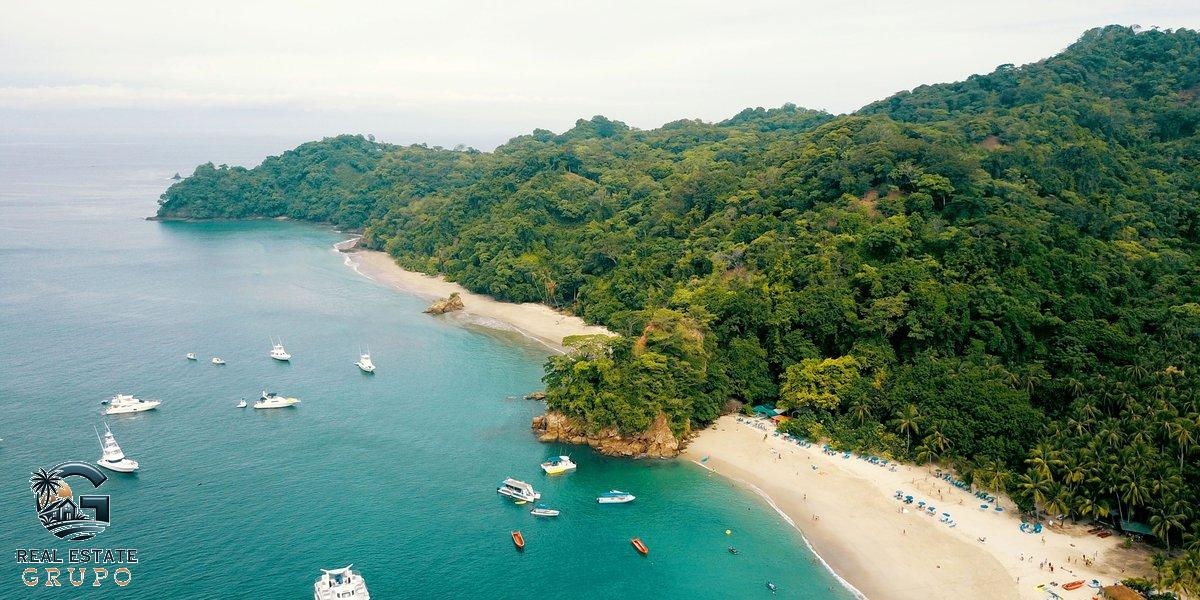
The biggest mistake we see is the buyer who falls in love with Manuel Antonio on a two-week scouting trip in January, signs a purchase offer, and by the following August realizes they hate driving that road every time they need a hospital or a hardware store. January in Manuel Antonio is not Manuel Antonio in September. Humidity, road conditions, isolation, and the local social scene shift completely with the season.
Renting locks in nothing. You can try Escazú for four months, decide the traffic on the Próspero Fernández is unbearable, move to Santa Ana, decide you actually want ocean air, and end up in Nosara or Tamarindo. That process typically takes a year. It saves you from a property you’ll resent or struggle to resell.
Costa Rica’s rental market for furnished homes aimed at expats is active in most desirable areas. Rents vary widely by location and property type, so you’ll get a real feel for what your budget actually buys before committing to a purchase price. Spending that time also teaches you which neighborhoods flood in rainy season, where the good doctors practice, and whether the local expat community matches your lifestyle.
When does it make sense to buy immediately when moving to Costa Rica?
Buying right away makes sense in a narrower set of circumstances than most arriving buyers think. If you’ve visited the same specific area repeatedly over two or more years across different seasons, you know it. That’s not a vacation; that’s research. A buyer who has rented the same house in Atenas four times over three years, knows the local shops, has a dentist, and has friends in the community is a very different risk profile than someone arriving fresh.
It also makes sense if you’re buying purely as an investment property with a property manager in place and you’re not banking on living there. Rental-income investors in areas like Guanacaste’s Gold Coast or the Central Valley sometimes benefit from locking in a property before prices move. That’s a business decision with different math than a lifestyle relocation. You can run the numbers on projected returns using REG’s rental ROI calculator before committing to anything.
Retirees on a fixed timeline, arriving with a residency application already in progress and a defined budget, sometimes prefer to buy because they’ve done the groundwork. Even then, a short-term furnished rental in your target area while the purchase closes is rarely wasted money.
What are the actual costs of buying vs renting in Costa Rica?
Buying in Costa Rica comes with closing costs that surprise most North Americans. Transfer taxes, stamp duties, notary fees, and legal costs typically add up to several percent of the purchase price. These costs are split differently than in the US or Canada, and they’re non-negotiable parts of the process. Use REG’s free closing cost calculator to get a realistic number before you make an offer.
Renting has no entry cost beyond a deposit, typically one to two months’ rent, and first month’s payment. There’s no property tax liability, no HOA obligation in most cases, and no repair surprise on a septic system or roof in rainy season. For someone still orienting themselves, that simplicity has real financial value.
| Factor | Renting | Buying |
|---|---|---|
| Upfront cost | Low (deposit + first month) | High (down payment + closing costs) |
| Flexibility to relocate | High (most leases are one year) | Low (resale takes time) |
| Build equity | No | Yes, over time |
| Maintenance responsibility | Landlord’s problem | Yours entirely |
| Property tax | Not your liability | Annual obligation to Hacienda |
| Title/legal due diligence needed | Minimal | Extensive |
How does property ownership actually work for foreigners in Costa Rica?
Foreigners own titled property in Costa Rica under the same legal framework as citizens. You don’t need residency. You don’t need a local partner. A titled fee-simple property registered at the Registro Nacional can be owned outright in your name or through a Costa Rican corporation (sociedad anónima). That’s a genuine strength of Costa Rican property law and one reason North Americans have been buying here for decades.
The exception is the maritime zone, known as the zona marítimo terrestre. Any land within 200 meters of the high-tide line on ocean-facing coasts falls under a government-controlled concession system, not private titled ownership. Concession land is leased from the government, not owned. The rules around concessions, renewals, and which concessions are actually transferable are complex enough that a mistake here can cost you everything. If a property is near the beach, you need to know which zone it sits in before you get emotionally attached to it.
For concession properties specifically, investment math changes and so does due diligence. The $29 Folio report covers maritime zone status, registered ownership, liens, and the plano catastrado for any property. That’s not optional research; it’s the starting point.
What should you check before buying property in Costa Rica?
The most common title problems in Costa Rica involve liens (gravámenes) that haven’t been disclosed, boundary disputes between neighbors, and properties where the physical land and the registered plano catastrado don’t match. All of these show up in a proper title search. None of them show up on a listing description or a virtual tour.
Start your due diligence by running a property check through Folio. The free Folio map shows you the finca number, lot area, and boundaries in seconds, which is useful even at the “should I tour this?” stage. When you’re serious about a property, order the $29 Folio report, which includes a human-reviewed check of the registered owner, any liens or encumbrances, mortgages, annotations, and the plano catastrado, all delivered within 24 hours. That report is what your attorney will use as a starting point, but having it yourself before you negotiate is an advantage.
Does Costa Rica owner financing change the rent-or-buy calculation?
Yes, it can. Owner financing (seller financing) is genuinely common in Costa Rica, especially at higher price points and in areas where local bank lending to foreigners is limited. A motivated seller offering owner financing at a reasonable interest rate changes the cash-flow math for buyers who can’t get a conventional mortgage. If you’re considering this route, model the actual payment using REG’s owner financing calculator before you start negotiating terms.
Owner financing doesn’t eliminate the need for title verification. It makes it more important. The property still needs a clean title search, because you’ll be making payments for years on an asset that should have no hidden encumbrances. Confirm everything is clean first, then structure the deal.
Which areas in Costa Rica are best for first-time buyers?
The Central Valley, particularly Escazú, Santa Ana, Atenas, and Grecia, tends to work well for buyers prioritizing infrastructure, healthcare access, and year-round mild weather. These areas have established expat communities, good road access, and a wide range of property types at various price points. They’re also where you’re most likely to find furnished rentals that let you test-drive life there before committing.
Guanacaste’s Gold Coast corridor, running from Tamarindo through Conchal and Flamingo up to the Papagayo Peninsula, attracts buyers who want beach lifestyle with developed infrastructure. It’s a different cost profile from the Central Valley, and rainy season is a bigger lifestyle factor. The southern zone around Uvita and Dominical is popular for its scenery and lower prices but demands more tolerance for remoteness and road conditions.
Browse current inventory across all these regions at REG’s full property listings to get a realistic feel for what’s on the market before you narrow your focus area.
Frequently Asked Questions
How long should I rent before buying in Costa Rica?
Most experienced expat advisors and real estate agents in Costa Rica recommend at least six months, and ideally a full year. A full year means you experience rainy season (May through November) and dry season in the same area, which completely changes road conditions, social activity, and your day-to-day quality of life depending on the zone. Six months in the wrong season can give you a misleading picture.
Can I get a mortgage in Costa Rica as a foreigner?
Local bank mortgages for foreign residents without Costa Rican income are difficult to obtain through traditional channels. Some banks will lend to legal residents with documented local income. Many buyers use home equity from a US or Canadian property, cash, or negotiate seller/owner financing directly with the property owner. Owner financing is more common here than in North America, so it’s worth exploring for the right property.
Do I need a residency visa to buy property in Costa Rica?
No. You do not need residency to buy titled property in Costa Rica. You can purchase as a tourist with your passport. Many buyers complete a purchase before ever applying for residency. That said, owning property does not automatically grant you residency, and the two processes are entirely separate legal tracks.
What is a finca number and why does it matter?
A finca number is Costa Rica’s property registry identifier. Every titled parcel has one, registered with the Registro Nacional. It’s the number used to pull the full legal history of a property: ownership chain, mortgages, liens, easements, and annotations. Without the finca number, you can’t verify what you’re actually buying. You can find a property’s finca number using Folio’s free map in seconds, before you commit to anything further.
Is it safe to buy property near the beach in Costa Rica?
Titled properties set back from the coast follow normal ownership rules and are generally straightforward. The risk area is anything within 200 meters of the high-tide line, which falls under the maritime zone law. Concession properties in this zone can be legitimate and transferable, but due diligence is critical. You need to confirm concession status, municipality approval history, and maritime zone position. The $29 Folio report includes maritime zone position as part of its human-reviewed check, making it a practical first step for any coastal property.
Want a straight answer from a local team? Message Leo on WhatsApp at +506 8798 6122.
Browse current Costa Rica listings
These are properties we are working with right now. New ones get added often, so check back, or message us for off-market options that never hit the public site.

5 bedrooms / 5 bathrooms
Puntarenas Province, Santa Teresa, Costa Rica
CASA CEDRO | MAL PAIS
Puntarenas Province, Santa Teresa, Costa Rica
CASA MAREA with $400,000 down
Malpais, Puntarenas Province, Costa Rica
San Isidro Cóbano
Puntarenas Province, Santa Teresa, Costa Rica
Beachfront Villa in Playa Mal País
Puntarenas Province, Santa Teresa, Costa Rica
heart of Santa Teresa
Puntarenas Province, Santa Teresa, Costa RicaOn the ground in Costa Rica, helping US and Canadian buyers find and safely close the right property. Questions? Message Leo on WhatsApp at +506 8798 6122.


Join The Discussion