 English
 Español
 Français
 עברית
 Português


Costa rica property legal access is one of the most overlooked due-diligence steps for foreign buyers, and skipping it is the mistake we see most often at Real Estate Grupo. You can hold a clean title to a parcel and still find yourself legally landlocked, blocked by a neighbor, or dependent on a private right-of-way that was never properly recorded. Costa Rica’s terrain, its mix of titled land, concession land, and unmapped rural lots, makes access verification a separate task from title verification. You need to confirm both. This guide walks you through exactly what to look for, what questions to ask, and when to bring in a local attorney, so you don’t wire a deposit on a property you can’t legally reach.
- Legal access in Costa Rica is not automatic. A property can have a registered title and still be landlocked.
- Always confirm whether road access is public, a recorded easement (servidumbre), or an informal agreement that has no legal standing.
- The plano catastrado (cadastral survey map) and the Registro Nacional records are your two primary sources for access verification.
- Maritime-zone properties near the beach face additional access rules under the Zona Marítimo Terrestre law, and those must be checked separately.
What does “legal access” actually mean for a Costa Rica property?

Legal access means there is a documented, enforceable right for you to reach your property from a public road. That right has to exist in writing, and ideally it has to be recorded at the Registro Nacional, Costa Rica’s national property registry. If it isn’t recorded, it isn’t protected, regardless of what the seller tells you.
There are three common access situations you’ll run into. First, the property fronts a public road maintained by the government, which is the cleanest scenario. Second, the property is accessed through a recorded private easement called a servidumbre de paso, a right-of-way that crosses someone else’s land. Third, the property relies on a handshake arrangement with a neighbor, a dirt track, or a road that exists on the ground but nowhere in the legal record. The third situation is where buyers get burned.
How do I find out if a Costa Rica property has a recorded easement?
Start with the finca number. Every titled property in Costa Rica has a unique finca identifier in the Registro Nacional. You or your attorney can search that finca to see whether any servidumbre de paso is noted as an encumbrance or as a right attached to the property. A property that benefits from an easement over a neighbor’s land should show that easement listed in its finca entry.
The plano catastrado, the official cadastral map drawn by a licensed topographer, should also show access. If the plano shows the parcel as an island with no road frontage and no noted easement, that’s a red flag you act on immediately. You can run a property check through Folio to pull both the finca record and the cadastral survey together in one place, which makes it much faster to spot the problem before you spend money on an offer.
What is a servidumbre de paso and how is it enforced?
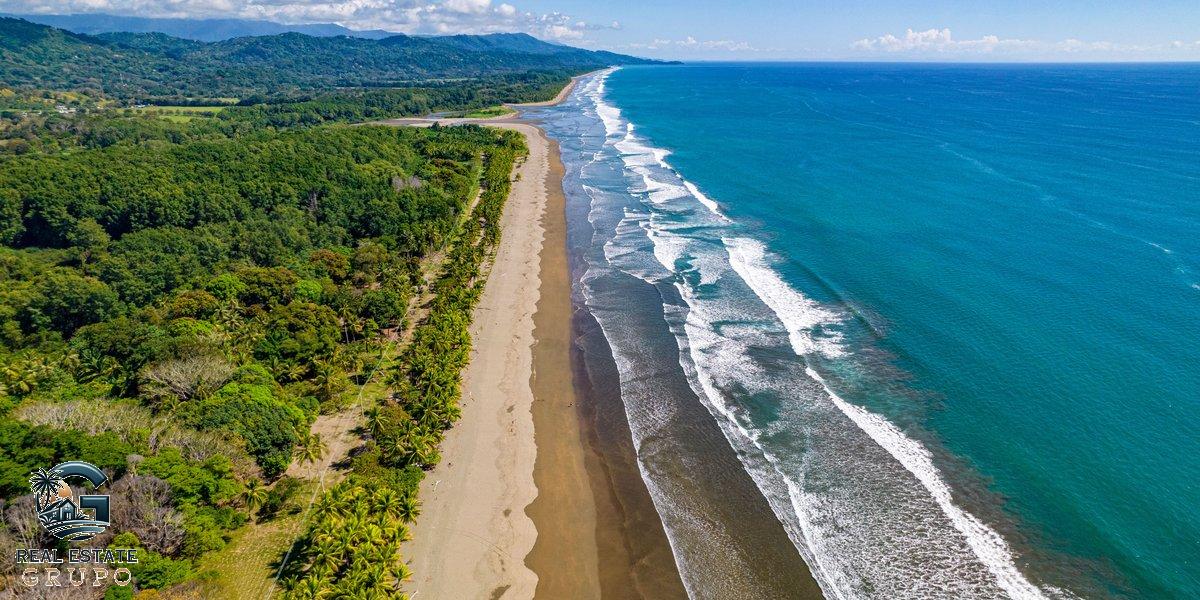
A servidumbre de paso is a legal right-of-way. In simple terms, it’s a recorded agreement that lets the owner of one property cross another person’s land to reach a road. For it to be enforceable, it must be registered at the Registro Nacional, not just signed by two parties and kept in a drawer.
When a servidumbre is properly registered, it runs with the land. That means it stays in place even when the neighboring property changes hands. An unregistered one doesn’t. If the friendly neighbor who let the previous owner drive through their lot sells to someone less cooperative, you could lose your only access overnight with no legal recourse.
| Access Type | Legally Protected? | Shows in Registry? | Risk Level |
|---|---|---|---|
| Public road frontage | Yes | Visible on plano | Low |
| Registered servidumbre de paso | Yes | Yes, in finca record | Low to Medium |
| Unregistered private agreement | No | No | High |
| Informal track or neighbor tolerance | No | No | Very High |
Does costa rica property legal access work differently for beach and maritime-zone land?
Yes, significantly. Properties inside or adjacent to the Zona Marítimo Terrestre (ZMT), the maritime zone that covers most of Costa Rica’s coastline, operate under a separate legal framework. The ZMT extends 200 meters inland from the mean high-tide line. The first 50 meters are fully public and cannot be owned or built on. The next 150 meters are typically managed through concessions granted by local municipalities.
Access to a ZMT concession property is not just about road access. The municipality also controls whether and how you can enter certain areas, and the concession itself may have conditions attached. You’ll want to verify the property’s maritime-zone status before any offer, because concession properties that lack proper municipal approval have no legal standing to transfer. The Instituto Costarricense de Turismo (ICT) oversees tourism-related aspects of coastal development and is a useful reference for understanding zone classifications.
What physical checks should I do on the ground?
Walk the access road yourself. Don’t just accept a Google Maps view or the seller’s description. Drive the full route from the nearest confirmed public road to the property boundary, and note whether you’re crossing anyone else’s land at any point.
Ask specifically about rainy season conditions. A road that looks passable in March can become impassable mud from May through November in areas like the South Pacific or the Caribbean slope. Physical access during wet season matters as much as legal access on paper, especially if you plan to rent the property or build on it.
Check for gates, fences, or any physical barriers on the access route that belong to third parties. A locked gate across your only route in is a practical problem even if a servidumbre is registered, because the dimensions, location, and permitted use of the easement may still be in dispute.
How do I use an attorney for access verification in Costa Rica?
A Costa Rican attorney (notario público, a notary public who is also a licensed attorney) will run a study of title that covers the finca number, any liens or encumbrances, ownership chain, and recorded easements. This is standard practice and should happen before you sign any purchase agreement (option to purchase, or promesa de compraventa).
Make sure your attorney specifically checks for registered easements in both directions: easements that burden your property, meaning someone else has a right to cross it, and easements that benefit your property, meaning you have a right to cross someone else’s. Both affect value and use.
Your attorney can also confirm the property’s access situation with the relevant municipality if the land falls under any special zoning, coastal regulation, or environmental restriction. Properties near protected areas may have access limitations tied to environmental permits from SETENA, Costa Rica’s environmental technical secretariat.
What about properties accessed by river, boat, or unpaved jungle road?
They exist in Costa Rica, particularly in the Osa Peninsula, along the Caribbean coast, and in parts of the Northern Zone near the Nicaraguan border. These are not automatically illegal or problematic, but they require extra scrutiny. If physical access depends on a river crossing or a boat, confirm that water route isn’t privately controlled and that there’s a dry-season alternative.
Properties in truly remote areas may also have value tied to tourism or eco-lodge potential. If that’s part of your investment thesis, browse listings to get a feel for how remote properties are priced and described across Costa Rica. Our listings on Real Estate Grupo include coastal, mountain, and rural parcels where access situations vary widely, and the listing notes will flag when access is non-standard.
How do closing costs and ownership structure relate to access rights?
When you close on a Costa Rica property, the closing deed (escritura pública) is prepared by the notario público and registered at the Registro Nacional. Any easements that benefit your property should be referenced in the deed, which then becomes part of the public record. If they’re not in the deed, they’re not enforceable by the next buyer.
Ownership structure also matters. Properties held in a sociedad anónima (S.A., a Costa Rican corporation) transfer via a share transfer rather than a new deed. In those cases, access easements tied to the property record remain valid, but you need to confirm the shares transfer correctly and that the corporation hasn’t taken on liabilities that could affect access disputes. Use our closing cost calculator to estimate the transactional costs before you commit, and talk to your attorney about whether a share transfer or asset purchase better protects you.
Frequently Asked Questions
Can a property in Costa Rica have a clean title but no legal road access?
Yes. Title and access are separate legal questions. A property can be fully registered at the Registro Nacional with a clear chain of ownership and no liens, and still have no recorded right to reach it from a public road. Always check access independently from the title study.
What happens if I buy a landlocked property in Costa Rica?
You may be able to establish a legal easement through negotiation with neighboring landowners, or in some cases through a court process. The Poder Judicial (judicial branch) handles disputes over access rights, but litigation in Costa Rica can take years and significant legal fees. It’s far better to identify the problem before purchase.
How long does it take to verify access rights before closing?
A standard title study by a Costa Rican attorney typically takes one to three weeks, depending on the complexity of the property and how quickly registry records can be accessed. If access relies on a servidumbre that needs to be created or formalized, budget additional time before closing.
Does the plano catastrado always show road access?
It should show the boundary of the property and any noted easements or road frontage. However, older planos may be incomplete or show conditions that no longer match the current physical reality. A topographic update by a licensed ingeniéro topógrafo (surveying engineer) can clarify the current situation, particularly for rural or coastal parcels.
Can I check a Costa Rica property’s access status online myself?
You can start online. The Registro Nacional’s digital portal lets you search by finca number, and you can use Folio’s free map for the finca and maritime-zone flag, and its $29 report for the plano catastrado reference and lien flags. That’s a smart first step before engaging an attorney, and it can surface problems early in the process at little cost.
Before you wire a deposit, check the property first. Run a free scan on Folio. Tap the lot to see its finca number, lot area, boundary and maritime-zone flag in seconds. Folio’s $29 report adds the registered owner, liens and the plano, usually within 24 hours. Then message Leo on WhatsApp at +506 8798 6122 when you are ready to move on a deal.
Browse current Costa Rica listings
These are properties we are working with right now. New ones get added often, so check back, or message us for off-market options that never hit the public site.

5 bedrooms / 5 bathrooms
Puntarenas Province, Santa Teresa, Costa Rica
CASA CEDRO | MAL PAIS
Puntarenas Province, Santa Teresa, Costa Rica
CASA MAREA with $400,000 down
Malpais, Puntarenas Province, Costa Rica
San Isidro Cóbano
Puntarenas Province, Santa Teresa, Costa Rica
Beachfront Villa in Playa Mal País
Puntarenas Province, Santa Teresa, Costa Rica
heart of Santa Teresa
Puntarenas Province, Santa Teresa, Costa RicaOn the ground in Costa Rica, helping US and Canadian buyers find and safely close the right property. Questions? Message Leo on WhatsApp at +506 8798 6122.


Join The Discussion