 English
 Español
 Français
 עברית
 Português


To check property in Tamarindo, Costa Rica, you need to verify four things: the finca number (the property’s registry ID), the plano catastrado (survey map), any liens or encumbrances registered against it, and whether the land sits inside the Zona Marítimo Terrestre (ZMT), the coastal maritime zone that changes everything about ownership rights. Tamarindo sits on Guanacaste’s Pacific coast, and a surprising share of its most attractive beachfront lots are ZMT concession land, not privately titled land. Miss that distinction and you could pay private-title prices for a property you can never actually own outright. Doing a proper property check tamarindo style means going to the source: Costa Rica’s official Registro Nacional, or running a fast report through a tool built on that same data.
- Every Tamarindo property has a finca number. Get it first, before anything else.
- Beachfront and near-beach lots may be ZMT concession land, not fee-simple titled property.
- Liens, easements, and restrictions show up in the Registro Nacional and can stop a closing cold.
- You can run a property check on official registry data before you ever talk to a seller.
Why checking property in Tamarindo is different from the rest of Costa Rica
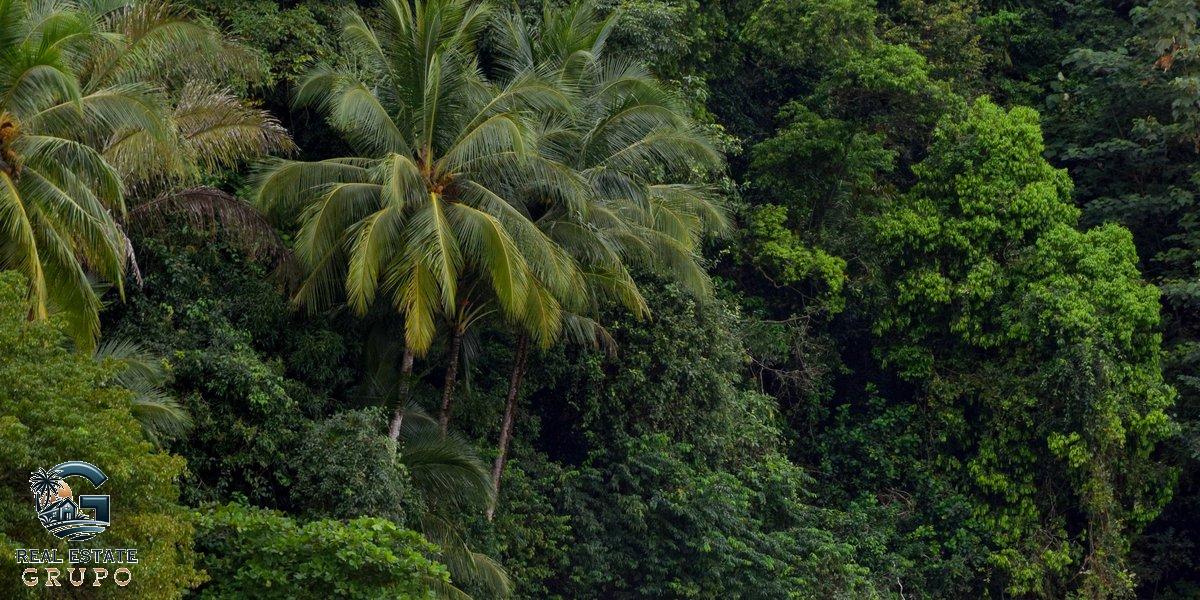
Most of Tamarindo’s appeal is tied directly to the water. The beach, the estuary, the surf breaks. That proximity is also the reason property due diligence here has an extra layer that inland buyers don’t face. Costa Rica’s Maritime Zone Law reserves the first 200 meters from the high-tide line as public or concession land. The first 50 meters are fully public and cannot be owned by anyone. The next 150 meters are concession territory, controlled and leased out by the local municipality, which in Tamarindo’s case is the Municipality of Santa Cruz.
A concession is not ownership. It’s a right to use and develop the land for a set term, which the municipality can renew, modify, or revoke under certain conditions. Foreigners who haven’t held legal residency for at least five years cannot even hold a concession in their own name, a rule that catches a lot of US and Canadian buyers off guard. So the first question when you check property in Tamarindo isn’t just “does this person own it?” It’s “what exactly is the legal instrument behind this property?”
How do I find the finca number for a Tamarindo property?
The finca is the Registro Nacional’s file for a specific piece of land. Every titled property in Costa Rica has one. Ask the seller or their agent for it. If they hesitate, that’s a signal. You can also ask your attorney to pull it from an address or GPS coordinates, though the cleanest path is to get the finca number directly from the seller and then verify it yourself.
Once you have it, you can search the Registro Nacional’s online platform or use a service like Folio’s property check tool, which pulls the same official data and presents it in English in a format that actually makes sense to a North American buyer. With Folio’s $29 report you’ll see the registered owner, the date of last transfer, any mortgages, liens, or annotations, and the associated plano catastrado number.
What is the plano catastrado and why does it matter?
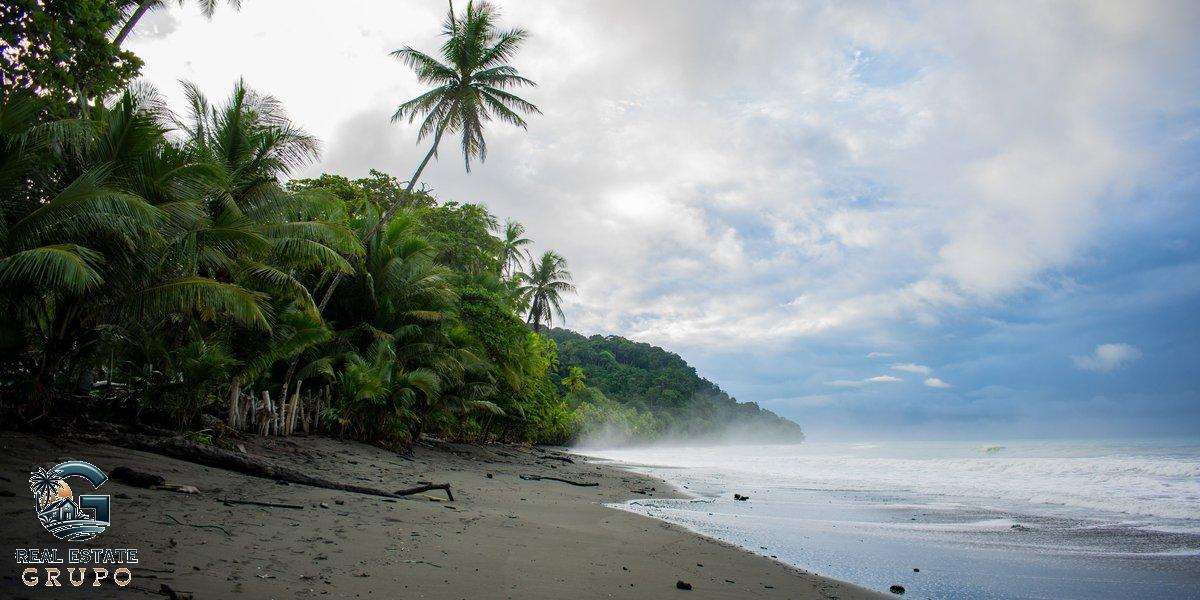
The plano catastrado is the official survey map for the property, filed with the Catastro Nacional (the national cadastre). It shows the exact boundaries, dimensions, and area of the parcel. In Tamarindo, where lots were carved out of larger parcels over many years, and where some surveying was done before GPS was standard, boundary accuracy is a real issue. Your attorney will compare the plano to the physical reality on the ground.
A few things to watch for in Tamarindo specifically. If the plano shows the property running very close to the estuary or the beach, you need to confirm the exact ZMT boundary at that location. The high-tide line shifts over time, and so does the 50-meter and 200-meter demarcation. Also check whether the plano is current or decades old. An outdated plano that hasn’t been updated after neighboring developments changed drainage patterns can mean fencing disputes, shared-access arguments, or worse.
How do I check for liens, mortgages, and encumbrances in Tamarindo?
Liens in Costa Rica are registered against the finca, not the person. So they transfer with the property unless they’re discharged before or at closing. The most common ones you’ll find in Tamarindo are seller-held mortgages (hipotecas), developer construction loans that weren’t fully released, and occasionally annotations (anotaciones) from unresolved legal disputes.
A clean finca will show zero annotations and zero registered encumbrances. If you see a hipoteca, your attorney needs to confirm it will be paid off at closing and formally discharged in the Registro Nacional before or simultaneously with the transfer to you. Don’t let a seller tell you they’ll “handle it after.” That’s how buyers inherit someone else’s debt.
| Item to Check | Where It Appears | What a Problem Looks Like |
|---|---|---|
| Ownership / Title | Registro Nacional finca | Seller name doesn’t match registry owner |
| Liens / Mortgages | Registro Nacional finca | Active hipoteca or annotation |
| Boundaries / Survey | Catastro Nacional plano | Plano outdated or doesn’t match physical lot |
| Maritime Zone Status | Municipality of Santa Cruz / ICT | Land is ZMT concession sold as titled fee-simple |
| Environmental Permits | SETENA | Development happened without environmental approval |
What does maritime zone status mean for Tamarindo property buyers?
This is the single biggest due diligence issue in Tamarindo. Under Costa Rica’s Maritime Zone Law (Ley 6043), the 200-meter coastal strip is divided into the public zone and the restricted zone. The restricted zone (meters 50 to 200) can be developed under a concession granted by the local municipality, but ownership of the land itself stays with the state. The Municipality of Santa Cruz administers concessions in Tamarindo, and the Costa Rica Tourism Institute (ICT) must approve the coastal development plan (plan regulador costero) before concessions in any zone are valid.
Some Tamarindo properties that look like titled land actually sit partially in the ZMT. The seller may genuinely not know, or may be hoping you don’t check. Your attorney will order a “certification” from the municipality confirming whether any portion of the lot falls inside the 200-meter zone. If it does, and you’re a foreigner without five-plus years of legal residency, you can’t hold the concession in your own name. You’d need to hold it through a Costa Rican corporation (sociedad anónima), with a qualified Costa Rican co-holder, or reconsider the purchase entirely.
Should I use a real estate attorney or can I check everything myself?
You can and should do your own preliminary check before you go deep into negotiations. Use Folio’s free map to pull the finca data, then its $29 report for a clear first read. That costs you little and tells you, within 24 hours, whether the title looks clean at the registry level, who actually owns the property, and whether there are any registered encumbrances waving a red flag.
But for the full due diligence, you need a Costa Rican attorney (abogado) who works independently of the seller and the seller’s agent. Attorneys here double as notaries (notario público), and the closing deed must be signed before a licensed notary. Your attorney will review the finca, confirm the plano, check municipal permits, verify ZMT status, run the title history back at least ten years, and draft or review the purchase agreement. Budget for their fee as part of your closing cost estimate.
The mistake we see most in Tamarindo? Buyers using the seller’s attorney to save money. That attorney’s loyalty is to the seller. Hire your own.
How do construction permits and environmental approvals affect a Tamarindo property?
If you’re buying a built property in Tamarindo, specifically a house, villa, or commercial unit, your attorney needs to verify that the construction permit (permiso de construcción) was granted and that the build matches what was permitted. Unpermitted construction is common in areas that grew quickly, and it creates serious liability for the buyer because the property tax registry may not reflect the real building, and selling later becomes complicated.
For larger developments or any property near ecologically sensitive areas (and Tamarindo has plenty, between the leatherback turtle nesting zones and the estuary), environmental approval from SETENA is also required. A development that bypassed SETENA can face stop-work orders and fines even years after the fact, and that risk becomes yours the day you take title.
What about buying land in Tamarindo for future development?
Raw land near Tamarindo is still available, though the market has tightened considerably compared to even five years ago. If you’re buying land to build, the due diligence checklist gets longer, not shorter. You’ll need to confirm zoning (uso de suelo) with the municipality, understand the setback requirements from roads, water sources, and the ZMT, and verify utilities access including water concessions (concesión de agua), which in this part of Guanacaste can be genuinely scarce.
Take a look at available Tamarindo area listings to get a sense of what’s on the market and how properties are structured before you approach a seller directly. Understanding current inventory keeps you from overpaying or buying something with hidden complications just because it’s the first deal you found.
If owner financing is part of the conversation, run the numbers through the owner financing calculator before you commit to any terms. Seller-financed deals in Costa Rica can be structured very differently from North American mortgages, and a quick calculation will show you whether the interest rate and balloon structure actually work for your budget.
Frequently Asked Questions
Can a foreigner own property in Tamarindo outright?
Yes, foreigners have the same property rights as Costa Rican citizens for titled (fee-simple) land. You can own a titled property 100% in your own name, or through a Costa Rican corporation. The restriction applies specifically to ZMT concessions, where foreigners must have at least five years of legal residency to hold a concession directly.
How long does a title check take in Tamarindo?
A preliminary check through Folio takes minutes on the free map and up to 24 hours for the $29 registry report. A full attorney-led due diligence process, covering title history, municipal permits, ZMT certification, and plano verification, typically takes one to three weeks depending on how responsive the municipality and other offices are. Don’t let a seller rush you past this step.
What is a “finca” and where do I find the number?
Finca is the term Costa Rica’s Registro Nacional uses for a registered land parcel. It’s essentially the property’s legal ID. Ask the seller or listing agent for it. Every legitimate seller should provide it immediately. The finca number is formatted as a province code followed by a unique number, for example Guanacaste properties carry a specific provincial prefix.
Are there property taxes owed that I could inherit in Tamarindo?
Yes. Municipal property taxes (impuesto sobre bienes inmuebles) owed by the previous owner follow the property, not the person, under Costa Rican law. Your attorney will request a municipal tax clearance certificate (constancia de estar al día) as part of closing. Any arrears should be settled by the seller before or at closing, with the amount deducted from the proceeds.
Can I rent out a Tamarindo property and what kind of returns should I expect?
Short-term vacation rentals are legal and common in Tamarindo, which has strong tourist demand especially from December through April (high season). Actual returns vary widely based on location, amenities, and management quality. Use the rental ROI calculator to model different scenarios with your specific numbers before assuming any purchase will cash-flow positively.
Before you wire a deposit, check the property first. Run a free scan on Folio. Tap the lot to see its finca number, lot area, boundary and maritime-zone flag in seconds. Folio’s $29 report adds the registered owner, liens and the plano, usually within 24 hours. Then message Leo on WhatsApp at +506 8798 6122 when you are ready to move on a deal.
Browse current Costa Rica listings
These are properties we are working with right now. New ones get added often, so check back, or message us for off-market options that never hit the public site.

5 bedrooms / 5 bathrooms
Puntarenas Province, Santa Teresa, Costa Rica
CASA CEDRO | MAL PAIS
Puntarenas Province, Santa Teresa, Costa Rica
CASA MAREA with $400,000 down
Malpais, Puntarenas Province, Costa Rica
San Isidro Cóbano
Puntarenas Province, Santa Teresa, Costa Rica
Beachfront Villa in Playa Mal País
Puntarenas Province, Santa Teresa, Costa Rica
heart of Santa Teresa
Puntarenas Province, Santa Teresa, Costa RicaOn the ground in Costa Rica, helping US and Canadian buyers find and safely close the right property. Questions? Message Leo on WhatsApp at +506 8798 6122.


Join The Discussion