 English
 Español
 Français
 עברית
 Português


To check property in Nosara, Costa Rica, you need to verify four things before any money changes hands: clean title at the Registro Nacional (Costa Rica’s national property registry), correct boundary measurements on the plano catastrado (the official survey map), no liens or encumbrances attached to the finca (the registry file number for a specific parcel), and the property’s maritime-zone status if it sits near the beach. Nosara is one of the most in-demand areas on the Nicoya Peninsula, which means more competition, faster deal timelines, and, unfortunately, more opportunities for buyers to skip due diligence. Don’t be that buyer. This guide walks you through exactly how to check property in Nosara so you know what you’re buying before you commit.
- Every Nosara property has a finca number. That number is your starting point for any title search.
- Beach-adjacent properties in Nosara may fall inside the Zona Maritimo Terrestre (maritime zone), where you can’t hold titled fee-simple ownership.
- Liens, unpaid municipal taxes, and boundary disputes are all common issues that show up on a proper registry check before closing.
- You can run a fast digital property check through Folio before you spend a dollar on attorneys or travel.
Why Is Checking Property in Nosara Different From Other Markets?
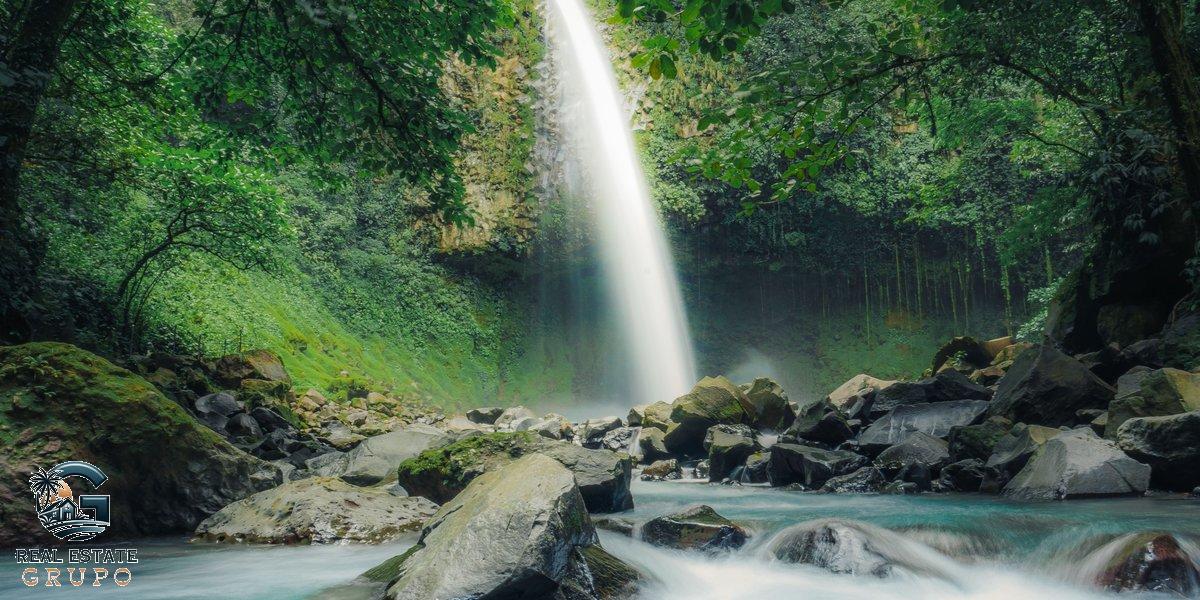
Nosara sits in Guanacaste province, on the Nicoya Peninsula. The area includes several distinct communities: Playa Guiones, Playa Pelada, Garza, and the inland village of Nosara itself. Property types vary widely, from oceanview lots on hillsides above Guiones to jungle homes near the biological reserve, to concession land along the beach. That range of property types means the due diligence steps are not one-size-fits-all.
The Nosara market also attracts a lot of off-market deals, often pitched directly to buyers through social media or word of mouth. That’s great for finding deals, but it means less friction in the early stages. Buyers get excited, wire deposits quickly, and sometimes skip the checks that would have saved them serious money. The most common mistake we see: paying a reservation deposit before confirming the title is clean and the seller actually has the legal right to sell.
How Do You Find the Finca Number for a Nosara Property?
The finca is the property’s official registry ID. For properties in Nosara and surrounding areas, the finca number will typically fall under the Guanacaste province registry. It looks like a number with a letter suffix, for example “Guanacaste-123456-000.” Your attorney, the seller, or a listing agent should be able to give you this number from the escritura (title deed).
Once you have the finca number, you can run a property check to start. The free map shows the recorded area of the parcel; Folio’s $29 report adds the registered owner, any mortgages or annotations, and whether there are any legal holds on the property. It’s based on live Registro Nacional data, and it costs far less than finding out there’s a lien after you’ve already signed a purchase agreement.
What Is the Zona Maritimo Terrestre and Why Does It Matter in Nosara?
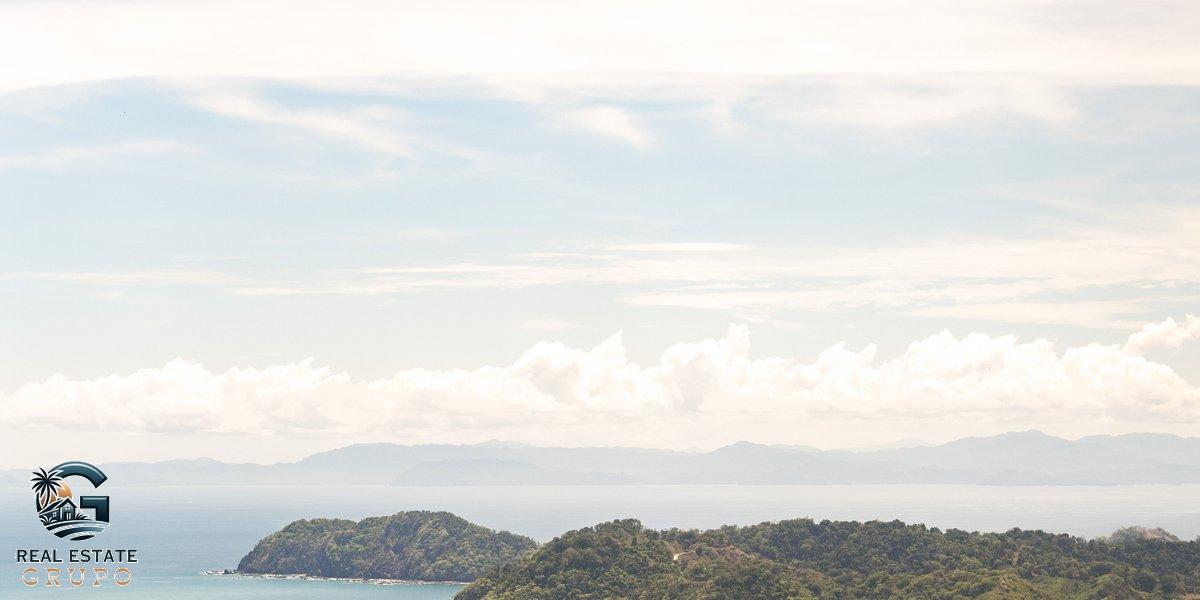
This one surprises a lot of buyers. In Costa Rica, a 200-meter strip measured from the high-tide line along any ocean beach is called the Zona Maritimo Terrestre, or ZMT. The first 50 meters of that strip (the public zone) cannot be privately owned by anyone, ever. The next 150 meters (the restricted zone) can only be held through a concession, not a traditional titled deed.
Playa Guiones and Playa Pelada are both subject to ZMT law. That means any property with a beach address in Nosara needs to be checked specifically for its maritime-zone status. A concession is a government-granted right to use and develop the land, administered by the municipality and regulated by ICT (Instituto Costarricense de Turismo). Concessions have expiration dates, renewal requirements, and restrictions on transfers. You can buy a concession property, but you need to understand what you’re buying. It’s fundamentally different from fee-simple titled land.
| Property Type | Ownership Structure | Key Risks to Check |
|---|---|---|
| Titled land (inland / hillside) | Fee-simple, registered at Registro Nacional | Liens, unpaid taxes, boundary overlap |
| Concession land (ZMT restricted zone) | Government-granted concession via municipality | Expiry date, renewal status, transfer approvals |
| Public zone (first 50m from tide line) | Cannot be privately owned | Any “title” here is legally void |
How Do You Verify the Plano Catastrado (Survey Map) in Nosara?
Every titled property in Costa Rica should have a plano catastrado on file, which is the official cadastral survey showing the exact boundaries, shape, and registered area of the parcel. The plano number is different from the finca number. Both matter. The plano tells you whether the physical boundaries on the ground match what’s recorded in the registry.
In Nosara specifically, boundary issues come up more often than in flat urban areas because the terrain is hilly and the roads are rough. A property might be marketed as two hectares but the registered plano shows less. Or the plano might overlap with a neighboring parcel. When you check the title, confirm the plano number is referenced in the finca and that both are consistent. Your attorney will then order a physical survey if anything looks off.
What Liens and Encumbrances Should You Look For?
Costa Rican property can carry several types of encumbrances that you’ll want to catch before you buy. The most common are hipotecas (mortgages), anotaciones (annotations from unpaid debts or legal disputes), and gravamenes (other encumbrances like easements or restrictions). All of these show up on the finca record at the Registro Nacional.
Unpaid property taxes (impuesto sobre bienes inmuebles) owed to the local municipality are also worth checking. These don’t always show up on the title record, but they transfer with the property. If the seller owes three years of taxes and you close without checking, that debt becomes yours. Your closing attorney should run a municipal tax clearance as part of the standard process, but it helps to ask explicitly. You can also review your anticipated closing costs with REG’s free closing-cost calculator so nothing surprises you at the table.
Do Foreigners Have the Same Property Rights as Costa Ricans in Nosara?
Yes, for titled property. Costa Rica’s constitution grants foreigners the same property rights as citizens for fee-simple land. You can own titled property in your own name, through a Costa Rican corporation (sociedad anónima or S.A.), or through an LLC structure. There’s no requirement to be a resident.
The exception is concession land in the ZMT restricted zone. Foreign nationals with less than five years of residency cannot hold a concession directly in their name. This is a real constraint that affects beachfront buying in Nosara. Some buyers structure these deals through a Costa Rican corporation. That’s a legitimate approach, but it needs to be set up correctly with legal counsel, not worked around informally.
What Does the Full Due Diligence Process Look Like?
Here’s the order we walk buyers through for any Nosara property purchase. Start digital, then go deeper once the basics check out.
- Get the finca number and run a preliminary digital check to confirm ownership and flag any obvious liens or annotations.
- Confirm the property type: titled vs. concession. If concession, request the full concession file from the municipality.
- Hire a Costa Rican attorney to do a full title study (estudio de títulos), going back at least ten years in the registry history.
- Verify the plano catastrado matches the finca and the physical land. Commission a new survey if there’s any doubt.
- Check for unpaid municipal taxes and any SETENA (Secretaría Técnica Nacional Ambiental) environmental permits or restrictions, especially for development projects.
- Confirm water rights. Many Nosara properties are served by ASADA (local water cooperative), not public ICAA water. The water right should be transferable to you.
- Review the purchase agreement (promesa de compraventa) with your attorney before signing anything or paying a deposit.
If you’re planning to generate rental income from the property, you’ll also want to model your returns before you close. REG’s free rental ROI calculator helps you do exactly that, using realistic inputs for the Nosara market.
How Long Does a Nosara Property Check Take?
The initial digital registry check is very fast, often a matter of minutes. A full attorney-led title study typically takes a few business days to a couple of weeks, depending on the complexity of the finca history and how quickly the attorney can access records. Concession verification takes longer because you’re dealing with the local municipality of Nicoya, not just the national registry.
If you’re looking at raw land for development, factor in time for SETENA environmental review and municipal zoning confirmation. Nosara is in a sensitive ecological zone adjacent to the Refugio Nacional de Vida Silvestre Ostional. Building restrictions and setback requirements are real and specific. Get that information in writing before you finalize any offer. You can also browse available properties in the area to see what’s currently on the market at our listings.
Frequently Asked Questions
Can I check a Nosara property title myself without an attorney?
You can run a preliminary digital check yourself using a tool like Folio, which pulls data directly from the Registro Nacional. That’s a smart first step. For a binding legal title opinion you can rely on at closing, you need a licensed Costa Rican attorney. Think of the digital check as your first filter, not your final answer.
What is a finca number and how do I get it?
The finca is Costa Rica’s registry ID for a specific parcel of land. The seller or their agent should provide this from the current title deed. If no one can give you the finca number, that alone is worth pausing over.
Is beachfront property in Nosara always concession land?
If it’s within 200 meters of the high-tide line at Playa Guiones or Playa Pelada, then yes, it falls inside the Zona Maritimo Terrestre. Properties in the restricted zone (50 to 200 meters) are concession land, not titled fee-simple. Properties beyond 200 meters from the tide line can be fully titled. Exact measurements matter here, which is why the plano catastrado and maritime-zone verification are both essential.
What are the biggest title problems buyers find in Nosara?
The most common issues are undisclosed mortgages or liens, boundary disputes between neighboring parcels, unpaid municipal property taxes, expired or improperly transferred concessions, and properties that encroach on the public zone or protected biological reserve areas. A proper registry check and attorney title study catch all of these before closing.
Do I need to be in Costa Rica to do a property check?
No. The initial digital check can be done remotely from anywhere. Most of the attorney-led due diligence process can also be coordinated remotely. You do not need to be physically present in Nosara to do proper due diligence, though a site visit before closing is always a good idea if you can manage it.
Before you wire a deposit, check the property first. Run a free scan on Folio. Tap the lot to see its finca number, lot area, boundary and maritime-zone flag in seconds. Folio’s $29 report adds the registered owner, liens and the plano, usually within 24 hours. Then message Leo on WhatsApp at +506 8798 6122 when you are ready to move on a deal.
Browse current Costa Rica listings
These are properties we are working with right now. New ones get added often, so check back, or message us for off-market options that never hit the public site.

5 bedrooms / 5 bathrooms
Puntarenas Province, Santa Teresa, Costa Rica
CASA CEDRO | MAL PAIS
Puntarenas Province, Santa Teresa, Costa Rica
CASA MAREA with $400,000 down
Malpais, Puntarenas Province, Costa Rica
San Isidro Cóbano
Puntarenas Province, Santa Teresa, Costa Rica
Beachfront Villa in Playa Mal País
Puntarenas Province, Santa Teresa, Costa Rica
heart of Santa Teresa
Puntarenas Province, Santa Teresa, Costa RicaOn the ground in Costa Rica, helping US and Canadian buyers find and safely close the right property. Questions? Message Leo on WhatsApp at +506 8798 6122.


Join The Discussion