 English
 Español
 Français
 עברית
 Português


Disputed land in Costa Rica is more common than most buyers expect, and the consequences of skipping due diligence can be severe. Unlike buying a home in the US or Canada, Costa Rica’s property system has unique layers: maritime zone restrictions, overlapping cadastral maps, unregistered possessory rights, and a public registry that is transparent but requires someone who knows what they’re looking for. The good news is that the disputes are almost always discoverable before you sign anything, if you know where to look and what questions to ask. This guide walks you through exactly how to protect yourself.
- Always check the title through the official Registro Nacional before any deposit changes hands.
- Maritime zone land (the first 200 meters from the high-tide line) cannot be privately owned and is frequently disputed.
- Squatter rights (precario) are legally recognized in Costa Rica and can cloud a title even on seemingly clear properties.
- A local attorney and an independent property report are not optional extras. They are your first line of defense.
What makes land disputes so common in Costa Rica?
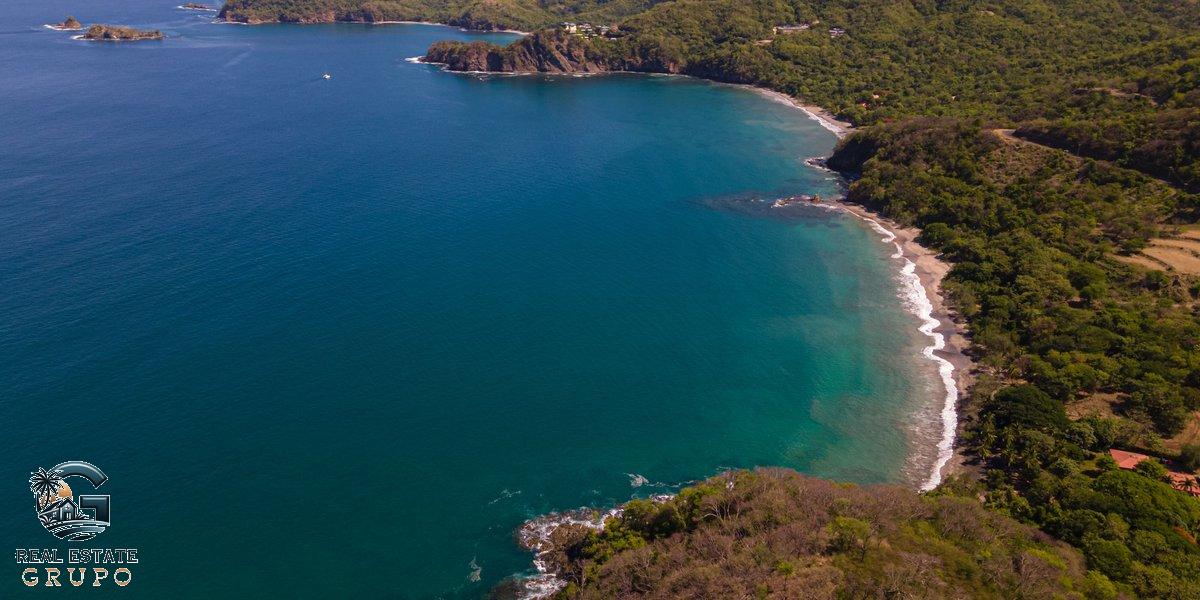
Costa Rica has a long history of informal land occupation, especially in rural and coastal areas. For decades, farmers and settlers established possession rights simply by working land, building fences, and planting crops, with no formal deed. That informal history is now baked into the legal system through a concept called posesión decenal (ten-year possessory rights), where someone who has openly and continuously occupied land for ten years can petition the courts to formalize ownership. The problem for buyers: that possessory claim might not show up in the registry at all.
Coastal areas add another layer. Costa Rica’s Maritime Zone Law divides the first 200 meters from the high-tide line into two strips. The first 50 meters are always public, full stop. The next 150 meters are concession land, meaning the government grants usage rights rather than true ownership. Many foreign buyers have purchased “titled” beachfront property without realizing the title is actually a concession that can be revoked, denied renewal, or disputed by a municipality. That’s one of the most expensive mistakes we see.
How do I check if a property has a disputed title in Costa Rica?
Start with the finca number. Every registered property in Costa Rica has a finca number, which is its unique identifier in the Registro Nacional. With that number, you can pull the full title history, check for liens (hipotecas), annotations (anotaciones), and any legal proceedings that have been flagged against the property. A clean finca is the starting point, not the finish line.
Next, cross-reference the plano catastrado, which is the official cadastral survey map. This is where overlap disputes live. Two neighboring properties might have registered measurements that physically overlap on the map, even though both have seemingly valid titles. That boundary conflict often goes undetected until someone builds a fence or a new owner shows up. Run a property check that pulls both the registry data and the cadastral information together, so you can spot the mismatch early.
What are squatter rights and how do they affect a property purchase?

Squatter rights in Costa Rica, known locally as precario, are a real legal mechanism, not just a rumor. If someone has been living on or actively using a piece of land for an extended period, they can assert rights that complicate or even block a sale. In some rural provinces like Limón, Puntarenas, and parts of Guanacaste, this is not theoretical. It happens regularly. A physical visit to the property, and a conversation with neighbors, is something no title report can replace.
Even a cleared title can mask a precario situation if the occupant simply hasn’t filed a legal claim yet. Your attorney should conduct what’s called a estudio de título (title study) and also physically verify who is on the land. If there are structures, crops, or other signs of occupation that don’t belong to the seller, pause the transaction and get clarity before proceeding.
How do maritime zone disputes work on Costa Rica beachfront properties?
This is the area where foreign buyers lose the most money. Costa Rica’s Maritime Zone Law (Ley de la Zona Marítimo Terrestre) governs everything within 200 meters of the Pacific and Caribbean coastlines. Foreign nationals cannot hold more than a 49% interest in a concession in most municipalities. Some municipalities have not developed a plan regulador (zoning plan), which means they legally cannot grant new concessions at all. Properties in those zones may have been sold informally for years, with buyers receiving essentially nothing more than a handshake agreement.
Before you make an offer on beachfront property, verify whether it sits within the maritime zone, and if so, which strip. Check the concession status with the relevant municipality and confirm the property is included in that municipality’s official coastal zoning plan. The Instituto Costarricense de Turismo (ICT) oversees maritime zone regulations alongside the municipalities and can be a resource for confirming concession information.
What types of land disputes should I watch for in different regions?
Not every region carries the same risk profile. Here’s a realistic comparison of the most common dispute types by area:
| Region | Most Common Dispute Type | Primary Watch-Out |
|---|---|---|
| Guanacaste (Nosara, Tamarindo, Santa Teresa) | Maritime zone concession issues | Concession not renewed or municipality lacks plan regulador |
| Central Valley (San José suburbs, Atenas, Grecia) | Cadastral overlaps, boundary disputes | Old subdivisions with mismatched planos |
| Southern Zone (Ojochal, Dominical, Uvita) | Possessory rights, precario occupation | Sellers who inherited informally or bought unregistered land |
| Caribbean (Puerto Viejo, Cahuita) | Maritime zone + indigenous territory proximity | Land bordering CONAI-protected indigenous reserves |
| Mountain areas (San Gerardo, Turrialba) | SETENA environmental restrictions | Protected watersheds and forestry law conflicts |
What due diligence steps should every buyer take before closing?
Hire your own attorney. Not the seller’s attorney, not the developer’s recommended attorney. Your own independent, bilingual lawyer who represents only your interests. This is the single most important step, and it costs far less than a disputed title resolution will. Costa Rica’s closing process goes through a notario público (notary public who is also a licensed attorney), and that person prepares the deed, but they represent the transaction, not you specifically.
Get a formal title study (estudio de título) that covers at least the last ten years of ownership history, all registered liens, any court annotations, and any pending legal actions. If the property is in or near a protected area, also check with SETENA (the environmental agency) whether there are any viability restrictions or prior violations on the land that could block future construction or development.
Visit the property in person before you wire anything. Walk the physical boundaries with the survey map in hand. Talk to the neighbors. Ask the local municipality if there are any unresolved complaints or claims on the property. These conversations take a morning, and they’ve saved buyers from six-figure mistakes more than once.
Once your due diligence is complete and you’re confident in the deal, our closing-cost calculator can help you estimate what you’ll pay at the table, including transfer taxes and notary fees, so there are no surprises on closing day. And if you’re considering seller financing or rental income as part of your investment case, our owner-financing calculator and rental ROI calculator are worth running before you commit to a price.
Can disputed land ever be resolved after purchase?
Sometimes, yes. Boundary overlaps can be corrected through a new survey (plano catastrado amendment) if all neighboring parties agree. Possessory rights claims can be challenged in court through the Poder Judicial, though the process is slow and expensive. Maritime zone concession issues are harder to fix because they depend on municipal and government decisions outside any single party’s control.
The honest answer is that resolving a dispute after purchase is a legal battle that can drag on for years. The far smarter play is to find the problem before you buy. Browse our listings and you’ll see that each property we work with goes through an agent-level review before we ever put it in front of a buyer, but that review is no substitute for your own independent due diligence.
Frequently Asked Questions
Can a foreigner own land outright in Costa Rica?
Yes. Foreigners have the same ownership rights as Costa Rican citizens for titled (fee-simple) property registered in the Registro Nacional. The main exception is maritime zone concession land, where foreign nationals generally cannot hold more than a 49% stake in the concession-holding entity, depending on the municipality’s rules.
How long does a title search take in Costa Rica?
A basic registry check can return results quickly through digital tools. A thorough legal title study by an attorney, covering liens, ownership history, annotations, and boundary verification, typically takes a few days to about two weeks depending on the complexity of the property and how many transfers are in its history.
What is a finca number and why does it matter?
A finca number is the unique identifier assigned to every registered property in Costa Rica’s Registro Nacional. It works like a property’s social security number. Every search, legal filing, and title transfer references this number. If a seller cannot produce a finca number, the property may be unregistered, which is a major red flag.
Are there properties in Costa Rica with no registered title at all?
Yes. Some rural and coastal properties have never been formally registered and exist only as possessory rights. These are sometimes sold informally. Buying unregistered land carries significantly higher risk because you have no protection through the Registro Nacional, and formalizing the title can take years and involve court proceedings.
What’s the difference between a concession and a titled property in Costa Rica?
A titled property (also called fee-simple) means you hold legal ownership registered in your name in the Registro Nacional. A concession means the government or municipality grants you the right to use land for a defined period, typically 20 years, renewable. Concessions can be revoked, denied renewal, or restricted in ways that titled land cannot, which is why beachfront concession properties command different risk levels than inland titled lots.
Before you wire a deposit, check the property first. Run a free scan on Folio. Tap the lot to see its finca number, lot area, boundary and maritime-zone flag in seconds. Folio’s $29 report adds the registered owner, liens and the plano, usually within 24 hours. Then message Leo on WhatsApp at +506 8798 6122 when you are ready to move on a deal.
Browse current Costa Rica listings
These are properties we are working with right now. New ones get added often, so check back, or message us for off-market options that never hit the public site.

5 bedrooms / 5 bathrooms
Puntarenas Province, Santa Teresa, Costa Rica
CASA CEDRO | MAL PAIS
Puntarenas Province, Santa Teresa, Costa Rica
CASA MAREA with $400,000 down
Malpais, Puntarenas Province, Costa Rica
San Isidro Cóbano
Puntarenas Province, Santa Teresa, Costa Rica
Beachfront Villa in Playa Mal País
Puntarenas Province, Santa Teresa, Costa Rica
heart of Santa Teresa
Puntarenas Province, Santa Teresa, Costa RicaOn the ground in Costa Rica, helping US and Canadian buyers find and safely close the right property. Questions? Message Leo on WhatsApp at +506 8798 6122.


Join The Discussion