 English
 Español
 Français
 עברית
 Português


Costa rica listing hidden problems are the reason experienced buyers always look beyond the photos and the price. A listing tells you the bedroom count, the view, and the asking price. It won’t tell you the property sits inside a maritime zone where private ownership is legally impossible, or that there’s an unpaid lien from a construction loan the seller never disclosed, or that the survey map on file at the Registro Nacional doesn’t match the fence line you walked. These gaps aren’t always fraud. Sometimes sellers genuinely don’t know. But they become your problem the moment you wire a deposit, so you need to find them first.
- Costa Rica property listings are marketing documents, not legal disclosures. Treat them that way.
- Maritime zone land (within 200 meters of the ocean) cannot be privately owned. Many beach listings never mention this.
- Liens, annotations, and encumbrances attach to the finca (property registry number), not the seller’s name. They survive a sale.
- A clean title search at the Registro Nacional, combined with a matching survey map (plano catastrado), is the minimum due diligence before any deposit.
What Is a Costa Rica Listing Actually Telling You?

A listing here is a sales pitch. Costa Rica has no standardized seller-disclosure form the way many US states require. The agent uploads photos, writes a description, and sets a price. That’s it. There’s no legal obligation to flag a pending court annotation, a boundary dispute with a neighbor, or the fact that the well is shared with the property next door.
This isn’t me criticizing agents broadly. It’s just the reality of how the market works. You, as the buyer, carry the burden of discovery. The good news is that almost everything you need to know is in the public record. You just have to go look.
The Maritime Zone Problem Nobody Mentions in Beach Listings
This is the single biggest surprise for North American buyers. Costa Rica’s Maritime Zone Law (Ley de la Zona Marítimo Terrestre) reserves the first 50 meters from the high-tide line as public land. Nobody can own it. The next 150 meters, called the restricted zone (zona restringida), can only be held through a concession granted by the local municipality, not through a fee-simple deed the way you’d own a house in Florida.
A listing will say “beachfront property” and show a price in the hundreds of thousands of dollars. It may never mention the word concession. You need to ask directly: is this titled land (inscrito en el Registro) or is it a concession? If it’s a concession, who holds it, is it current, and does the municipality allow foreign nationals to hold it? Some municipalities do, some don’t, and some have different rules for properties within designated tourism zones.
What Are the Most Common Costa Rica Listing Hidden Problems?
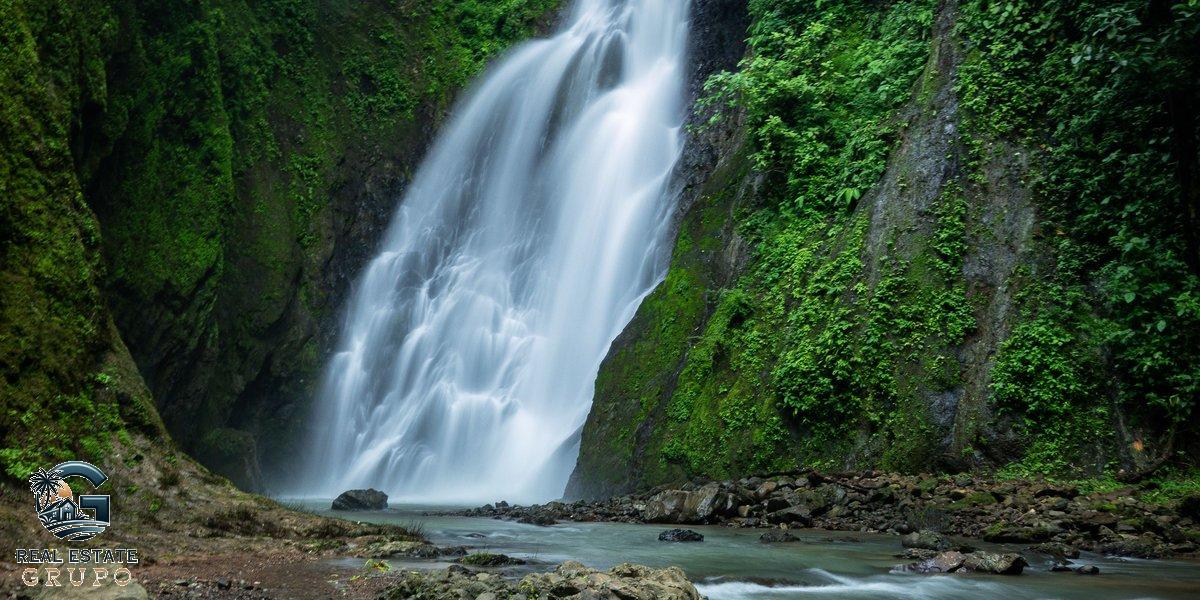
After years of helping US and Canadian buyers close deals across the Central Valley, Guanacaste, the Southern Zone, and the Caribbean coast, here’s what actually comes up.
Liens and Annotations That Survive the Sale
In Costa Rica, debts and legal claims attach to the finca, which is the property’s unique registry number, not to the person selling it. A seller can owe money to a bank, a contractor, or even the government, and that obligation stays with the property when it transfers to you. It’s called a gravamen (lien) or anotación (annotation). Some are active mortgages. Some are unresolved court judgments. Some are pending SETENA environmental requirements that were never completed.
The only way to know is to search the finca directly at the Registro Nacional. Don’t take the seller’s word. Don’t take a photocopy of a title certificate that’s two years old. Pull the live record.
Survey Map Mismatches
Every registered property in Costa Rica has a plano catastrado, a cadastral survey map filed with the Catastro Nacional. The listing might describe 5,000 square meters. The legal plano on file might show 4,200. Or the map might show the pool falling inside a neighbor’s boundary. These discrepancies exist more often than buyers expect, especially on older properties or rural land that was surveyed decades ago with less precise equipment.
You want to verify that the plano catastrado matches the physical boundaries before you sign anything. Your closing attorney (notary) should do this, but you can start the process early by checking the map reference yourself.
Ownership Structure Surprises
A lot of Costa Rica real estate is held inside a sociedad anónima (S.A.), a local corporation. When you buy the property, you might actually be buying shares in that corporation, not the land directly. This changes your due diligence completely. You’d need to review the corporation’s books, confirm it has no liabilities, check who the other shareholders are, and verify the corporation’s standing with Hacienda (Costa Rica’s tax authority). The listing will say nothing about any of this. It just says “house for sale.”
Unpermitted Construction
That beautiful second story added a few years back, or the casita out back that the listing calls a “guest house,” may have been built without a construction permit from CFIA (the professional engineers and architects federation) or without a use permit from the local municipality. Unpermitted structures can create problems when you try to sell, insure, or finance the property later. They can also trigger municipal fines that, again, attach to the property.
| Issue | What the Listing Shows | What You Need to Check |
|---|---|---|
| Maritime zone / concession | “Beachfront property” | Title type, concession status, municipality rules |
| Liens and annotations | Price and description only | Live finca search at Registro Nacional |
| Survey mismatch | Square meter size | Plano catastrado vs. physical boundaries |
| S.A. (corporate) ownership | Property address and photos | Corporate standing, liabilities, shareholder list |
| Unpermitted construction | “3-bed with guest house” | Municipal permits, CFIA records |
How to Actually Verify a Costa Rica Property Before You Commit
Start with the finca number. Every registered property in Costa Rica has one, and it’s your key to everything. With it, you or your attorney can pull the title at the Registro Nacional, view the plano catastrado, and see all recorded liens, mortgages, and annotations. Ask the seller or agent for the finca number early. If they hesitate or say they’ll get it to you later, that’s a flag.
You can also check the title online through Folio, which pulls official Costa Rica registry data, including finca details, plano catastrado references, and maritime-zone status, into a clear report you can read without being a lawyer. It’s a practical first step before you engage your closing attorney for the full legal review.
Then hire a Costa Rican closing attorney who isn’t referred by the seller. Your attorney acts as the notary on the deal and is legally responsible for verifying clean title. But you want someone whose loyalty is to you, not to closing the deal quickly. Ask how many transactions they’ve unwound or renegotiated after due diligence. A good attorney will have examples.
What About Buying for Rental Income? Hidden Problems Still Apply
If you’re buying in a place like Tamarindo, Nosara, Uvita, or Manuel Antonio with the goal of generating rental income, the due diligence questions multiply. You need to confirm the property is in a zone where short-term vacation rental is permitted by the local municipality. Some residential zones restrict it. You’ll also want to check whether the property has a current tourism operating license through ICT (the Costa Rica Tourism Institute), which matters for legally operating a rental business and for certain liability protections.
On top of that, you’ll want to model the actual numbers before you commit. Our free rental ROI calculator lets you input real costs and occupancy assumptions to see what your return actually looks like, not what the listing says it could be.
The Mistake We See Most Often
Buyers fall in love with a property on a video tour, wire an earnest money deposit to hold it, and then start asking questions. That order is backwards. The deposit should come after the title search, not before it. In Costa Rica, once you’ve signed a purchase option (opción de compra) and transferred funds, getting that money back if problems surface is not simple. It’s a legal process, not an automatic refund.
Look at the properties first. Browse our listings to get a feel for the market and realistic pricing by region. Then, before any money moves, do the property-level checks. That sequence protects you.
Frequently Asked Questions
Can a foreigner own property in Costa Rica outright?
Yes. Foreigners have the same property rights as Costa Rican nationals for titled (registered) land. The exception is maritime zone concessions within 200 meters of the ocean, where additional rules and restrictions apply depending on the municipality and whether the area is designated as a tourism zone.
How do I find out if a property has liens in Costa Rica?
You search the finca number at the Registro Nacional. The registry is public and shows all recorded mortgages, liens, court annotations, and encumbrances. You can start by running a property check through Folio to get a clear summary, then have your closing attorney do the full legal review.
What is a plano catastrado and why does it matter?
A plano catastrado is the official cadastral survey map filed with the Catastro Nacional. It defines the legal shape, size, and boundaries of the property. If the physical boundaries on the ground don’t match the plano on file, you have a legal problem, even if the title itself looks clean.
Is it safe to buy property inside a sociedad anónima (S.A.) in Costa Rica?
Buying through an S.A. is common and can be legitimate, but it requires additional due diligence. You’re acquiring a company, not just land. Your attorney needs to verify the corporation has no outstanding debts, tax obligations with Hacienda, or other liabilities that would transfer to you along with the shares.
Do I need a Costa Rican attorney to buy property?
Yes, legally you do. In Costa Rica, property transfers are executed before a licensed notary public, who is also an attorney. The notary is responsible for verifying title, preparing the deed (escritura), and registering the transfer at the Registro Nacional. You should hire your own attorney rather than relying on the seller’s or the agent’s referral.
Before you wire a deposit, check the property first. Run a free scan on Folio. Tap the lot to see its finca number, lot area, boundary and maritime-zone flag in seconds. Folio’s $29 report adds the registered owner, liens and the plano, usually within 24 hours. Then message Leo on WhatsApp at +506 8798 6122 when you are ready to move on a deal.
Browse current Costa Rica listings
These are properties we are working with right now. New ones get added often, so check back, or message us for off-market options that never hit the public site.

5 bedrooms / 5 bathrooms
Puntarenas Province, Santa Teresa, Costa Rica
CASA CEDRO | MAL PAIS
Puntarenas Province, Santa Teresa, Costa Rica
CASA MAREA with $400,000 down
Malpais, Puntarenas Province, Costa Rica
San Isidro Cóbano
Puntarenas Province, Santa Teresa, Costa Rica
Beachfront Villa in Playa Mal País
Puntarenas Province, Santa Teresa, Costa Rica
heart of Santa Teresa
Puntarenas Province, Santa Teresa, Costa RicaOn the ground in Costa Rica, helping US and Canadian buyers find and safely close the right property. Questions? Message Leo on WhatsApp at +506 8798 6122.


Join The Discussion