 English
 Español
 Français
 עברית
 Português


A free property check Costa Rica search can tell you more than most buyers expect, but it won’t tell you everything you need before wiring a deposit. Through the Registro Nacional, Costa Rica keeps public records on every titled property, including the finca number (the property’s unique registry ID), registered ownership, and recorded liens. Free tools pull from that same database. Paid reports go further: they layer in cadastral maps (planos catastrados), maritime zone classifications, boundary conflicts, and a readable summary a non-Spanish speaker can actually use. Knowing which level of check you need, and when, is one of the first things I walk every buyer through.
- Free searches surface basic ownership and lien data from Costa Rica’s public registry, but they’re raw and in Spanish.
- Paid reports translate, interpret, and add cadastral map data, maritime zone status, and boundary red flags.
- Neither replaces a lawyer, but both come before you hire one, so you know if the deal is even worth pursuing.
- Running a check early saves you attorney fees on properties that have title problems you’d have found in five minutes.
What does a free property check in Costa Rica actually show you?
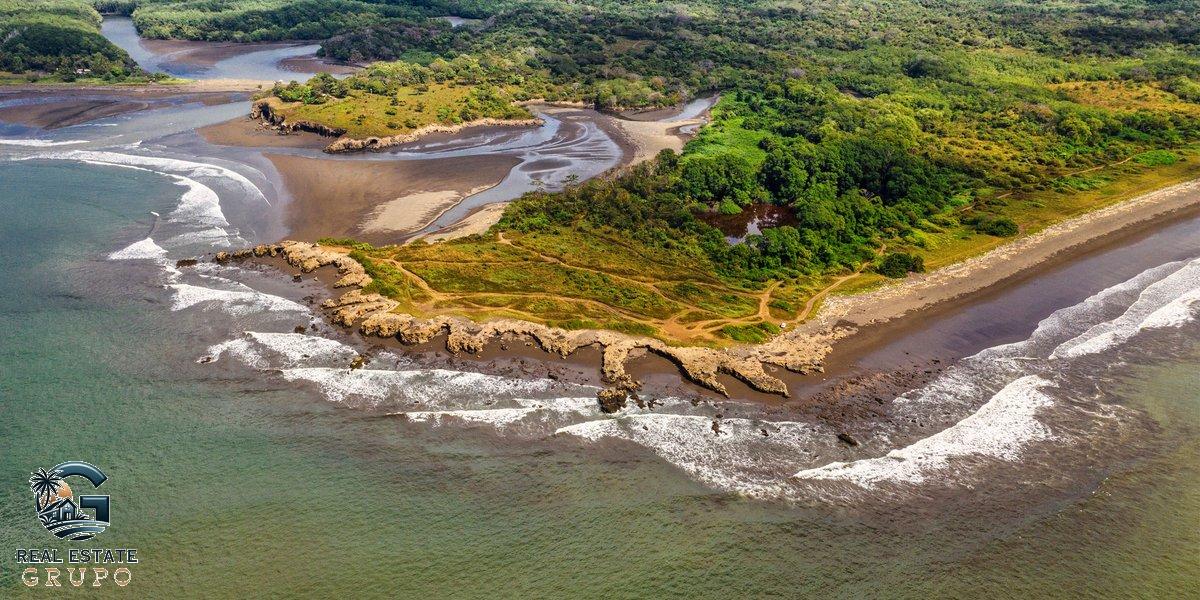
A free search through Costa Rica’s public registry pulls the raw finca record. That includes the current registered owner, the folio real (the formatted property ID), any mortgages or liens recorded against the title, and the registered surface area. This is real, official data. It’s not an estimate or a third-party database.
The catch is presentation. The raw registry output is in Spanish, formatted for attorneys and notaries, and it doesn’t flag problems for you. A lien appears as a line item, not a warning. A boundary discrepancy between the catastro (land survey office) and the registry doesn’t get highlighted. You get data, not interpretation.
For a buyer doing early-stage due diligence, a free check is genuinely useful. If the seller claims to own a property free and clear and the registry shows three mortgages, you’ve saved yourself from a bad deal in under two minutes. That’s real value.
What does a paid property check add?
A paid report does the interpretation layer that a raw registry dump skips. The biggest additions are the plano catastrado match (checking that the survey map on file actually matches the title description), maritime zone classification for beachfront properties, and a plain-English summary of what the flags mean.
Maritime zone status is the one that surprises buyers most. In Costa Rica, the first 50 meters from the mean high-tide line is public land. Nobody can own it. The next 150 meters is the restricted maritime zone, governed by local municipalities under a concession system, not a freehold title. A paid report tells you exactly which zone a beachfront property sits in, and whether the seller holds a valid concession or is just occupying public land without rights.
Boundary conflicts are another area where the paid layer earns its fee. Costa Rica has properties where the Registro Nacional record and the physical catastro map don’t agree on size or location. A paid check flags that mismatch. Without it, you could end up with a title that describes more land than the survey covers, or vice versa.
| What it checks | Free search | Paid report |
|---|---|---|
| Registered owner | Yes | Yes, with plain-English summary |
| Recorded liens and mortgages | Yes (raw Spanish) | Yes, flagged and explained |
| Plano catastrado match | No | Yes |
| Maritime zone classification | No | Yes |
| Boundary conflict flag | No | Yes |
| English-language summary | No | Yes |
When should you run the check, and in what order?
Run a check before you engage an attorney, not after. This is the mistake I see most often. Buyers fall in love with a property in Nosara or Uvita, wire a holding deposit, hire a lawyer, and then find out the title has an encumbrance or the beachfront land is pure concession with a contested renewal. The attorney’s fee doesn’t come back. The deposit often doesn’t either.
The right sequence is simple. First, get the finca number from the listing or seller. Second, run a property check to see if there are obvious problems. Third, if the property looks clean, engage a Costa Rican notary-attorney (notario publico) to do full due diligence. Fourth, negotiate terms and use the closing cost calculator to understand your total out-of-pocket before signing anything.
Skipping step two is how buyers waste money on legal fees for deals that were never viable.
Does a property check replace a lawyer in Costa Rica?
No. Full stop. A property check, free or paid, is a screening tool. It tells you whether to keep moving forward. It does not replace a licensed Costa Rican notary-attorney who reviews the full title chain, confirms the seller’s legal authority to sell, drafts the purchase agreement (contrato de compraventa), and registers the transfer with the Registro Nacional.
Costa Rica requires that all real estate transfers be executed by a licensed notary-attorney. There’s no way around it. The check just makes sure you’re hiring that attorney for a property worth the effort, not one that has three encumbrances and a boundary dispute.
What about concession land and maritime zone properties?
If you’re looking at anything within 200 meters of the ocean in Costa Rica, the free vs. paid distinction matters a lot more. Concession land is not titled land. It’s a government-granted right to use maritime zone property, renewed periodically by the local municipality. A free registry search may show a finca number and look like a normal title, but a paid check will flag the maritime zone classification and tell you whether you’re looking at a concession or genuine fee-simple ownership.
Buying a concession property without understanding what you’re getting is one of the more expensive mistakes foreign buyers make in Costa Rica. You can hold a concession, rent it, and build on it. You just need to know the rules, renewal timelines, and restrictions before you buy. Check the maritime zone status first. Always.
You can browse properties across titled and concession areas on the REG listings page to see how listings are categorized before you go deeper on any one deal.
How do you actually run a property check in Costa Rica?
To verify the property, you need the finca number. It’s usually formatted as a province number followed by a six-digit identifier, for example: 6-123456-000 for Puntarenas province. Once you have that, Folio pulls the official Registro Nacional data and presents it in a clean report that makes sense to someone who doesn’t read Spanish legal documents for a living.
If you’re looking at a property where the seller or agent can’t or won’t give you the finca number, that’s a problem in itself. Every titled property in Costa Rica has one. Every seller should have it ready.
If the deal involves owner financing, you’ll also want to understand how a lien gets recorded against the property to secure your agreement. Use the owner financing calculator to model the terms while you’re at the check stage, so you come to the negotiation with real numbers.
Frequently Asked Questions
Is property ownership information in Costa Rica really public?
Yes. Costa Rica’s Registro Nacional makes property ownership, liens, and encumbrances publicly accessible. Any person can look up a finca number and see who holds title and what’s recorded against it. This transparency is one of the things that makes Costa Rica a more buyer-friendly market than many of its neighbors in Central America.
Can a foreigner own property in Costa Rica?
Yes, with the same rights as a Costa Rican citizen on titled land. Foreigners can own fee-simple titled property in their own name or through a corporation. The exception is concession land in the maritime zone, where some additional residency rules may apply depending on the municipality. Your attorney will confirm the specifics for the property you’re buying.
What is a plano catastrado and why does it matter?
A plano catastrado is the official survey map filed with Costa Rica’s cadastre office. It defines the exact boundaries, shape, and area of a parcel. When the plano doesn’t match the Registro Nacional’s title description, you have a boundary conflict that needs to be resolved before you buy. A paid property check flags this mismatch. A free registry search alone won’t catch it.
How long does a property check take in Costa Rica?
A basic registry pull is near-instant once you have the finca number. A paid report that includes cadastral data, maritime zone classification, and an English summary typically takes a short time to generate, often within minutes for standard titled properties. Complex properties in coastal zones or those with corporate ownership may take longer to interpret fully.
Should I check the property before making an offer?
Yes, and this is the part most buyers skip. Even a free check before you make a formal offer tells you whether the property is titled as described, who legally owns it, and whether there are recorded debts against it. Running it after you’ve made an emotional commitment to a property is too late. Make it your first step, not your last.
Before you wire a deposit, check the property first. Run a free scan on Folio. Tap the lot to see its finca number, lot area, boundary and maritime-zone flag in seconds. Folio’s $29 report adds the registered owner, liens and the plano, usually within 24 hours. Then message Leo on WhatsApp at +506 8798 6122 when you are ready to move on a deal.
Browse current Costa Rica listings
These are properties we are working with right now. New ones get added often, so check back, or message us for off-market options that never hit the public site.

5 bedrooms / 5 bathrooms
Puntarenas Province, Santa Teresa, Costa Rica
CASA CEDRO | MAL PAIS
Puntarenas Province, Santa Teresa, Costa Rica
CASA MAREA with $400,000 down
Malpais, Puntarenas Province, Costa Rica
San Isidro Cóbano
Puntarenas Province, Santa Teresa, Costa Rica
Beachfront Villa in Playa Mal País
Puntarenas Province, Santa Teresa, Costa Rica
heart of Santa Teresa
Puntarenas Province, Santa Teresa, Costa RicaOn the ground in Costa Rica, helping US and Canadian buyers find and safely close the right property. Questions? Message Leo on WhatsApp at +506 8798 6122.


Join The Discussion