 English
 Español
 Français
 עברית
עברית Português

A plano catastrado costa rica is the official surveyed map of a property, registered with the Registro Nacional (National Registry). It shows the exact boundaries, dimensions, total area in square meters, and the cadastral number (número catastral) that links the physical land to its legal title. Without a matching, registered plano, you can’t confirm that the land you’re touring is actually the land described in the deed. That gap is where expensive surprises live. Every buyer we work with, whether they’re picking up a condo in Escazú or a hillside lot in Uvita, gets this document reviewed before anything else moves forward.
- A plano catastrado is a state-registered survey map that defines a property’s legal boundaries and area.
- The cadastral number on the plano must match the number recorded in the property’s escritura (deed) and Registro Nacional entry.
- Mismatches between the plano and the title are one of the most common legal problems foreign buyers face in Costa Rica.
- You can verify a plano online through the Registro Nacional before signing anything or wiring any money.
What Does a Plano Catastrado Actually Show?
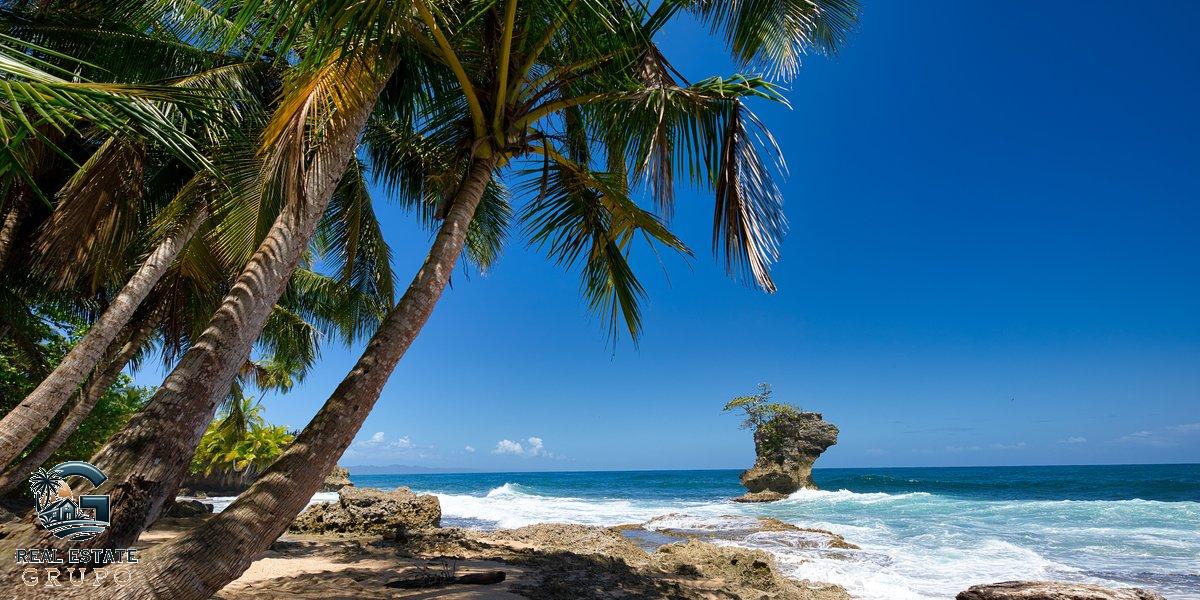
Think of the plano as a legal fingerprint for a piece of land. It’s drawn by a licensed topographer (topógrafo) and then submitted to the Catastro Nacional, the government body inside the Registro Nacional that manages all surveyed land records in Costa Rica.
The document itself includes the property’s precise measurements along each boundary line, the cardinal orientation, the total area, neighboring properties or public roads on each side, and the topographer’s stamp and license number. It also carries a unique alphanumeric code, for example something like “SJ-123456-2019,” where the first two letters indicate the province the land sits in.
That code is what connects the paper survey to the digital registry. If a seller hands you a plano and the code doesn’t appear in the Registro Nacional’s online system, that’s a serious red flag, not a paperwork delay.
Why Does the Plano Catastrado Matter So Much in Costa Rica?
Costa Rica uses a system where the physical cadastral survey and the legal property title are maintained separately. They’re supposed to reference each other, but they don’t always match, especially on older rural properties where survey work was done decades ago or informal boundary agreements have shifted over time.
The most common problem we see: a buyer falls in love with a lot in the Osa Peninsula, the seller shows them a title (folio real) that says 5,000 square meters, but the plano on file shows 3,800. Or the plano shows a road easement cutting through the northwest corner that nobody mentioned during the tour. Both of those situations change the value and the usability of the land significantly.
A second problem is overlap. Two adjacent planos can show boundaries that physically overlap, which means two different owners could claim the same strip of land. That kind of dispute ends up in front of the Poder Judicial (Costa Rican courts) and can take years to resolve. You don’t want to buy into that.
How Do You Read a Costa Rican Plano Catastrado?

You don’t need to be a surveyor to do a basic check. Here’s what to look for when a plano is in front of you.
- Cadastral number: Top of the document, usually formatted as Province abbreviation + number + year (e.g., G-045678-2015 for Guanacaste).
- Area total: Listed in square meters. Compare this to the folio real (title document) area. They should match or be very close.
- Linderos: The boundary descriptions. Each side of the property is labeled with who or what borders it, a neighbor’s name, a river, a public road, or the state (Estado).
- Topographer’s information: The licensed surveyor’s name, license number, and stamp. You can verify their license with the Colegio de Ingenieros Topógrafos.
- Date of survey: An older survey isn’t automatically bad, but it’s a reason to look more carefully at whether the physical boundaries match what’s on the ground today.
What’s the Difference Between Titled Land and Concession Land?
This comes up constantly with beachfront properties along Costa Rica’s Pacific and Caribbean coasts. Not all land near the ocean can be privately titled. The Maritime Zone Law (Ley de la Zona Marítimo Terrestre) sets a 200-meter strip from the high-tide line as a public zone, split into a 50-meter public zone and a 150-meter restricted zone where concessions (not private titles) are issued.
| Feature | Titled Property (Propiedad Privada) | Concession Land (Zona Marítimo Terrestre) |
|---|---|---|
| Registered at | Registro Nacional (full title) | Municipality + ICT approval |
| Foreigners can own | Yes, directly | Only if resident 5+ years (or via corporation with majority CR national partner in some cases) |
| Plano catastrado required | Yes, always | Yes, plus separate concession survey |
| Ownership security | High, full fee simple | Lower, subject to renewal and municipal conditions |
If you’re looking at a beachfront listing in Tamarindo, Dominical, or Manuel Antonio, get clarity on which category it falls into before you get emotionally invested. The Instituto Costarricense de Turismo (ICT) oversees the Maritime Zone regulatory framework alongside municipalities.
How to Verify a Plano Catastrado Before You Buy
The good news is that Costa Rica’s Registro Nacional has a public online portal where you can search property records by folio real (title number) or by the cadastral number directly. You don’t need a lawyer or a local contact to do a basic check. You do need someone who reads Spanish well or a bilingual agent to help you interpret what you find.
Here’s the process in plain terms. Get the cadastral number from the seller or their agent. Go to the Registro Nacional’s site at rnpdigital.com. Search the Catastro section using that number. Confirm the registered area matches the title, confirm there are no annotations indicating a dispute or pending correction, and note the date of the last registered survey.
After that basic check, a Costa Rican real estate attorney should pull a full study (estudio de título) that traces ownership going back at minimum ten years, flags any liens (gravámenes), mortgages (hipotecas), or annotations (anotaciones), and confirms the plano is consistent with the legal description in the deed.
You can also use Real Estate Grupo’s free Property Check tool, which pulls official Registro Nacional data so you can see the key details in one clear, English-friendly report without digging through the Spanish portal yourself.
What Happens If the Plano and Title Don’t Match?
Don’t panic immediately. Some mismatches are administrative and fixable. A small area discrepancy between an older plano and the title can sometimes be resolved through a new topographic survey and a correction filing (rectificación de área) at the Registro Nacional. The process takes time and costs money, but it’s not necessarily a deal-breaker.
Larger problems, like a plano that shows land in a completely different location from the title’s legal description, or boundaries that overlap with a neighbor’s registered plano, are serious. Those situations need legal resolution before any sale can safely close. A competent Costa Rican attorney will tell you clearly whether the issue is fixable before closing or whether it’s a reason to walk away.
The mistake we see most is buyers accepting a seller’s assurance that “it’s being corrected” and paying a deposit anyway. Don’t. Resolve the plano first. Deposits in Costa Rica are generally non-refundable once the option-to-purchase contract (opción de compra) is signed.
Do You Need a New Plano When You Buy?
Not always. If the existing plano is current, matches the title, and the boundaries are clear on the ground, you may not need a new survey. Your attorney will advise based on the specific property and how old the survey is.
If you’re buying raw land, a lot that was recently subdivided from a larger parcel, or a property where the seller seems uncertain about where the fence lines are, commissioning your own topographic survey is smart. You’ll spend a relatively modest amount compared to the purchase price, and you’ll know exactly what you’re buying. Explore current property listings with REG and we’ll flag survey status upfront for each one.
Frequently Asked Questions
Can I look up a plano catastrado for free in Costa Rica?
Yes. The Registro Nacional’s online portal at rnpdigital.com allows public searches of cadastral records. You can search by the cadastral number or by the folio real (title number). Some detailed documents may require a small fee to download officially, but basic search and viewing is publicly accessible.
What does the cadastral number format mean in Costa Rica?
The number starts with a two-letter province code (SJ for San José, G for Guanacaste, P for Puntarenas, etc.), followed by a sequential number and the year the survey was registered. That combination is unique to each surveyed parcel in the country and ties the physical land to all its registry records.
Is a plano catastrado the same as a property title in Costa Rica?
No. The plano is the physical survey map defining the land’s boundaries. The title (folio real) is the legal document recording ownership, liens, and encumbrances. Both live in the Registro Nacional but in different departments. Catastro handles the plano; the Registro de Bienes Inmuebles handles the title. You need to verify both, not just one.
What is a rectificación de área in Costa Rica?
It’s an official correction process filed at the Registro Nacional to update the registered area of a property when the plano and title show different sizes. A licensed topographer performs a new survey, and the attorney files the correction. It’s a legitimate process, but it should be completed before closing, not promised as something to handle afterward.
Do condos in Costa Rica have their own plano catastrado?
Yes. In Costa Rican condominium developments (condominios), each individual unit (finca filial) has its own folio real and is referenced by the master plano of the development registered under the condominium regime (régimen de condominio). Before buying a condo, verify both the individual unit’s registration and the overall development’s legal standing with the Registro Nacional.
Before you wire a deposit, verify the property. Folio pulls official registry data into one clear report. Or message Leo on WhatsApp at +506 8798 6122.
Browse current Costa Rica listings
These are properties we are working with right now. New ones get added often, so check back, or message us for off-market options that never hit the public site.

5 bedrooms / 5 bathrooms
Puntarenas Province, Santa Teresa, Costa Rica
CASA CEDRO | MAL PAIS
Puntarenas Province, Santa Teresa, Costa Rica
CASA MAREA with $400,000 down
Malpais, Puntarenas Province, Costa Rica
San Isidro Cóbano
Puntarenas Province, Santa Teresa, Costa Rica
Beachfront Villa in Playa Mal País
Puntarenas Province, Santa Teresa, Costa Rica
heart of Santa Teresa
Puntarenas Province, Santa Teresa, Costa RicaOn the ground in Costa Rica, helping US and Canadian buyers find and safely close the right property. Questions? Message Leo on WhatsApp at +506 8798 6122.


Join The Discussion