 English
 Español
 Français
 עברית
 Português


Foreign buyer property checks in Costa Rica are not optional extras you do after you fall in love with a view. They are the foundation of a safe purchase. Costa Rica allows foreigners to own titled property with the same rights as citizens, which is genuinely great news. But the registry system, known as the Registro Nacional, records everything from lien holders to unpaid property taxes, and those records can surprise you badly if you skip the due-diligence step. Run your checks before you sign anything or transfer any money, and you’ll avoid the single biggest mistake we see foreign buyers make here.
- Always verify the finca number (the property’s registry ID) before any other step.
- Lien checks, boundary checks, and maritime-zone status are separate searches, each with different stakes.
- Concession land near the coast cannot be “owned” the way titled land can, so the check process is different.
- Tools like Folio pull official registry data into one report so you don’t have to interpret raw Spanish legal text yourself.
What Is a Finca Number and Why Does Every Property Check Start There?
Every titled property in Costa Rica is assigned a finca number, essentially a registry ID that lives inside the Registro Nacional. That number links to the legal owner of record, any mortgages or liens, the registered land area, and the plano catastrado (the official cadastral survey map). If someone can’t hand you the finca number, that’s your first red flag.
The most common mistake we see is buyers trusting a seller’s verbal description of boundaries instead of checking the actual plano on file. Registered area and physical fences almost never perfectly match in rural Costa Rica, and that gap can cost you square meters or complicate future construction permits.
How Do Foreign Buyers Check Title and Ownership in Costa Rica?
A title check means pulling the current folio real from the Registro Nacional and reading who the legal owner is, whether the seller has authority to sell, and what encumbrances (liens, mortgages, easements, annotations) are attached. You’re looking for clean, unencumbered title in the seller’s name. Any annotation on the title should be explained in writing before you proceed.
You can run a property check through Folio, which pulls live data from the Registro Nacional and presents it in clear English rather than dense legal Spanish. For a formal legal opinion you’ll still want a Costa Rican attorney, but starting with Folio means you walk into that attorney conversation already knowing what questions to ask.
What Liens and Encumbrances Should Foreign Buyers Look For?

Liens in Costa Rica come in a few common forms. A hipoteca is a mortgage registered against the property, which must be paid off or assumed for title to transfer clean. An anotación is a legal annotation, sometimes from an unpaid contractor, a pending court case, or a boundary dispute. Easements, called servidumbres, grant third parties rights to cross or use part of the land.
Unpaid property taxes (impuesto territorial) and municipal fees can also attach to a property, not to the owner personally. That means you, the buyer, could inherit old tax debt if it isn’t cleared at closing. Your closing attorney will check this, but knowing what’s there before you sign the purchase agreement puts you in a stronger negotiating position.
| Encumbrance Type | Spanish Term | Buyer Risk if Ignored |
|---|---|---|
| Mortgage | Hipoteca | Title won’t transfer clean until settled |
| Legal annotation | Anotación | Could freeze or block the transaction |
| Easement | Servidumbre | Limits your use of part of the land |
| Unpaid property tax | Impuesto territorial atrasado | Buyer may inherit the debt |
Why Is Maritime Zone Status a Critical Foreign Buyer Property Check in Costa Rica?
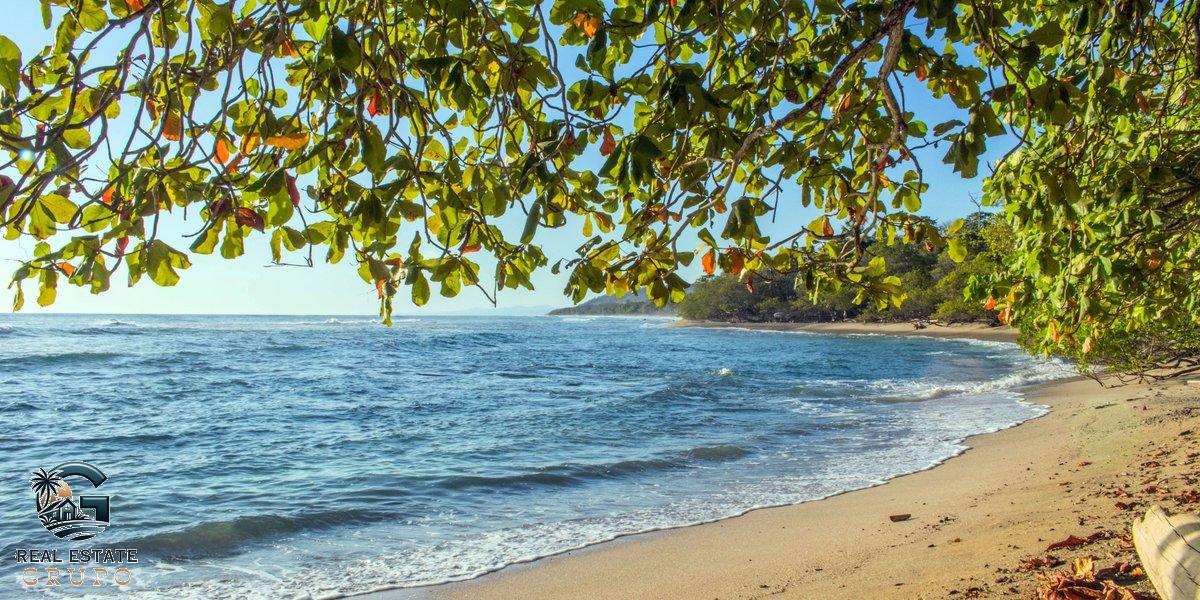
Costa Rica’s Zona Marítimo Terrestre (Maritime Terrestrial Zone, or ZMT) covers the first 200 meters from the high-tide line along virtually every beach in the country. The first 50 meters are public and cannot be owned by anyone. The next 150 meters are concession land, managed by the local municipality, meaning you don’t own it, you hold a revocable concession to use it. Foreigners who have not been legal residents for at least five years cannot hold a concession directly in their name.
This is the check that trips up the most North American buyers. A listing can look like a regular titled beachfront home, and it can be advertised as such, but if the land sits inside the ZMT, the legal structure and your rights are completely different from titled fee-simple ownership. Always clarify ZMT status before you go further. The Instituto Costarricense de Turismo (ICT) oversees tourism-related elements of the maritime zone, and municipal records hold the concession files for each property.
Do You Need to Check Environmental Permits and Restrictions?
If you’re buying raw land or a property with development plans, environmental restrictions matter enormously. Costa Rica has strict rules about construction near rivers, wetlands, and forested areas. A property might have titled land that legally exists in the registry but sit inside a zone where SETENA (the environmental agency, Secretaría Técnica Nacional Ambiental) would never approve a building permit.
This is a less-talked-about check but a critical one, especially in the Southern Zone around Uvita and Ojochal, in the Osa Peninsula, and around Arenal where ecological buffer zones are common. Your attorney can request a viabilidad ambiental (environmental viability) opinion, and a good local architect familiar with the municipality can tell you in about five minutes whether your dream build is realistic on a given plot.
What Does the Survey Map (Plano Catastrado) Tell You?
The plano catastrado is the official cadastral survey filed with the Registro Nacional. It shows the registered shape, area, and boundary coordinates of the property. The plano number should match what’s listed on the finca, and ideally a licensed topographer, called a topógrafo, has recently certified the boundaries on the ground.
In popular areas like the Central Valley, Guanacaste, and the Pacific coast, you’ll find properties where old planos were drawn decades ago with less precise tools. Discrepancies between the plano and the physical markers on the ground are more common than you’d expect. If you’re buying land over a quarter hectare, hiring a topographer to verify the corners before closing is money very well spent.
How Do Closing Costs and Taxes Factor Into the Property Check Process?
Once your checks come back clean, you’ll move toward signing the escritura (the deed) in front of a Costa Rican notary. Closing costs here include transfer tax, stamp duties, notary fees, and registration fees. These add up to a meaningful percentage of the sale price, and the split between buyer and seller is negotiated, not fixed by law.
Before you get to that table, know your full cost picture. Use our free Costa Rica closing costs calculator to estimate what you’ll owe at closing based on the purchase price. If you’re also evaluating the property as a rental investment, run it through our rental ROI calculator as well, because the numbers look very different in a high-season area like Tamarindo versus a quieter emerging market like Dominical.
Frequently Asked Questions
Can a foreigner own property outright in Costa Rica?
Yes. Foreigners can own titled property in Costa Rica with the same rights as Costa Rican citizens, with no requirement to be a resident first. The restriction applies specifically to beachfront concession land inside the maritime zone, where you must have at least five years of legal residency to hold a concession directly.
How do I verify who legally owns a property in Costa Rica?
You look up the property’s finca number in the Registro Nacional. The registry records the current legal owner, any co-owners, and all registered encumbrances. You can verify the property through Folio, whose $29 report pulls that data in English from the official registry.
What happens if there’s a lien on the property I want to buy?
A lien doesn’t automatically kill the deal, but it must be resolved before the title transfers clean. Most commonly, a mortgage or debt is paid off from the sale proceeds at closing, with the notary coordinating the payoff. If a lien is contested or tied to a court case, that’s a more serious situation requiring your attorney’s assessment before you proceed.
Is buying land near the beach in Costa Rica risky?
It can be, if you don’t do the maritime-zone check first. Beachfront properties in the ZMT operate under a concession structure managed by the local municipality, not by the Registro Nacional the same way. The risk isn’t the location itself, it’s buying without understanding what legal interest you actually hold. A thorough check and a good attorney remove most of that risk.
Do I need a Costa Rican attorney to buy property there?
Yes, practically speaking you do. In Costa Rica, only licensed Costa Rican notaries (who are also attorneys) can execute a property deed. Your attorney will run checks through the Registro Nacional, verify the plano, confirm tax standing with Hacienda, and handle the registration of the new deed. What you can do yourself, before engaging an attorney, is run a preliminary check through Folio to know what you’re walking into.
Before you wire a deposit, check the property first. Run a free scan on Folio. Tap the lot to see its finca number, lot area, boundary and maritime-zone flag in seconds. Folio’s $29 report adds the registered owner, liens and the plano, usually within 24 hours. Then message Leo on WhatsApp at +506 8798 6122 when you are ready to move on a deal.
Browse current Costa Rica listings
These are properties we are working with right now. New ones get added often, so check back, or message us for off-market options that never hit the public site.

5 bedrooms / 5 bathrooms
Puntarenas Province, Santa Teresa, Costa Rica
CASA CEDRO | MAL PAIS
Puntarenas Province, Santa Teresa, Costa Rica
CASA MAREA with $400,000 down
Malpais, Puntarenas Province, Costa Rica
San Isidro Cóbano
Puntarenas Province, Santa Teresa, Costa Rica
Beachfront Villa in Playa Mal País
Puntarenas Province, Santa Teresa, Costa Rica
heart of Santa Teresa
Puntarenas Province, Santa Teresa, Costa RicaOn the ground in Costa Rica, helping US and Canadian buyers find and safely close the right property. Questions? Message Leo on WhatsApp at +506 8798 6122.


Join The Discussion