 English
 Español
 Français
 עברית
 Português


Doing a proper beachfront lot costa rica check is the single most important step you’ll take before signing anything near the ocean. Costa Rica’s coastline is beautiful, yes, but it comes with a legal layer that catches foreign buyers off guard every year: a federal law called the Maritime Terrestrial Zone (Zona Marítimo Terrestre, or ZMT) that governs the first 200 meters inland from the mean high-tide line. Some of that land can never be privately owned. Some can be held under a concession, which is a government-granted right to use, not a fee-simple deed. Get this wrong and you could wire money for a lot that legally cannot be sold to you. This guide walks you through exactly what to check, in what order, before you commit a single dollar.
- The first 50 meters from the high-tide line is public land and cannot be privately owned, full stop.
- Meters 50-200 are the concession zone, where a government-issued concession, not a titled deed, controls use rights.
- Always verify the finca (property registry number) and plano catastrado (survey map) before trusting any seller’s description of boundaries.
- Use Folio to see the maritime-zone status free, and order the $29 report for registry data on liens and ownership.
What is the Maritime Terrestrial Zone and why does it matter for a beachfront lot in Costa Rica?
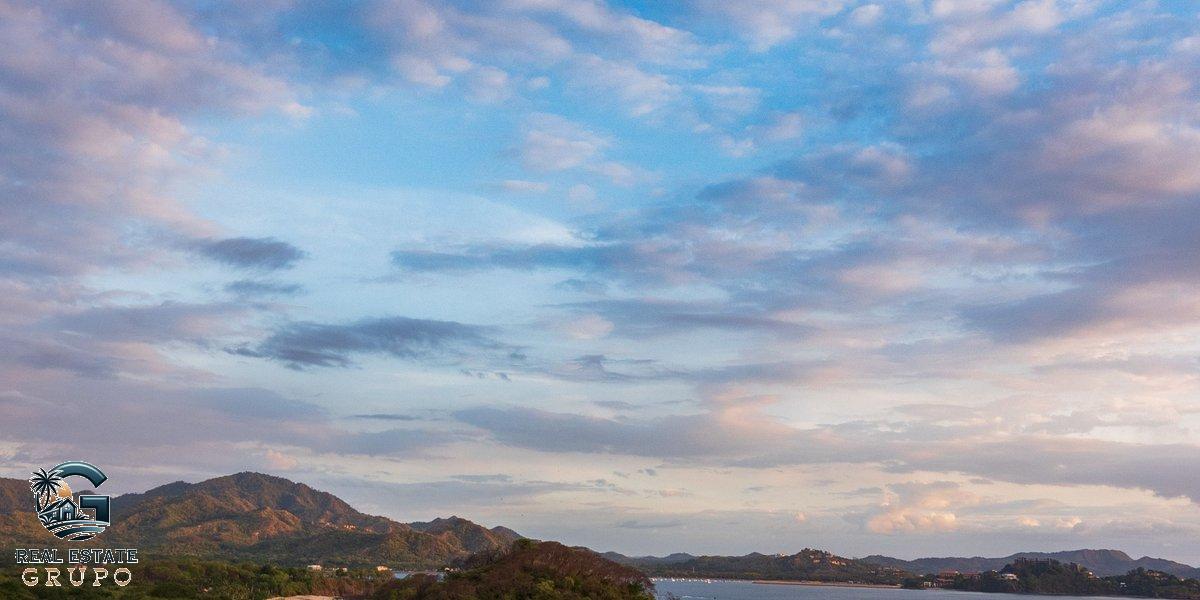
The ZMT is a strip of land 200 meters wide that runs along virtually all of Costa Rica’s coastline. It is governed by Law 6043, and it splits into two distinct bands. The first 50 meters from the mean high-tide line is the Public Zone. No exceptions, no workarounds. Nobody owns it, and no structure can be built there legally. The second 150 meters is the Restricted Zone, and this is where concessions exist.
A concession is a contract with the local municipality (municipalidad) that gives a person or company the right to use a specific parcel for a set period, typically up to 20 years, renewable in many cases. It is not a deed. You don’t own the land; you hold a permit. That distinction matters enormously if you’re counting on resale value or long-term security. And here’s a wrinkle many buyers don’t know: a foreign national who hasn’t held Costa Rican residency for at least five years is generally not eligible to hold a concession directly in their personal name.
How do you tell if a beachfront lot is titled or on concession?
This is the question you need to answer before anything else. Sellers sometimes use loose language. “Titled beachfront” sounds airtight but you have to verify it yourself. A titled lot will have a finca number registered in the Registro Nacional (Costa Rica’s National Registry), and that finca will sit entirely outside the ZMT boundary. A concession parcel, on the other hand, may appear in the municipal records, not in the national property registry the same way a fee-simple title would.
The fastest starting point is to run a property check on Folio, which shows the finca and maritime-zone flag free in minutes, and its $29 report adds any registered liens and encumbrances from official Costa Rica registry data. You get a clear picture within a day rather than spending days chasing paper records in Spanish.
What does the plano catastrado tell you about a beachfront lot?
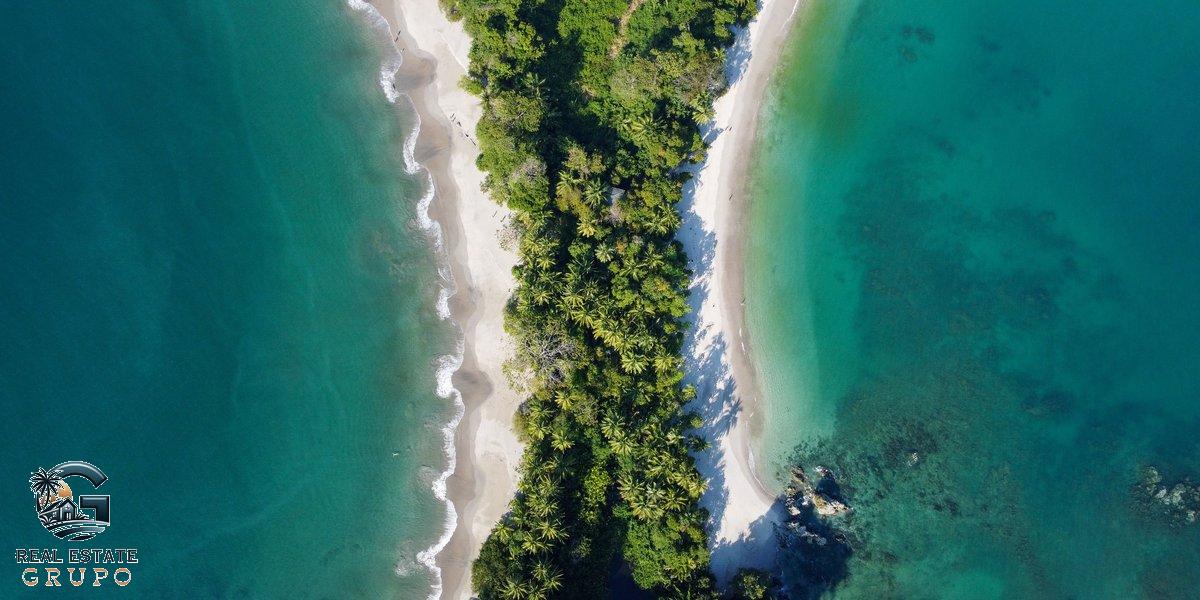
The plano catastrado is the officially registered survey map. It’s filed with the Catastro Nacional and shows the lot’s precise boundaries, dimensions, and its location relative to other parcels. For a beachfront lot in Costa Rica, the plano is where you see whether the drawn boundaries push into the public zone, whether the lot shape matches what the seller is showing you on a hand-drawn map, and whether adjacent lots have any overlapping claim.
Boundary disputes on beachfront land are more common than buyers expect, particularly in areas like Guanacaste’s Nicoya Peninsula, the Osa Peninsula, and the Caribbean coast near Puerto Viejo. Sellers sometimes sell “ocean view” or “beachfront” lots where the actual titled portion is set back from the water and the beach access crosses public or municipal land. The plano makes this visible.
| Document | What it confirms | Where it lives |
|---|---|---|
| Finca (property registry entry) | Ownership, liens, mortgages, encumbrances | Registro Nacional |
| Plano catastrado (survey map) | Boundaries, dimensions, adjacent parcels | Catastro Nacional |
| Concession file | Term, conditions, ZMT position, eligibility | Municipal government (municipalidad) |
| SETENA environmental permit | Development approvals, environmental restrictions | SETENA |
How do you check for liens and encumbrances on a beachfront lot in Costa Rica?
Liens (gravámenes) and annotations (anotaciones) attach to the finca number in the national registry. A lien might be a mortgage the seller hasn’t disclosed, a court judgment from the Poder Judicial, or a prior sale that was never properly closed out. In Costa Rica, these encumbrances travel with the property, not with the person. You could buy a clean-looking beachfront lot and inherit a debt the previous owner left behind.
This is the stage where many buyers cut corners and regret it. A title search done only by eyeballing a printout the seller hands you is not a title search. You or your attorney need to pull the finca directly from the registry and read every annotation line by line. A good Costa Rican real estate attorney (abogado) will do this as part of due diligence. Running Folio’s property check first gives you a head start before you even get to the attorney’s office.
What environmental rules apply to beachfront lots in Costa Rica?
Building near the coast in Costa Rica isn’t just about having title. Environmental law here is real and enforced. SETENA (the Secretaría Técnica Nacional Ambiental) reviews development plans in sensitive zones, and beachfront land almost always qualifies as a sensitive zone. If a developer has already built on a lot without SETENA approval, you could be inheriting an illegal structure that can’t be legalized.
Wetland buffers, nesting turtle corridors (like those near Ostional in Guanacaste or the Caribbean’s Tortuguero corridor), and protected forest canopy rules all affect what you can build and where. Ask specifically whether the lot has any SETENA restrictions or wildlife corridor designations before you finalize a purchase offer.
How do you verify the ZMT status of a specific lot?
The municipality where the lot sits handles concession records and the local Coastal Regulatory Plan (Plan Regulador Costero). Not every coastal municipality has a fully approved plan, and without one, new concessions generally can’t be granted in that zone. This has frozen development potential on otherwise attractive parcels in areas like parts of the Osa Peninsula and some Caribbean sections.
Your attorney needs to confirm with the local municipalidad whether a valid coastal regulatory plan exists, whether the specific parcel has an active concession in good standing, and who currently holds that concession. The ICT (Instituto Costarricense de Turismo) also plays a role in maritime zone oversight in tourism-designated zones, so it’s worth knowing which authority is primary for the area you’re looking at.
What are the biggest mistakes buyers make when checking a beachfront lot in Costa Rica?
The most common mistake I see is trusting the seller’s description of the lot type without independent verification. “Titled beachfront” gets thrown around loosely. Always check whether the title sits outside the ZMT boundary, not just whether a finca number exists.
Second mistake: skipping the plano catastrado and going straight to price negotiations. The survey map sometimes reveals that a lot’s “beach access” is actually crossing public right-of-way or a neighbor’s land with no formal easement.
Third mistake: not budgeting for closing costs on top of purchase price. Costa Rica’s transfer taxes and notary fees add up. Use our free Costa Rica closing cost calculator to see what you’ll owe before you make an offer, not after.
And if you’re buying as an investment rental, build the numbers properly. Our rental ROI calculator lets you model actual return scenarios for beachfront property so you’re not guessing at yield. Browse current coastal listings on our properties page to compare what’s actually available in areas like Tamarindo, Nosara, Manuel Antonio, and Puerto Viejo.
Frequently Asked Questions
Can a US or Canadian citizen own beachfront property in Costa Rica?
Yes, with important caveats. Fee-simple titled land outside the ZMT can be owned directly by a foreigner, just like a Costa Rican citizen. Land inside the concession zone (meters 50-200 from high tide) requires you to have held Costa Rican residency for at least five years to hold a concession in your personal name. Many foreigners structure concession holdings through a Costa Rican corporation (sociedad anónima) with local participation, though the law on this is specific and your attorney needs to guide you through it properly.
What is a finca number and how do I find it?
A finca is the unique registry number assigned to a property in Costa Rica’s national property registry. Every legally titled lot has one. You can search the registry directly at the Registro Nacional website, or use Folio’s $29 report to pull the finca data along with liens and other annotations in a readable format. Always ask for the finca number before signing any purchase option or offer to purchase.
How long does due diligence take on a beachfront lot in Costa Rica?
A proper due diligence period for a beachfront lot typically runs 30 to 60 days. That window should cover title verification, the plano catastrado review, municipal concession checks, environmental status, and a physical inspection with a surveyor. Rushing this process is one of the most expensive decisions a buyer can make. If a seller won’t give you a reasonable due diligence period, that tells you something important.
What does a Costa Rica property title search cost?
Attorney fees for a full title search and due diligence report vary, but budgeting a few hundred to a few thousand dollars for a thorough review is realistic depending on property complexity. For beachfront lots with concession elements, expect the higher end of that range because municipal records require in-person visits that titled property searches don’t. Using a preliminary tool like Folio’s property check first helps your attorney focus their paid time on interpreting results rather than basic data retrieval.
What happens if I buy a lot that turns out to be inside the public zone?
The purchase would have no legal standing for ownership. The public zone (first 50 meters from high tide) belongs to the Costa Rican state. A seller cannot convey title to public land, and a Costa Rican notary cannot legally execute a deed for it. If you’ve paid money based on a fraudulent representation, you’d have legal recourse through the courts, but recovering funds in that situation is a slow and difficult process. Prevention is everything here, which is exactly why checking the ZMT position of a lot is the first step, not an afterthought.
Before you wire a deposit, check the property first. Run a free scan on Folio. Tap the lot to see its finca number, lot area, boundary and maritime-zone flag in seconds. Folio’s $29 report adds the registered owner, liens and the plano, usually within 24 hours. Then message Leo on WhatsApp at +506 8798 6122 when you are ready to move on a deal.
Browse current Costa Rica listings
These are properties we are working with right now. New ones get added often, so check back, or message us for off-market options that never hit the public site.

5 bedrooms / 5 bathrooms
Puntarenas Province, Santa Teresa, Costa Rica
CASA CEDRO | MAL PAIS
Puntarenas Province, Santa Teresa, Costa Rica
CASA MAREA with $400,000 down
Malpais, Puntarenas Province, Costa Rica
San Isidro Cóbano
Puntarenas Province, Santa Teresa, Costa Rica
Beachfront Villa in Playa Mal País
Puntarenas Province, Santa Teresa, Costa Rica
heart of Santa Teresa
Puntarenas Province, Santa Teresa, Costa RicaOn the ground in Costa Rica, helping US and Canadian buyers find and safely close the right property. Questions? Message Leo on WhatsApp at +506 8798 6122.


Join The Discussion