 English
 Español
 Français
 עברית
 Português


Costa rica real estate scams are more common than most buyers expect, and the deals that look the best on paper are often the ones that deserve the closest scrutiny. After working with hundreds of North American buyers across the Central Valley, Guanacaste, and the Southern Zone, I’ve seen the same traps repeat themselves. Forged title documents, sellers who don’t actually own the property, fake rental-income projections, and beachfront lots sold as titled land when they’re legally concession land or outright maritime zone. The good news: every single one of these scams has a tell, and knowing what to look for before you wire money makes all the difference.
- Always verify the seller’s name matches the registered owner in the Registro Nacional before signing anything.
- Beachfront and coastal properties may be concession land, not titled land. These are completely different legal animals.
- Run a property check on the finca number and order its $29 report to see liens, encumbrances, and ownership history before you deposit a cent.
- Never wire money directly to a seller or unverified escrow account. Use a Costa Rican attorney and a licensed escrow company.
What Are the Most Common Costa Rica Real Estate Scams?
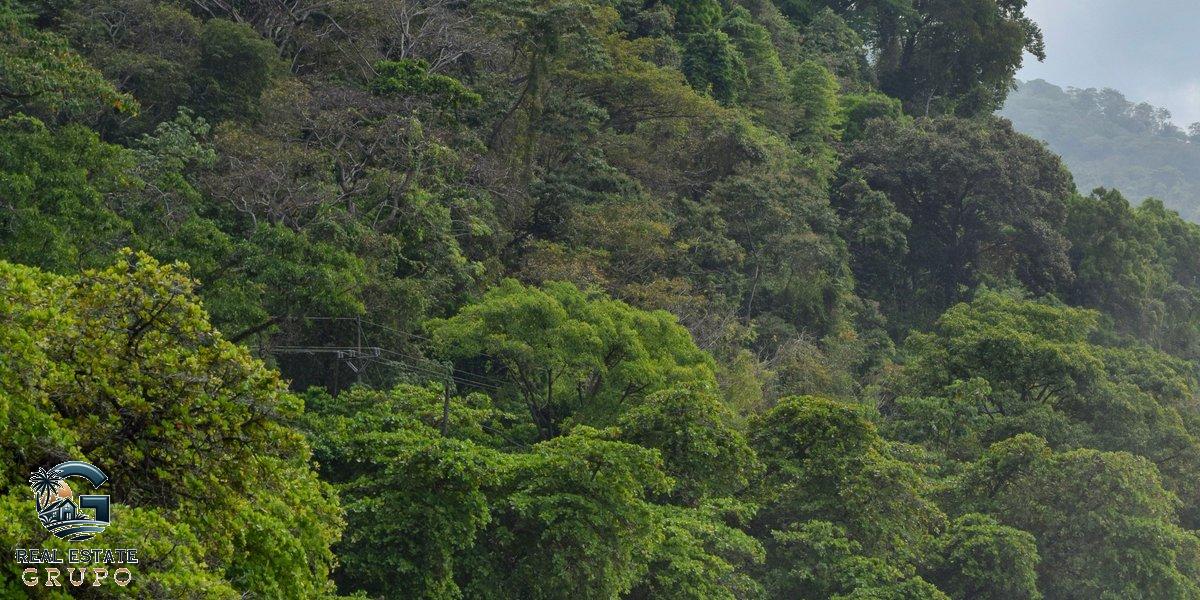
The scam I see most often isn’t some elaborate scheme. It’s a simple one: someone sells a property they don’t fully own, or they sell it with a lien (a legal debt attached to the property) they never disclosed. The buyer closes, wires the money, and later discovers the property can’t be transferred cleanly. By then, the seller may be unreachable.
A close second is the fake listing. Someone copies photos from a legitimate listing, posts them on Facebook Marketplace or a classifieds site at a below-market price, and collects “reservation deposits” from multiple buyers before disappearing. If the price looks like a deal compared to everything else in the area, ask yourself why.
Then there’s the maritime zone problem. Costa Rica’s Zona Marítimo Terrestre (the maritime terrestrial zone, or ZMT) covers the first 200 meters from the high-tide line on most beaches. The first 50 meters are public land, and the next 150 meters require a concession granted by the local municipality. You cannot hold a private titled deed to that land. Sellers who market beachfront lots as “titled” are either mistaken or lying, and you need to know which before you buy.
How Do I Verify a Property Title in Costa Rica?
Every legitimately registered property in Costa Rica has a finca number, which is basically the property’s unique ID in the national registry. That number connects to ownership records, liens, mortgages, annotations, and boundary maps called planos catastrados. The whole system is public, which is actually great for buyers because anyone can check it.
The fastest way to do this yourself is to run a property check through Folio. You enter the finca number and the free map shows whether it’s inside the maritime zone in minutes; the $29 report pulls the official registry data into one readable report: who owns it, what liens are on it, and whether there are any annotations blocking transfer. Do this before you sign a letter of intent or pay any deposit.
Your Costa Rican attorney will do a deeper due diligence search too, but running your own check first gives you a baseline. If what you see on Folio doesn’t match what the seller is telling you, that’s a red flag you can act on immediately, before you’re emotionally invested.
What’s the Difference Between Titled Land and Concession Land in Costa Rica?
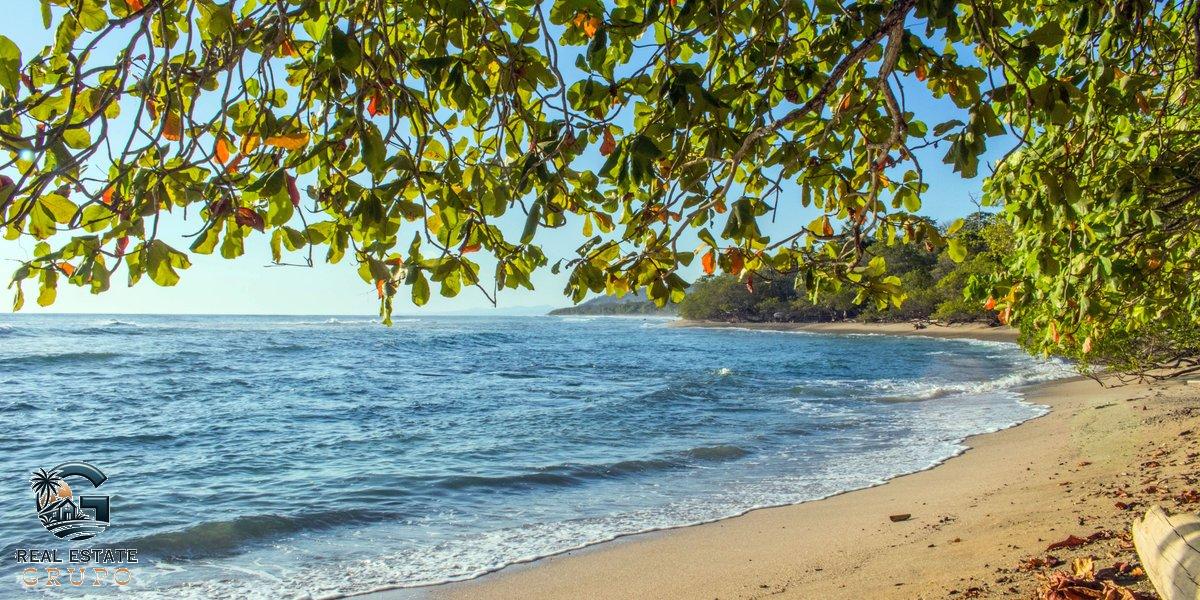
This is the question that trips up the most North American buyers because the distinction doesn’t really exist back home. In Costa Rica, titled land (tierra titulada) is fully private property registered in your name at the Registro Nacional. You own it outright, subject to normal property taxes and regulations.
Concession land is different. It sits within the maritime zone, and instead of owning it, you hold a concession granted by the local municipality and regulated by the Instituto Costarricense de Turismo (ICT). The concession can be renewed, but it can also be revoked. Foreign buyers cannot hold a concession directly unless they’ve been a legal resident for at least five years. Some buyers work around this through a Costa Rican corporation, but the legal structure matters enormously and varies by municipality.
| Feature | Titled Land | Concession Land (ZMT) |
|---|---|---|
| Ownership | Full private title | Concession granted by municipality |
| Foreign buyer eligibility | Yes, immediate | Requires 5 years legal residency (direct) |
| Revocable? | No (standard property rights) | Yes, under certain conditions |
| Registered at Registro Nacional? | Yes | Partial, also tracked by municipality |
| Price premium | Higher, more secure | Lower price, higher legal risk |
Are There Environmental Permit Scams I Should Watch For?
Yes, and this one is growing. Some sellers market raw land or properties with construction as having all permits approved, when in reality the environmental impact study (EIA) hasn’t been approved or was never submitted. In Costa Rica, many development projects near protected areas, wetlands, or sensitive ecosystems require approval from SETENA (the Secretaría Técnica Nacional Ambiental, the national environmental permitting body). Without that approval, you can’t legally build.
Ask for the SETENA viability letter (viabilidad ambiental) if you’re buying land to develop. If the seller says it’s “in process,” find out exactly what stage it’s at and factor in the timeline and risk. I’ve seen buyers pay a premium for lots that were presented as build-ready, only to wait years for permits that never came through.
How Do I Spot a Fake Listing or Fraudulent Agent in Costa Rica?
Costa Rica doesn’t yet have a mandatory national real estate licensing body the way the US and Canada do, which means anyone can technically call themselves an agent. That doesn’t mean you’re unprotected, but it does mean you need to vet who you’re working with.
Legitimate agents and brokers will have a track record you can verify: closed deals, references from past clients, and a real office presence or established online presence in a specific region. They’ll be comfortable putting everything in writing and they’ll push you toward proper legal representation, not away from it. If an agent discourages you from hiring an independent attorney or using escrow, stop there.
For listings, cross-reference any property you find on social media against established platforms and check whether the finca number is real. A property listed at 30 percent below comparable sales in Tamarindo, Dominical, or Atenas deserves extra scrutiny, not excitement. Real bargains exist, but the best-priced properties don’t usually need to be advertised to cold strangers via Facebook.
What Steps Should I Take Before Wiring Any Money?
Here’s the checklist I walk every buyer through before they commit a single dollar. First, get the finca number and verify the property through the official registry. Second, hire a Costa Rican attorney who is independent from the seller and from the listing agent. The attorney’s fee is a normal part of closing costs, and trying to skip that step to save a few hundred dollars is the most expensive mistake a buyer can make.
Third, use a licensed escrow company to hold your deposit, not a private bank account. Fourth, confirm the seller’s identity matches the registered owner. Fifth, if there’s any income projection being used to justify the price, model it yourself or ask us to model it using our rental ROI calculator with conservative assumptions. Sellers routinely inflate occupancy rates and nightly rates, especially in markets like Manuel Antonio and Nosara where short-term rental numbers fluctuate seasonally.
Finally, get a breakdown of all closing costs before you sign. Use our Costa Rica closing cost calculator to benchmark what’s normal. If a seller is asking you to cover unusual fees or taxes that don’t align with the standard structure, ask your attorney to explain why before you agree.
Frequently Asked Questions
Can foreigners own property in Costa Rica legally?
Yes. Costa Rica’s constitution gives foreign nationals the same property rights as citizens for titled land. You can own property in your own name or through a sociedad anónima (a Costa Rican corporation, commonly called an S.A.). The exception is direct concession land in the maritime zone, which requires five years of legal residency for foreigners to hold in their own name.
What is a finca number and why does it matter?
A finca number is the unique identifier for a registered property in Costa Rica’s national registry (the Registro Nacional). It links to the property’s ownership history, boundaries, liens, and legal annotations. Without confirming the finca number, you can’t properly verify what you’re actually buying.
Is it safe to pay a deposit before closing in Costa Rica?
It can be, but only if the deposit goes into a licensed escrow account held by a neutral third party, and only after you’ve done basic title verification. Never wire a deposit directly to a seller’s personal bank account or to an agent’s account. Legitimate transactions use escrow. Full stop.
How do I check if a property has liens or debts attached to it?
The official record of liens, mortgages, and encumbrances is kept at the Registro Nacional. You or your attorney can search by finca number. Folio’s $29 report also pulls this data into a plain-English report, which is the fastest way to get a quick read before your attorney does the full legal due diligence.
What happens if I buy a property that turns out to have a title problem?
Your options depend on how the purchase contract was written and whether the issue was disclosed. In serious cases involving fraud, you may have recourse through Costa Rica’s civil courts via the Poder Judicial. But litigation is slow and expensive. The best outcome is the one where you caught the problem before closing. That’s exactly why due diligence exists.
You can also browse our current listings across Costa Rica, all of which go through internal title review before we present them to buyers. If you’re financing your purchase, run the numbers first with our owner financing calculator to understand what terms actually make sense for your situation.
Before you wire a deposit, check the property first. Run a free scan on Folio. Tap the lot to see its finca number, lot area, boundary and maritime-zone flag in seconds. Folio’s $29 report adds the registered owner, liens and the plano, usually within 24 hours. Then message Leo on WhatsApp at +506 8798 6122 when you are ready to move on a deal.
Browse current Costa Rica listings
These are properties we are working with right now. New ones get added often, so check back, or message us for off-market options that never hit the public site.

5 bedrooms / 5 bathrooms
Puntarenas Province, Santa Teresa, Costa Rica
CASA CEDRO | MAL PAIS
Puntarenas Province, Santa Teresa, Costa Rica
CASA MAREA with $400,000 down
Malpais, Puntarenas Province, Costa Rica
San Isidro Cóbano
Puntarenas Province, Santa Teresa, Costa Rica
Beachfront Villa in Playa Mal País
Puntarenas Province, Santa Teresa, Costa Rica
heart of Santa Teresa
Puntarenas Province, Santa Teresa, Costa RicaOn the ground in Costa Rica, helping US and Canadian buyers find and safely close the right property. Questions? Message Leo on WhatsApp at +506 8798 6122.


Join The Discussion