 English
 Español
 Français
 עברית
 Português


The closing process in Costa Rica real estate moves through a specific sequence, and the buyers who get burned are almost always the ones who skipped a step near the beginning. Costa Rica uses a civil-law notary system, which means a licensed notary-attorney (not a title company, not an escrow officer) prepares and executes your deed. That notary records the transfer directly in the Registro Nacional, the country’s official public property registry. Before you sign anything or wire a cent, you need to understand exactly what gets verified at each checkpoint, who is responsible for verifying it, and what can quietly go wrong if you trust handshakes over official records.
- A notary-attorney handles the deed transfer in Costa Rica. You do not use a title company or escrow company the way you would in the U.S. or Canada.
- Title verification at the Registro Nacional must happen before any deposit changes hands, not after.
- Maritime zone properties near the beach require a separate layer of checks that most buyers overlook entirely.
- Closing costs in Costa Rica are split between buyer and seller by convention, but the exact breakdown is negotiable. Use a calculator to plan your cash to close.
What happens first: the offer, the deposit, and the due-diligence window
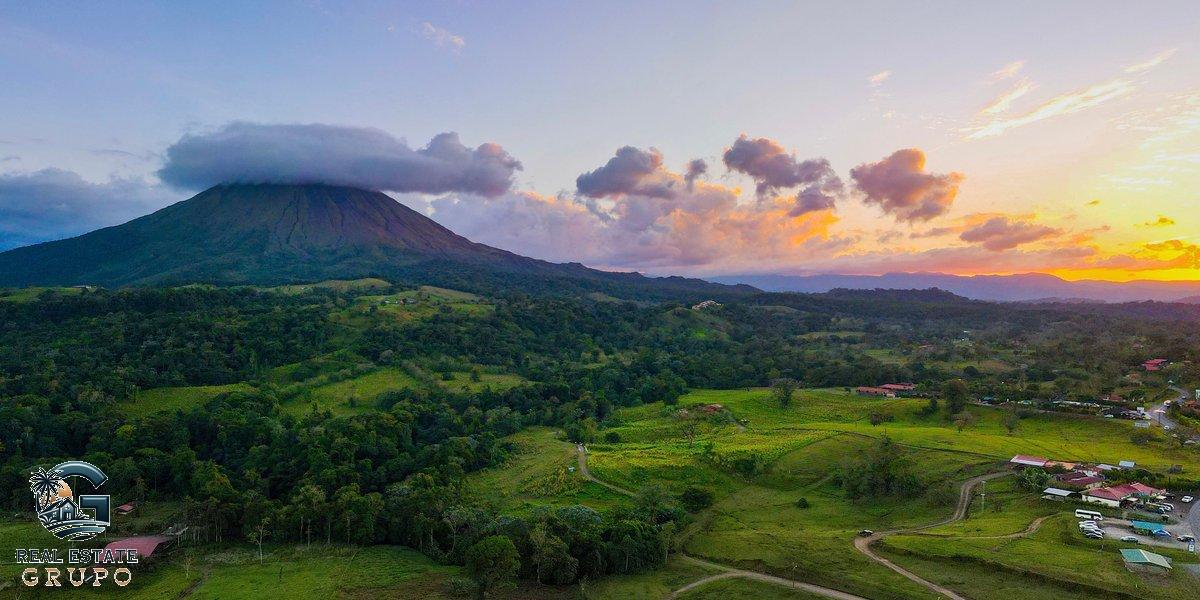
Most deals in Costa Rica start with a purchase-sale agreement called a “promesa de compraventa.” This is a binding contract, not a letter of intent. It locks in the price, the deposit amount (commonly ten percent of the purchase price), and a due-diligence period during which the buyer can exit if serious title or structural problems come up.
The mistake we see most often: buyers wire the deposit before anyone has checked the title. The promesa gets signed on a Friday afternoon, the deposit goes out Monday, and then the attorney runs the registry search the following week. That order puts you at risk. Check the title before you sign the promesa, not after. It takes minutes and the information is pulled directly from official registry data.
Your attorney should also confirm who holds legal possession of the property. In Costa Rica, possession rights (“derechos de posesión”) can exist separately from a registered title, especially on rural land. If a third party has been living on the land and can demonstrate long-term possession, that creates a real legal complication even on a titled property.
How to verify the title in the closing process costa rica real estate
Every titled property in Costa Rica is identified by a “finca” number. Think of it as the property’s permanent ID in the Registro Nacional. That finca record shows the registered owner, the land area, any liens (gravámenes), mortgages, annotations, and encumbrances. A clean title means none of those encumbrances exist, the registered owner matches the person selling to you, and the finca is active.
Your attorney pulls this report from the Registro Nacional, but you do not have to wait for your attorney to see the basic picture. You can run a property check yourself using Folio, whose $29 report pulls live registry data and shows you the finca details, liens, and ownership in one readable report. Knowing what you are looking at before your first attorney meeting puts you in a much stronger negotiating position.
What is the plano catastrado and why does it matter?
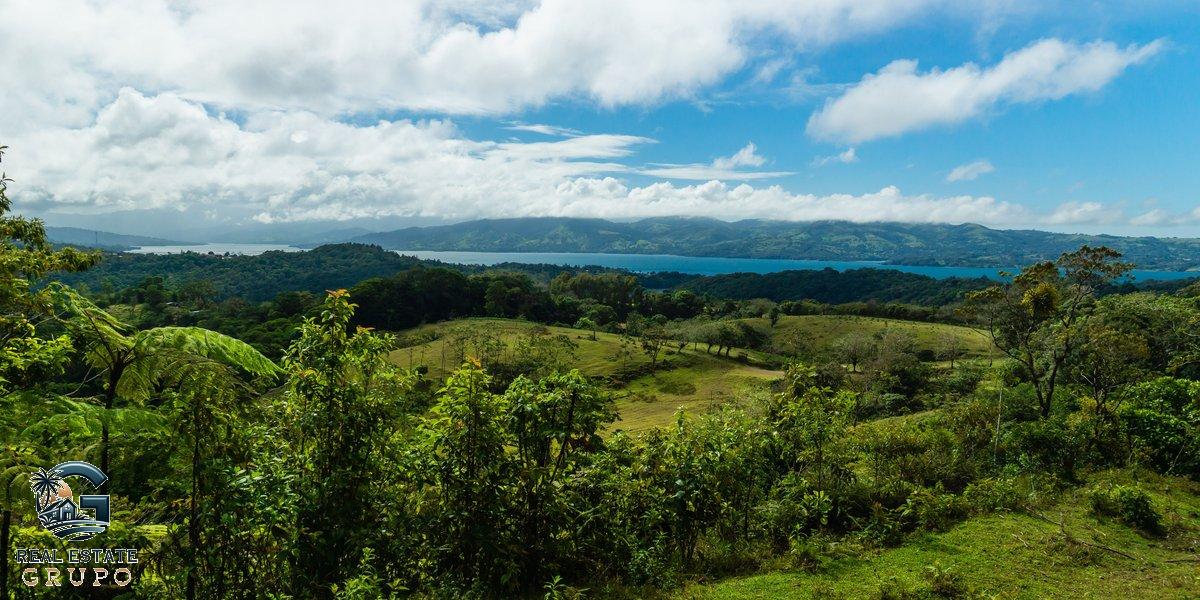
The plano catastrado is the official cadastral survey map of the property. It is registered separately from the finca and describes the exact boundary lines of the land. Your attorney needs to confirm that the plano number referenced in the finca matches the physical boundaries on the ground. A mismatch between the finca and the plano is more common than buyers expect, especially in areas like the Nicoya Peninsula, the Southern Zone near Uvita, and rural parts of the Central Valley where older surveys were done by hand.
If the plano is outdated or inconsistent with the finca, you will likely need a new survey before the notary can draft a clean deed. Budget time for this. Surveyors in Costa Rica (regadores or topógrafos) can take several weeks to complete a formal survey and get it approved by the Catastro Nacional.
Beach properties: what makes maritime zone verification different
Properties within 200 meters of the high-tide line in Costa Rica fall under the Maritime-Terrestrial Zone Law (Zona Marítimo Terrestre, or ZMT). The first 50 meters from the high-tide mark cannot be privately owned by anyone. The next 150 meters is a concession zone where the land is owned by the Costa Rican government, and what you buy is actually a concession permit, not a fee-simple title. These concessions are granted by the local municipality (municipalidad) and need to be renewed.
| Property Type | What You Own | Key Registry Check |
|---|---|---|
| Titled inland property | Fee-simple title (finca) | Registro Nacional finca, plano catastrado |
| Maritime zone concession (ZMT) | Concession permit from municipality | Municipal concession record, ICT approval, renewal status |
| Possession-rights property | No title, only occupation rights | Affidavit, witness testimony, land court records |
For a beach concession, your attorney needs to pull the concession file from the municipality, confirm the concession is active and in the seller’s name, check whether the ICT (Costa Rican Tourism Institute) has approved the concession where required, and verify when the concession expires. Some concessions have restrictions on foreign ownership. Do not skip this layer of checks on any beach or near-beach property.
Corporate-owned properties: what changes when a company holds the finca
A large share of Costa Rica real estate is held inside a Costa Rican corporation (a “sociedad anónima” or S.A., or a “sociedad de responsabilidad limitada” or SRL). When you buy the property, sometimes you buy the shares of that company rather than the land directly. That structure can simplify transfer costs, but it also means you are inheriting every liability the company has ever had.
Your attorney needs to pull the corporate records from the Registro Nacional, confirm the legal representative is authorized to sell, review the company’s minute book (libro de actas), and check whether the company owes any corporate tax (“impuesto a las personas jurídicas”) or has outstanding obligations. A seller who is behind on corporate tax may not be able to transfer the shares cleanly.
Calculating what you will actually pay at closing
Closing costs in Costa Rica are split by convention, but unlike a U.S. transaction, the split is not standardized by state law. The notary fee, transfer taxes, and registration stamps are calculated as a percentage of the declared property value (or the registered fiscal value, whichever is higher). The buyer generally covers the majority of transfer costs, while the seller pays the real estate agent commission.
Use the free closing-cost calculator from Real Estate Grupo to get a realistic cash-to-close figure before you negotiate your offer. Buyers consistently underestimate closing costs, and surprises at the final signing table create delays and hard feelings. Know your number early.
If you are financing part of the purchase, either through a local bank or through seller financing (which is common here), run the numbers through the owner-financing calculator as well. Seller-financed deals in Costa Rica often carry different interest rate structures than what you are used to in the U.S. or Canada, and the terms are usually set in U.S. dollars.
The deed signing and registration: what happens at the notary
Once due diligence is clean and the parties are ready, the notary drafts the “escritura pública,” the public deed transferring ownership. Both buyer and seller (or their legal representatives with a “poder notarial,” a notarized power of attorney) sign in front of the notary. The notary then registers the deed at the Registro Nacional. The finca record updates to show the new owner, usually within a few days to a few weeks after filing, depending on registry workload.
Do not assume the deal is done when you sign the escritura. The deal is done when the Registro Nacional accepts the deed and the finca shows your name or your company’s name as the registered owner. Your attorney should send you a registry confirmation (constancia registral) once the transfer is fully recorded.
Tax and municipal obligations that transfer with the property
Before closing, your attorney should confirm that property taxes (impuesto territorial) paid to the local municipality are current. Costa Rica municipal taxes are low by North American standards, but unpaid balances attach to the land and become your problem after closing. The same applies to any service charges or “derechos municipales” owed to the municipality for water or garbage collection.
The Ministerio de Hacienda administers the national property tax system. Your attorney should confirm that there are no tax liens (hipotecas or gravámenes fiscales) flagged at the national level either. These show up in the Registro Nacional finca record, but it is worth a direct confirmation.
If you plan to rent the property short-term, tax obligations increase. Costa Rica has a rental income tax structure that applies to non-residents. This is a conversation to have with a local accountant before closing, not after you start receiving rental income. And if you are buying as an investment, the free rental ROI calculator from Real Estate Grupo is a practical starting point for projecting your returns before you commit.
Frequently Asked Questions
How long does closing typically take in Costa Rica?
Once a purchase-sale agreement is signed and due diligence starts, the full process from signed promesa to registered deed commonly takes between 30 and 90 days. Beach concession properties or corporate share transfers can take longer because of the additional documentation layers. Delays at the Registro Nacional for deed registration are common and not always predictable, so build buffer time into any plans that depend on a specific closing date.
Do I need to be in Costa Rica to close on a property?
No. You can close remotely using a power of attorney (poder notarial). Your Costa Rica attorney drafts the poder, you sign it before a local notary in your home country, and it is apostilled so it is valid in Costa Rica. This is a standard process and very common for U.S. and Canadian buyers who cannot travel for closing day.
Can foreigners own property outright in Costa Rica?
Yes. Costa Rica’s constitution gives foreigners the same property ownership rights as Costa Rican citizens for titled fee-simple properties. The main exception is maritime zone concessions within the ZMT, where certain restrictions on foreign ownership can apply depending on the specific concession terms and the municipality involved.
What is the difference between a titled property and a concession property?
A titled property has a fee-simple finca registered at the Registro Nacional. You own the land. A concession property in the maritime zone means the land is owned by the Costa Rican government, and you hold a permit (concesión) to use it for a defined term. The concession must be renewed, can be revoked under certain conditions, and may carry restrictions on who can hold it. The verification process for each is different, and the risks are different.
What should I do if I find a lien on a property I want to buy?
Don’t panic, but don’t ignore it either. Liens in Costa Rica can range from a construction loan that the seller is paying down normally, to a judgment lien from a lawsuit, to an unpaid utility debt. Your attorney needs to identify the type and amount of the lien, confirm whether it will be discharged at closing from sale proceeds, and verify that the discharge will be formally registered before or simultaneously with the transfer of title. Never close on a property with an unresolved lien unless your attorney has a clear and documented plan for clearing it.
Before you wire a deposit, check the property first. Run a free scan on Folio. Tap the lot to see its finca number, lot area, boundary and maritime-zone flag in seconds. Folio’s $29 report adds the registered owner, liens and the plano, usually within 24 hours. Then message Leo on WhatsApp at +506 8798 6122 when you are ready to move on a deal.
Browse current Costa Rica listings
These are properties we are working with right now. New ones get added often, so check back, or message us for off-market options that never hit the public site.

5 bedrooms / 5 bathrooms
Puntarenas Province, Santa Teresa, Costa Rica
CASA CEDRO | MAL PAIS
Puntarenas Province, Santa Teresa, Costa Rica
CASA MAREA with $400,000 down
Malpais, Puntarenas Province, Costa Rica
San Isidro Cóbano
Puntarenas Province, Santa Teresa, Costa Rica
Beachfront Villa in Playa Mal País
Puntarenas Province, Santa Teresa, Costa Rica
heart of Santa Teresa
Puntarenas Province, Santa Teresa, Costa RicaOn the ground in Costa Rica, helping US and Canadian buyers find and safely close the right property. Questions? Message Leo on WhatsApp at +506 8798 6122.


Join The Discussion