 English
 Español
 Français
 עברית
 Português


Samara costa rica real estate attracts a particular kind of buyer: someone who wants a real beach town, not a resort bubble. The Pacific-coast village of Sámara sits inside a protected bay on the Nicoya Peninsula, which means the water is calm enough to swim in year-round, the reef breaks the waves, and the community has stayed small enough to feel livable rather than transactional. Prices here have climbed over the past several years, but Sámara still offers meaningful value compared to Tamarindo or Santa Teresa. You can find everything from raw jungle lots above the beach to turn-key condo rentals, small boutique hotels, and beachfront homes with titled land. The catch? The Nicoya Peninsula has some of the most complex land-tenure rules in Costa Rica, and buyers who skip due diligence here get burned.
- Sámara is a calm-bay beach town on the Nicoya Peninsula, popular with families, surfers, and long-term expats who want a real community feel.
- Titled (fee-simple) property exists here, but maritime zone concession land is common near the water. Understanding the difference is critical before you make an offer.
- Due diligence, especially a title and boundary check, is non-negotiable on the Nicoya Peninsula because irregular surveys and overlapping claims are more common than buyers expect.
- Closing costs in Costa Rica typically run in the 3-4% range of the purchase price, split between buyer and seller by negotiation.
What makes Sámara different from other Guanacaste beach towns?
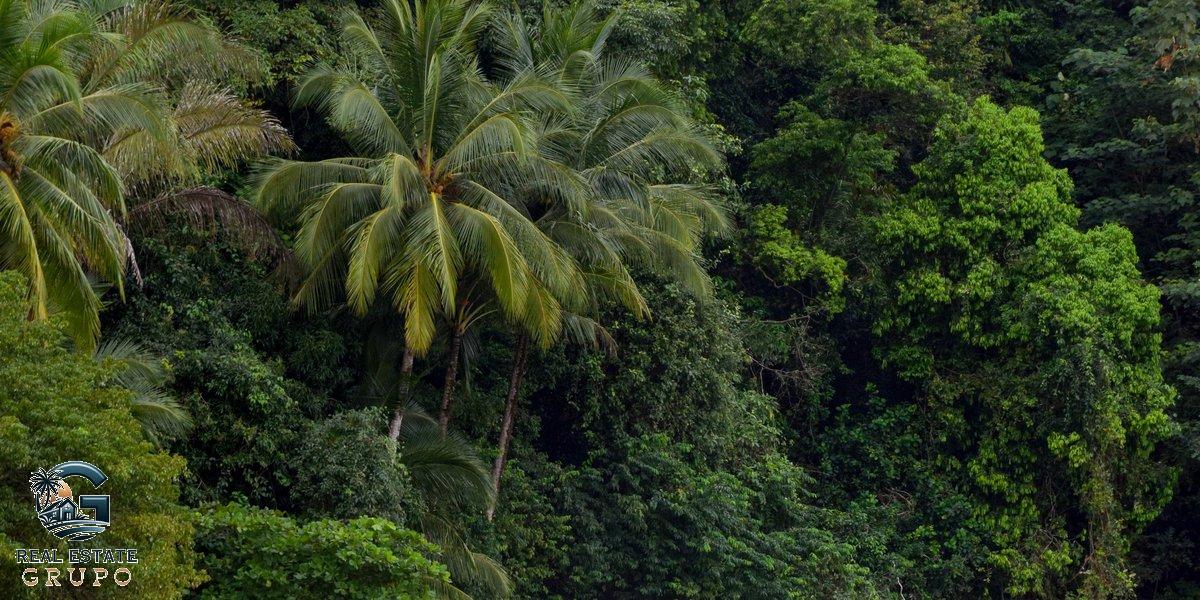
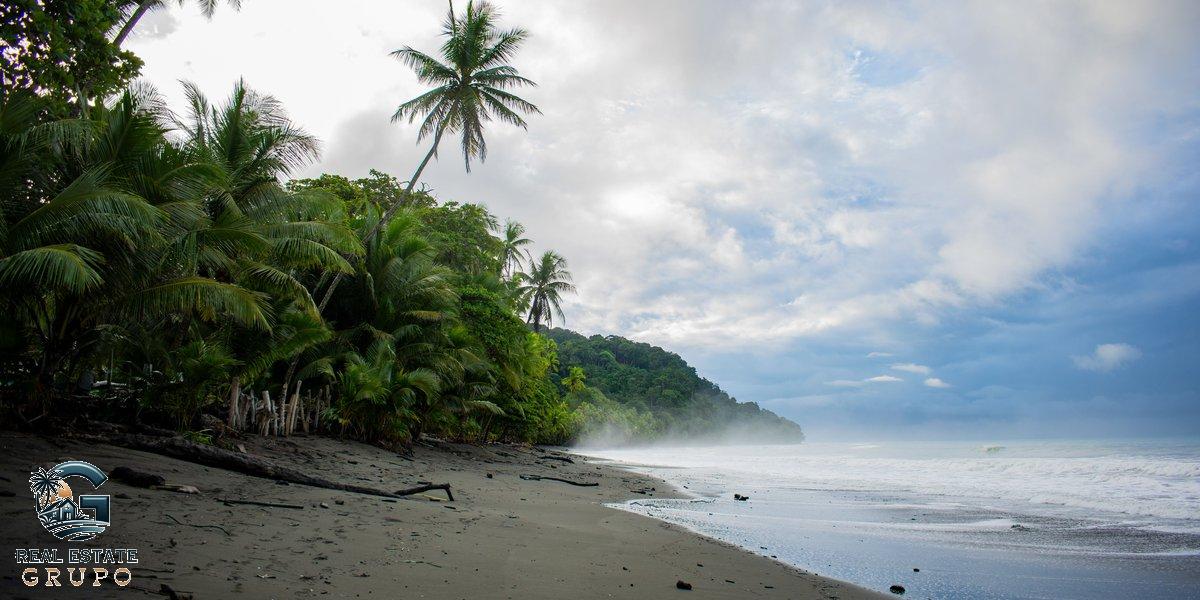
Most Guanacaste beaches are either heavily developed or aggressively promoted. Sámara is neither. The bay curves in a wide crescent, the road into town is still unpaved in stretches, and the community has a genuine mix of Tico (Costa Rican local) families, expat retirees, surfers, and digital nomads. That mix keeps the town honest.
Compare that to Tamarindo, which has become almost entirely service-oriented toward tourists, or Nosara, which sits just north of Sámara on the same peninsula and carries a significantly higher price tag driven by a yoga-and-wellness market. Sámara threads between those two poles. It’s relaxed without being sleepy, and it still has room for new buyers to find real value.
The airstrip just outside town (Aeropuerto de Sámara/Carrillo, code RIX) connects with domestic flights from San José, which matters for buyers who plan to split time between Sámara and the capital or catch international connections. That access is a quiet driver of property demand.
What types of samara costa rica real estate are actually available?
The inventory breaks into a few clear categories. Beachfront land almost always sits inside the maritime zone (zona marítimo terrestre), which means you’re buying a concession, not a fee-simple title. Concession land is legally held by a permit granted by the municipality and governed nationally under the Maritime Zone Law. It is renewable and transferable, but it carries restrictions and cannot be owned by foreigners who haven’t held residency for at least five years, at least not directly.
Move one or two blocks back from the sand and you’ll find titled residential lots, homes, and small commercial properties on private fee-simple land. These are registered with the Registro Nacional, carry a finca number (the property’s unique registry ID), and can be owned directly by a foreign individual or a Costa Rican corporation. Most buyers who want security go this route.
There are also inland lots above the bay, often with partial or full ocean views, which sell on titled land. These have become popular as prices for anything close to the beach have pushed up. Views here can be genuinely dramatic without the legal complexity of coastal concession land.
How does titled land differ from concession land in Sámara?
| Feature | Titled (Fee-Simple) | Maritime Zone Concession |
|---|---|---|
| Registered at Registro Nacional | Yes, full ownership record | Concession file held by municipality |
| Foreign direct ownership | Yes, individual or corporation | Only with 5+ years residency, or via CR corporation with majority CR partners in some cases |
| Mortgage financing available | Yes, from local and international lenders | Very limited, concessions are hard to collateralize |
| Can be sold freely | Yes | With municipal approval and compliance checks |
| Annual cost | Municipal property tax (impuesto territorial) | Concession canon (annual fee paid to municipality) |
How do you run due diligence on a Sámara property?
Start with the finca number. Every titled property in Costa Rica has one, and you can use that number to run a property check on Folio. The free map layer on Folio shows you the lot’s finca number, its area, and its boundary right on the map, in seconds. That’s a fast way to see whether the property matches what the seller is describing before you spend money on attorneys.
For full due diligence, you’ll want Folio’s $29 report, which is human-reviewed and delivered within 24 hours. That report covers the registered owner, any liens or encumbrances, mortgages, annotations, the plano catastrado (official survey plan), title history, and the lot’s exact position relative to the maritime zone. On the Nicoya Peninsula especially, that maritime zone boundary check can be the most important thing in the whole package. Properties that look “titled” on paper sometimes encroach on concession territory, which creates serious legal problems for the new owner.
Your Costa Rican attorney (a notario público, which means a licensed notary-attorney) then takes the Folio findings and conducts a formal study at the Registro Nacional. Don’t skip the attorney even if the report looks clean. Attorneys catch annotation details and pending proceedings that require human interpretation.
What are realistic price ranges in Sámara?
Prices in Sámara genuinely vary, and I’m not going to give you numbers that will be out of date by the time you read this. What I can tell you from working this market: ocean-view lots on titled land above the bay have consistently been among the best value plays in the area because they carry less legal risk than beachfront concession land and still deliver the views buyers want. Small homes and casitas in the village itself, within walking distance of the beach, move quickly when they’re priced right.
Turnkey vacation rental homes with a documented rental history command a meaningful premium over comparable properties without rental track records. If investment return is your goal, use REG’s free rental ROI calculator to model what a property would need to earn to make sense at a given price and financing structure. Don’t rely on verbal projections from a seller.
Can US and Canadian buyers get financing in Costa Rica?
Yes, but you should go in with clear eyes. Local Costa Rican banks can lend to foreigners, but the process involves significant documentation, often a Costa Rican residency requirement, and rates that are typically higher than what you’d see in the US or Canada. The approval timeline can stretch considerably longer than a domestic mortgage.
Owner financing (seller financing) is actually quite common in Costa Rica, particularly for buyers without local banking relationships. Sellers who don’t need immediate liquidity often prefer it. Run the numbers on our owner-financing calculator to see how different rates and terms affect your monthly payment. Many buyers also bring capital from a HELOC or refinance on a US property, which sidesteps the local lending process entirely.
What are closing costs like for buyers in Costa Rica?
Closing costs in Costa Rica typically include transfer taxes, stamp duties, legal fees, and Registro Nacional registration costs. They generally land in the 3-4% range of the declared transfer value, though the split between buyer and seller is negotiable and varies deal by deal. Use REG’s free closing cost calculator to get a clear picture before you go under contract so the final numbers don’t catch you off guard.
The declared value matters because transfer taxes and stamps are calculated on whichever is higher: the fiscal value (registered tax value) or the agreed sale price. Trying to under-declare a sale price to save on taxes is both illegal and a bad idea that creates problems when you eventually sell.
What should you know about environmental rules and building in Sámara?
Sámara sits within a region where environmental compliance genuinely matters. Any significant construction project typically requires review by SETENA (the Secretaría Técnica Nacional Ambiental, Costa Rica’s environmental permitting authority). Projects near wetlands, the maritime zone, or forested areas face additional scrutiny. Building permits are issued by the municipality, and construction without proper permits is unfortunately common, which means a buyer can inherit an illegal structure.
Always confirm that any existing construction on a property you’re buying has a valid permit (permiso de construcción) on file. Your attorney can pull this. It’s not exciting due diligence but it saves enormous headaches later, especially if you want to renovate, expand, or eventually resell.
Is Sámara a good place to earn rental income?
Sámara draws a genuinely year-round rental market, which is not true of every Costa Rican beach town. The green season (roughly May through November) here is milder than in parts of Guanacaste further north, and the protected bay makes it attractive to families even when there’s rain. Surf students, language learners, and long-term nomads also fill rentals outside peak season.
That said, rental income in Sámara is not a guaranteed return. Rental performance depends heavily on the specific property, its condition, location relative to the beach, and how actively it’s managed. Model your expected return with our rental ROI calculator before you commit to a purchase price. Browse current available listings in Sámara and across Costa Rica to get a feel for what’s on the market at different price points.
Frequently Asked Questions
Can a US or Canadian citizen own property directly in Sámara?
Yes. Foreign nationals have the same property ownership rights as Costa Rican citizens for titled (fee-simple) land. You can hold property in your own name or through a Costa Rican sociedad anónima (corporation). Maritime zone concession land has different rules and typically requires legal structuring with the help of a local attorney.
Do I need a Costa Rican attorney to buy property in Sámara?
Yes, and this is not optional. In Costa Rica, real estate transfers must be executed before a notario público, who is both a licensed attorney and a state-appointed notary. They handle the title study, draft the purchase agreement, file the transfer at the Registro Nacional, and ensure taxes and duties are paid correctly. Hire your own attorney independent of the seller or developer.
How do I verify a property’s title before making an offer?
Start by finding the finca number from the seller or listing, then order a $29 Folio report, which covers the registered owner, liens, encumbrances, mortgages, title history, the plano catastrado, and maritime zone position. Your attorney then conducts a formal Registro Nacional search to complete the due diligence picture.
What is the maritime zone and why does it matter in Sámara?
The zona marítimo terrestre is a strip of land running 200 meters inland from the mean high-tide line on Costa Rica’s coasts. The first 50 meters (the public zone) cannot be owned by anyone. The next 150 meters is the restricted zone, where land can only be held via municipal concession. Beachfront property in Sámara almost always sits in this zone, which significantly changes the legal and financing picture.
How long does it take to close on a property in Sámara?
A straightforward titled property purchase with no financing complications typically closes in four to eight weeks once a purchase agreement is signed. The timeline depends on how quickly due diligence clears, how responsive both parties are with documents, and how busy the Registro Nacional is at the time of filing. Concession transfers and properties with complicated title histories take longer.
Want a straight answer from a local team? Message Leo on WhatsApp at +506 8988 5372.
Browse current Costa Rica listings
These are properties we are working with right now. New ones get added often, so check back, or message us for off-market options that never hit the public site.

5 bedrooms / 5 bathrooms
Puntarenas Province, Santa Teresa, Costa Rica
CASA CEDRO | MAL PAIS
Puntarenas Province, Santa Teresa, Costa Rica
CASA MAREA with $400,000 down
Malpais, Puntarenas Province, Costa Rica
San Isidro Cóbano
Puntarenas Province, Santa Teresa, Costa Rica
Beachfront Villa in Playa Mal País
Puntarenas Province, Santa Teresa, Costa Rica
heart of Santa Teresa
Puntarenas Province, Santa Teresa, Costa RicaOn the ground in Costa Rica, helping US and Canadian buyers find and safely close the right property. Questions? Message Leo on WhatsApp at +506 8988 5372.


Join The Discussion