 English
 Español
 Français
 עברית
 Português


Ojochal Costa Rica real estate draws a specific kind of buyer: someone who wants real jungle seclusion, a functioning expat community, and easy access to the Pacific coast, without the crowds that come with Tamarindo or Manuel Antonio. The village sits along the southern stretch of the Costa Ballena, roughly between Dominical to the north and Uvita. It’s one of the most linguistically diverse small towns in the country, with French, Italian, German, and North American residents who arrived years ago and never left. Prices remain lower than the central Pacific hotspots. But the lower price tags also mean thinner liquidity, longer hold times if you need to resell, and title situations that deserve a hard look before you wire anything.
- Ojochal is a small, multicultural village on the southern Costa Ballena with genuine seclusion and lower entry prices than Manuel Antonio or Tamarindo.
- Maritime zone (zona marítimo terrestre) rules affect coastal land here. Concession land is not the same as titled land, and confusing the two is the most common buyer mistake.
- Always run a property check and order a full title report before signing anything. Use Folio to start that process.
- Resale liquidity is lower than in larger markets. Buy because you want to live or rent here long term, not to flip in two years.
What makes Ojochal different from other Costa Ballena towns?
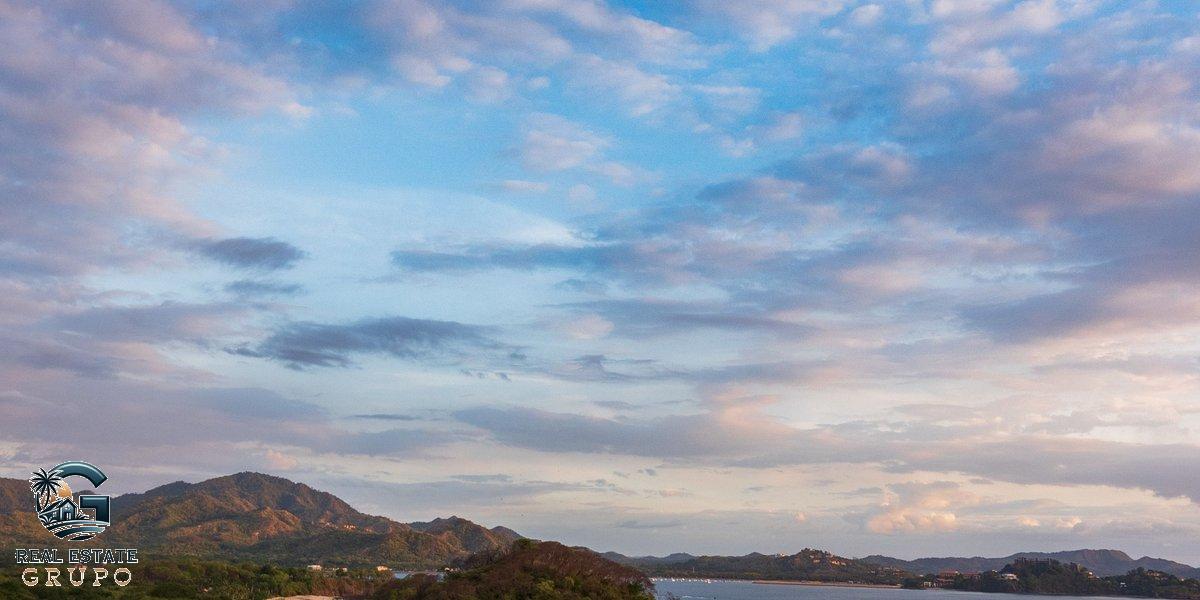
Dominical is louder and younger, built around surf culture. Uvita has the Marino Ballena National Park whale tail and a growing family scene. Ojochal sits quietly between the two, up a hillside, with a restaurant strip on the main road that punches well above the town’s size. You can eat French-Vietnamese fusion one night and wood-fired pizza the next, which tells you everything about the resident mix.
The terrain in Ojochal climbs fast. Many properties sit on steep lots with valley and ocean views. That elevation brings cooler temperatures compared to sea level and keeps rainfall lush year-round. It also means road access matters a lot: a beautiful lot with a terrible rainy-season road is a real problem, not just an inconvenience.
What types of Ojochal Costa Rica real estate are available?
You’ll find three main categories in and around the village. Residential homes, ranging from modest casitas to architect-designed jungle houses. Raw land, which is where a lot of international buyers start. And small commercial properties tied to the restaurant and tourism strip along the main road.
| Property type | Typical situation | Watch for |
|---|---|---|
| Titled hillside lot | Fee-simple ownership registered at the Registro Nacional | Slopes over 30 degrees have build restrictions; verify easements |
| Coastal concession land | Government-owned; you hold a concession permit, not a title | Foreigners cannot hold concessions in the first 50 meters; requires municipal approval |
| Built home | Ranges from basic to high-finish jungle design | Confirm construction permits exist; unpermitted additions are common |
| Commercial strip property | Small restaurant or shop space on the main road | Check zoning and water availability; water access in Osa is complicated |
Is land in Ojochal titled or concession? How do you tell?
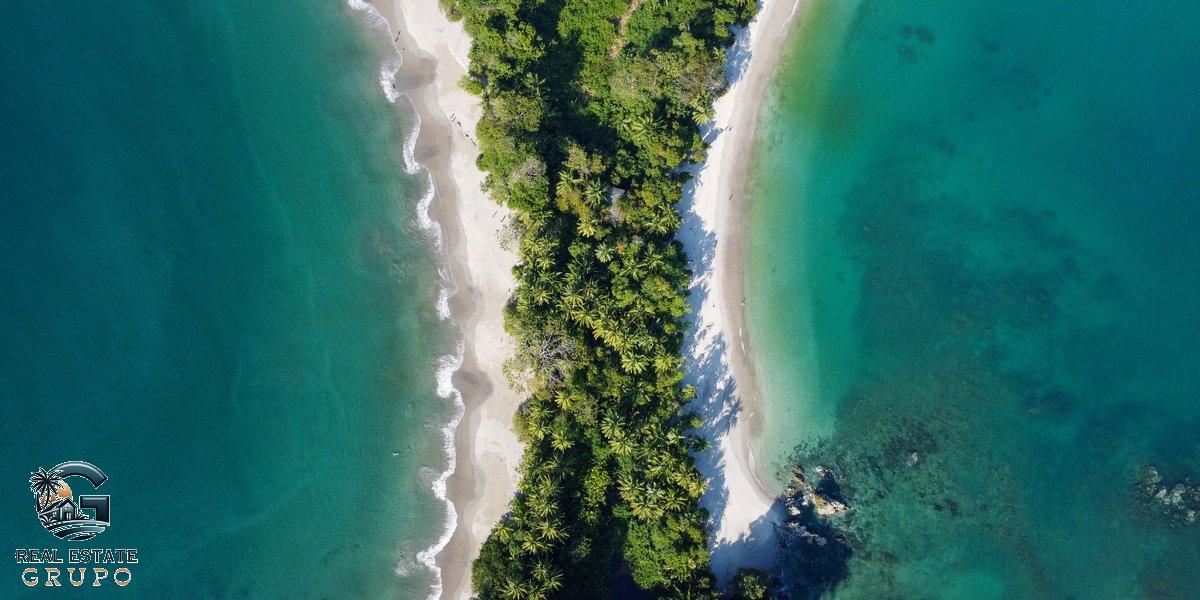
This is the question that separates informed buyers from buyers who learn things the hard way. Costa Rica’s Maritime Zone Law creates a 200-meter public zone from the mean high-tide line. The first 50 meters are always public and cannot be owned or conceded to anyone. The next 150 meters can be granted as a concession (concesión) by the local municipality, in this case the Municipalidad de Osa. A concession is a permit, not a title. You do not own the land. You have the right to use it for a period, subject to renewal and conditions.
Properties farther inland from the coast are more likely to carry a full fee-simple title (inscrita en el Registro Nacional), which is what most North American buyers are used to. The way to start sorting this out quickly is to run a property check on Folio’s free map, which will show you the finca number, lot area, and boundary. To see ownership history, liens, mortgages, or annotations, and to confirm the plano catastrado (the official surveyed map), you need Folio’s $29 report, which is human-reviewed and delivered within 24 hours. That 29-dollar step has saved buyers from very expensive mistakes in this specific area.
What does Ojochal real estate actually cost?
Entry-level raw lots on the hillsides with road access and some view sit in a range that is meaningfully lower than comparable lots in Manuel Antonio or Dominical’s most developed pockets. You can still find half-acre jungle lots without premium views in the low five figures. A half-acre to one-acre lot with ocean views and good road access climbs well above that. Finished homes with quality construction, a pool, and a view ask prices that have risen over the past several years as the area gained recognition.
Don’t take any list price as gospel without checking comparable sold prices, not just listings. Ojochal’s market is thinly traded. One or two outlier listings can make the market look pricier or cheaper than it really is. If the numbers matter to your decision, talk to someone who has closed deals here recently.
Can foreigners legally buy property in Ojochal?
Yes, with full fee-simple titled property, foreigners have exactly the same ownership rights as Costa Rican citizens. The Costa Rican constitution is explicit on this. You don’t need residency. You don’t need a local partner. You can hold property in your own name, in a corporation (sociedad anónima, or S.A.), or in a limited liability company (sociedad de responsabilidad limitada, or S.R.L.).
How you hold title has tax, liability, and estate-planning implications. Most buyers work with a Costa Rican attorney who specializes in real estate. That is not optional in my view. The legal fee at closing is reasonable relative to the protection it buys you, and a good attorney will catch problems that a buyer would miss entirely.
What are the closing costs for buying in Ojochal?
Costa Rica closing costs typically include transfer taxes, stamp duties, notary and legal fees, and Registro Nacional registration fees. They are calculated on the declared purchase price and generally run in a range that surprises buyers who are used to US closing cost structures. Use REG’s free closing-cost calculator to run your own numbers before you negotiate, so you know your all-in cost, not just the sticker price.
One thing worth knowing for Ojochal specifically: if you’re buying through a corporation transfer rather than a direct property transfer, the cost and process are different. Some sellers prefer to sell shares of a corporation that holds the property. Each method has trade-offs. Your attorney needs to advise you on which structure makes sense given the specific deal.
What should you check before making an offer in Ojochal?
Title first, always. Use Folio to locate the finca number on the free map and confirm the lot boundaries match what’s being shown to you. Then order the $29 Folio report to get ownership history, any liens, mortgages, encumbrances, or annotations on the title. That report is not a substitute for a full attorney review, but it gives you fast, human-verified information before you spend money on lawyers and site visits.
Beyond title, check road access in the rainy season, not just a dry-season visit. Confirm water source and water availability. In the Osa Peninsula area, municipal water (ASADA systems, which are community water boards) can be limited. Some properties rely on wells. Confirm what permits exist for any structures on the lot. And if you’re considering a beachfront or near-coast property, confirm the maritime zone status with clarity before you go further. The ICT (Costa Rican Tourism Institute) and local municipal records govern maritime zone concessions.
Is Ojochal a good area for rental income?
The Costa Ballena attracts eco-tourists, whale-watching visitors (Marino Ballena is nearby), and long-stay remote workers. Ojochal has a small but consistent short-term rental market, and some properties do well on platforms like Airbnb because the restaurant scene gives guests a reason to stay multiple nights rather than just passing through. That said, it is not a volume market. You won’t fill a rental property here the way you might in Tamarindo or Jacó during peak season.
Longer-term rentals to expats and remote workers are a real option. If rental income is part of your plan, model it honestly. Use REG’s rental ROI calculator to stress-test the numbers against realistic occupancy rates, not best-case ones. A property that covers costs with 40% occupancy is a different investment than one that needs 80% to break even.
Frequently Asked Questions
Is Ojochal safe for foreign buyers?
Ojochal has a long-established expat community and a generally quiet, community-oriented atmosphere. Like anywhere in Costa Rica, basic security awareness matters: secure your property, know your neighbors, and don’t leave valuables visible. The bigger risk for buyers is title and legal risk, not personal safety.
How far is Ojochal from San José?
It’s roughly a four-hour drive from San José via the Costanera Sur highway. The nearest domestic airport with regular service is Palmar Sur (about 30 minutes), with connections to San José. Quepos airport is also an option, farther north but with more flight frequency.
Can I get financing to buy property in Ojochal?
Traditional US or Canadian mortgage financing does not extend to Costa Rican property. Local bank financing for foreigners exists but comes with higher rates and stricter requirements than you’re used to. Seller financing (owner financing) is common and worth exploring. Run your numbers with REG’s owner-financing calculator to see how different terms affect your monthly cost.
What taxes do I pay as a property owner in Ojochal?
You’ll pay an annual municipal property tax (impuesto sobre bienes inmuebles) to the Municipalidad de Osa, calculated on the declared registered value of the property. Luxury homes above a certain value threshold also pay a separate solidarity tax (impuesto solidario). Tax filings and payments go through Ministerio de Hacienda. Your attorney or a local accountant can walk you through both obligations.
What’s the difference between buying in Ojochal versus Dominical or Uvita?
Dominical has more surf-focused tourism energy and some commercial development. Uvita is growing faster, with more family buyers and the national park as a magnet. Ojochal is quieter and more established as a residential community, with the restaurant scene as its main draw. Entry prices are often lower in Ojochal, but so is short-term rental volume. The choice comes down to lifestyle fit. Browse available listings in all three areas to compare what’s actually on the market right now.
Want a straight answer from a local team? Message Leo on WhatsApp at +506 8988 5372.
Browse current Costa Rica listings
These are properties we are working with right now. New ones get added often, so check back, or message us for off-market options that never hit the public site.

5 bedrooms / 5 bathrooms
Puntarenas Province, Santa Teresa, Costa Rica
CASA CEDRO | MAL PAIS
Puntarenas Province, Santa Teresa, Costa Rica
CASA MAREA with $400,000 down
Malpais, Puntarenas Province, Costa Rica
San Isidro Cóbano
Puntarenas Province, Santa Teresa, Costa Rica
Beachfront Villa in Playa Mal País
Puntarenas Province, Santa Teresa, Costa Rica
heart of Santa Teresa
Puntarenas Province, Santa Teresa, Costa RicaOn the ground in Costa Rica, helping US and Canadian buyers find and safely close the right property. Questions? Message Leo on WhatsApp at +506 8988 5372.


Join The Discussion