 English
 Español
 Français
 עברית
 Português


The single smartest move you can make before booking your flight is to check Costa Rica property before visiting. Too many buyers land in Tamarindo or the Central Valley, fall in love with a place on day two, and wire a deposit before anyone has pulled the official registry data. That order of operations is backwards. You can verify title status, confirm there are no liens, check whether a property sits in a maritime zone (zona maritimo terrestre), and review the cadastral map (plano catastrado) from your kitchen table in Dallas or Toronto. Doing that homework before you travel protects your time, your money, and your excitement.
- You can verify Costa Rica property records remotely using the Registro Nacional before ever visiting.
- Maritime-zone (concession) properties carry different legal rules than titled land. Know which type you are looking at first.
- Liens, annotations, and encumbrances show up in the official finca record and can be checked before you fly.
- A pre-visit property check saves you from touring homes that have legal clouds that would kill the deal anyway.
Why Should You Check a Costa Rica Property Before Visiting?
Here is the mistake we see most: a buyer spends three thousand dollars flying down, renting a car, and staying in Nosara for a week, only to discover the property they loved has an unresolved lien or sits on concession land the seller cannot actually transfer cleanly. That discovery kills the deal. The trip was not wasted, exactly, but it was expensive and deflating.
Running a pre-visit check costs you nothing and takes less than an hour. You get the finca number (Costa Rica’s property registry ID), pull the title chain, see any registered encumbrances, and confirm the plano catastrado matches the physical lot the seller is marketing. If something looks off, you ask the seller about it before you get emotionally attached to the view.
What Is the Finca Number and Why Does It Matter?
Every piece of titled property in Costa Rica has a finca number. Think of it like a parcel ID in the US. The finca record lives at the Registro Nacional and shows the owner of record, a legal description, registered liens, mortgages, annotations, and any legal actions affecting the property. If a seller cannot give you the finca number, that is itself a red flag.
Once you have the finca, you can run a property check and order the $29 report that pulls this data into plain English so you do not have to interpret raw Spanish legal text. The report will flag annotations (anotaciones), which are temporary holds, and gravamenes, which are registered encumbrances like mortgages or easements.
What Is the Difference Between Titled Land and a Maritime Zone Concession?
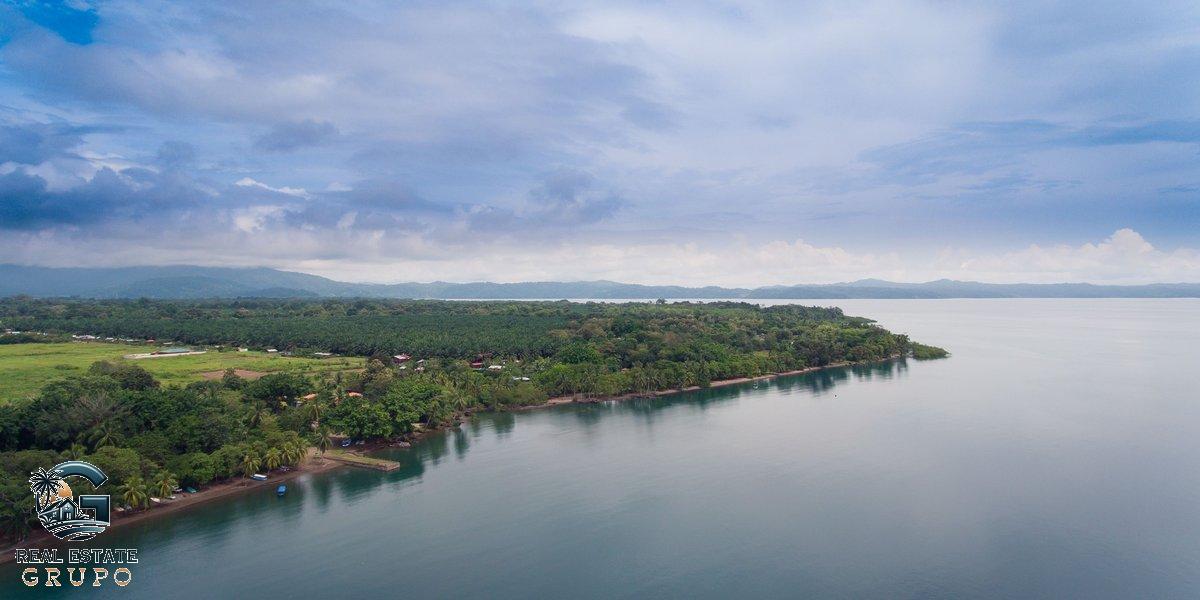
This is the one distinction that surprises North American buyers the most. Costa Rica’s Ley de la Zona Maritimo Terrestre (Maritime Zone Law) reserves the first two hundred meters from the mean high-tide line as a restricted zone. The first fifty meters are public and cannot be owned by anyone. The next one hundred fifty meters can be held under a concession granted by the local municipality, not under fee-simple title like you have back home.
| Feature | Titled Property | Maritime Zone Concession |
|---|---|---|
| Ownership type | Fee-simple title at Registro Nacional | Concession from municipality, renewable |
| Foreigners can own? | Yes, directly | Only if resident for 5+ years, otherwise through a Costa Rican partner or corporation with restrictions |
| Bank financing | Generally available | Much harder to finance, fewer lenders |
| Risk of non-renewal | Not applicable | Municipality can deny renewal under certain conditions |
The practical takeaway: if you are looking at beachfront in Guanacaste, the Nicoya Peninsula, or the Caribbean coast, find out immediately whether it is titled or concession. You can confirm this in a pre-visit report. Concession properties are not necessarily bad investments, but the legal structure is different and your attorney’s diligence process will look different too.
How Do You Check a Costa Rica Property Remotely Before Your Trip?
Start by getting three pieces of information from the seller or agent: the finca number, the plano catastrado number (the cadastral survey ID), and the province where the property is registered. With those, you can verify the property through Folio, which pulls live data from the official registry and presents it in a clear, readable format.
Here is what a good pre-visit check covers. First, confirm the person selling the property actually appears as the registered owner. It sounds basic, but mismatches happen, especially in estate situations or when a property is held in a sociedad anonima (S.A., a Costa Rican corporation). Second, look for any liens, mortgages, or legal annotations on the finca. Third, cross-reference the cadastral plan to see whether the boundaries on paper match what the listing is showing you. Fourth, if the property is near the coast, check its maritime zone classification.
What About Zoning and Environmental Restrictions?
Costa Rica has meaningful land-use zoning and environmental protections that can limit what you build or how you use a property. Before visiting, ask the agent for the uso de suelo (land-use certificate) from the local municipality. This document tells you whether the parcel is zoned residential, commercial, agricultural, or something else.
If there is any existing structure or the seller is marketing a project as having construction permits, ask for the SETENA (environmental impact assessment agency) approval number if the project required one. You can cross-reference permits with SETENA before you get on a plane. Properties inside or adjacent to biological reserves, wetlands, or national parks can face strict limitations that will affect your plans completely.
Should You Worry About Property Taxes Before You Buy?
Yes, and here is why. Costa Rica charges an annual property tax (impuesto sobre bienes inmuebles) administered by municipalities, typically calculated on the registered value. If a previous owner let taxes lapse, those arrears attach to the property and become your responsibility at closing. You can check tax standing through the local municipality or confirm it in your attorney’s diligence. For context on how taxes and other costs factor into your purchase, use REG’s closing-cost calculator to get a realistic number before you make an offer.
Is Owner Financing Available and How Do You Evaluate It Remotely?
Owner financing (seller financing) is more common in Costa Rica than most US buyers expect. Some sellers, especially on higher-value rural or beachfront parcels, will carry a note directly rather than requiring a cash sale or a local bank mortgage. Before you visit a property being offered with seller terms, use REG’s owner-financing calculator to model the real cost of those terms versus cash. Knowing your numbers before you sit across from a seller is a significant negotiating advantage.
How Do You Find Listings Worth Checking Before You Travel?
Start with markets you have already researched. Buyers serious about Guanacaste often focus on the Tamarindo corridor, Flamingo, or the Gold Coast near Playas del Coco. The Southern Zone attracts a different buyer, typically someone interested in more land, more privacy, or eco-oriented projects. The Central Valley, particularly Santa Ana and Escazu, suits buyers who want proximity to hospitals, international schools, and city infrastructure without sacrificing climate. Browse the REG listings to get a feel for current inventory across these zones before committing to a visit.
Frequently Asked Questions
Can a foreigner own property in Costa Rica outright?
Yes. Costa Rica’s constitution allows foreigners to own titled property under the same conditions as citizens. You do not need residency to buy fee-simple titled land. The exception is maritime zone concessions, where non-residents face restrictions on holding the concession directly.
What is a plano catastrado?
A plano catastrado is the official cadastral survey plan for a property. It is filed at the Registro Nacional and shows the legal boundaries, dimensions, and geographic location of the parcel. The plano number should match what is referenced in the finca record. Discrepancies between the plano and the physical land are a serious issue that needs resolving before closing.
How long does a property check take?
Using an online tool like Folio, you can get a property report in minutes. A full legal due-diligence review by a Costa Rican attorney will take longer and should be done after you have a purchase agreement in place, but the initial remote check to screen a property before visiting can happen the same afternoon you find a listing that interests you.
What happens if there is a lien on the property?
A registered lien (gravamen) does not automatically kill a deal, but it must be resolved before title transfers cleanly. The lien holder has to be paid off or the annotation removed from the finca record before closing. Your attorney manages this process. What matters is discovering the lien before you emotionally commit or put down earnest money, which is exactly why a pre-visit check matters.
Does Costa Rica have foreclosed or distressed properties?
Yes. Some properties end up in judicial process (remate judicial) through the Poder Judicial court system. These can offer value but carry additional complexity. Title research on any distressed property is even more critical, as encumbrances and competing claims are more common in these situations.
Before you wire a deposit, check the property first. Run a free scan on Folio. Tap the lot to see its finca number, lot area, boundary and maritime-zone flag in seconds. Folio’s $29 report adds the registered owner, liens and the plano, usually within 24 hours. Then message Leo on WhatsApp at +506 8798 6122 when you are ready to move on a deal.
Browse current Costa Rica listings
These are properties we are working with right now. New ones get added often, so check back, or message us for off-market options that never hit the public site.

5 bedrooms / 5 bathrooms
Puntarenas Province, Santa Teresa, Costa Rica
CASA CEDRO | MAL PAIS
Puntarenas Province, Santa Teresa, Costa Rica
CASA MAREA with $400,000 down
Malpais, Puntarenas Province, Costa Rica
San Isidro Cóbano
Puntarenas Province, Santa Teresa, Costa Rica
Beachfront Villa in Playa Mal País
Puntarenas Province, Santa Teresa, Costa Rica
heart of Santa Teresa
Puntarenas Province, Santa Teresa, Costa RicaOn the ground in Costa Rica, helping US and Canadian buyers find and safely close the right property. Questions? Message Leo on WhatsApp at +506 8798 6122.


Join The Discussion