 English
 Español
 Français
 עברית
 Português


Costa Rica vacation rental income can be genuinely strong, but it varies a lot depending on location, property type, and how hands-on you’re willing to be as an owner. The top-performing markets, think Manuel Antonio, Tamarindo, and the Papagayo Peninsula, see solid bookings through the high season (December through April) and respectable shoulder-season demand too, especially from North American remote workers and families. A well-managed beachside villa or jungle retreat can pay its own way, cover carrying costs, and still turn a profit. But you need to go in with accurate expectations, not the numbers a motivated seller throws at you. This guide breaks down what real owners experience, where the money comes from, and what quietly eats into returns before they hit your bank account.
- High season (Dec-Apr) drives the bulk of annual revenue in most Costa Rica markets; plan your financial model around it.
- Property management fees, platform commissions, and local taxes meaningfully reduce gross rental income.
- Location and title type (titled land vs. maritime zone concession) affect both rental demand and your ability to finance or sell.
- Use real occupancy data from comparable listings before you buy, not projected figures from a seller.
How much can you realistically earn from Costa Rica vacation rental income?
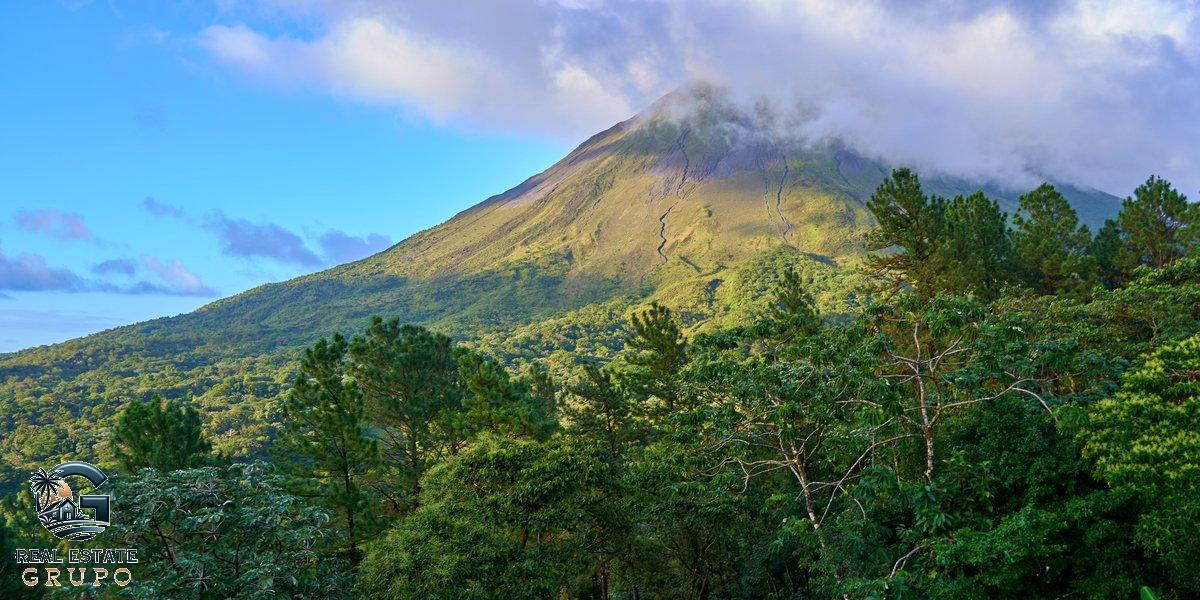
There’s no single honest answer, because a three-bedroom home in Nosara does not perform like a studio condo in Jaco. What you can say broadly is that well-located, well-managed properties in established tourist corridors earn enough to cover their operating costs and generate net income on top. Some owners cover their entire mortgage payment through rental revenue. Others barely break even if they bought at the top of the market without running the numbers first.
The most reliable way to pressure-test projected income is to look at active Airbnb and VRBO listings in the same neighborhood, filter by similar bedrooms and amenities, and note both the nightly rate and the visible booking calendar. That gives you real occupancy data, not a seller’s pitch deck. You can also use our free rental ROI calculator to model different scenarios before you commit to a property.
Which areas generate the strongest vacation rental returns?
Certain corridors in Costa Rica consistently outperform others for short-term rental income. Here’s a honest region-by-region comparison based on what we see in the market.
| Region | Rental Profile | Peak Season | Watch Out For |
|---|---|---|---|
| Tamarindo / Guanacaste North | High volume, competitive market | Dec-Apr, also July-Aug | Over-supply of condos |
| Manuel Antonio / Quepos | Premium rates, strong year-round | Dec-Apr | Road access, humidity on gear |
| Nosara / Nicoya Peninsula | Wellness/surf niche, loyal repeat guests | Dec-Apr, shoulder strong | Dirt roads, limited services |
| Papagayo Peninsula | Luxury tier, high nightly rates | Dec-Apr | HOA fees, concession land |
| Jaco / Central Pacific | Year-round traffic, entry-level prices | Weekends year-round | Party-focused clientele, wear and tear |
| Southern Zone (Uvita/Dominical) | Growing, eco-tourism focus | Dec-Apr | Longer green season, access |
The Papagayo area deserves a special note. Some of those properties sit on maritime zone concession land (zona maritima terrestre), which means you don’t hold a fee-simple title. You hold a concession granted by the local municipality. That affects how you can finance, how you sell, and what due diligence looks like. Always check the title and concession status before you get emotionally attached to a property.
What expenses actually reduce your net rental income?
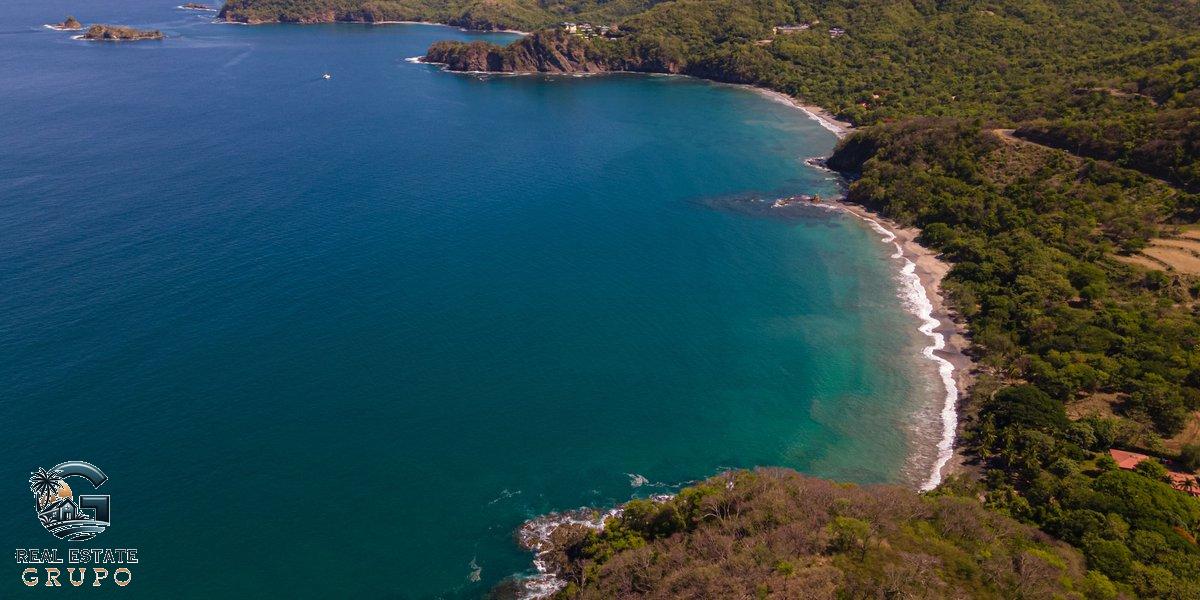
Gross rental revenue is the number that looks good in a brochure. Net income is what you actually keep. The gap between the two surprises a lot of first-time buyers.
Platform commissions from Airbnb and VRBO typically run in the range of 3% to 5% for the host side, but that does not include the guest service fee. Property management companies in Costa Rica generally charge somewhere between 20% and 30% of gross revenue. You’ll also pay for cleaning between stays, pool and garden maintenance, internet, utilities, occasional repairs, and a property manager’s emergency call-out fees.
On top of operations, you have fixed costs. Costa Rica requires owners to register as a tourism rental provider with the Instituto Costarricense de Turismo (ICT), the national tourism authority. There are annual property taxes (impuesto sobre bienes inmuebles) paid to the local municipality, and if your rental income crosses certain thresholds, you have an income tax obligation to Ministerio de Hacienda, Costa Rica’s tax authority. A local accountant familiar with rental income is not optional. It’s a necessary line item.
Does the property title type affect rental income potential?
Yes, and buyers from the US and Canada are often caught off guard by this. Costa Rica has multiple land-tenure types. Titled property (propiedad inscrita) registered at the Registro Nacional is the clearest and most bankable. Maritime zone concessions are legal but more complex. There are also properties that sit in restricted zones, near rivers, or inside national park buffer areas where short-term rental operations may face regulatory limits from SETENA, the environmental permitting agency.
Before you buy anything marketed as a rental income property, run a property check to verify the finca number (property registration ID), then use Folio’s $29 report to confirm there are no liens or encumbrances and to see the plano catastrado (the official cadastral survey map showing boundaries). Title problems don’t always show up on a listing page or even in a basic attorney review if the attorney isn’t doing a thorough search.
How does financing affect your rental income math?
Most US and Canadian buyers pay cash or use home-equity financing from back home, because Costa Rican bank financing for foreign buyers is possible but more involved. If you’re carrying a mortgage on the property, your rental income needs to cover more ground. Run a realistic debt-service calculation before you fall in love with a property.
Some sellers in Costa Rica offer owner financing (financiamiento del vendedor), which can mean lower upfront costs and more flexibility. Our owner financing calculator can show you what that structure looks like across different terms and interest rates. Either way, knowing your full monthly carrying cost is the only way to judge whether the rental income potential actually makes sense for your situation.
Closing costs in Costa Rica are also real. Transfer taxes, legal fees, and registration costs add up. Use the closing cost calculator to get a realistic picture before you make an offer, so you’re not surprised at the notary’s office.
What does property management actually look like for remote owners?
Most North American owners aren’t living in Costa Rica full-time, so they depend on a local property manager to handle guest check-ins, cleaning coordination, maintenance issues, and platform management. Quality varies enormously between operators. A good manager will send you monthly statements, handle emergencies fast, and keep occupancy steady. A bad one will let bookings slip, ignore maintenance until it becomes expensive, and give you vague reports.
Interview at least two or three management companies before you buy in a specific area. Ask for references from current owners they manage for. Ask what happens when there’s a plumbing emergency at 2am. Ask how they handle guest disputes on Airbnb. These conversations tell you a lot. If a property manager can’t answer specific questions confidently, that’s useful information.
You can also browse available properties to get a sense of what’s currently on the market in each region, which helps calibrate your expectations before you start talking to managers.
Frequently Asked Questions
Do I need to pay taxes on vacation rental income in Costa Rica?
Yes. If you earn rental income in Costa Rica, you have tax obligations under local law. How those obligations are structured depends on whether you’re operating as an individual or through a Costa Rican corporation (sociedad anonima or S.A.), and on your income level. A local accountant familiar with rental income and the Hacienda requirements is essential.
Can a foreigner legally operate a vacation rental in Costa Rica?
Yes. Foreigners have the same property rights as citizens in Costa Rica, with the exception of maritime zone concession land, which has its own rules. To operate legally as a short-term rental, you should register with the ICT and comply with local municipal and tax requirements. It’s more paperwork than many buyers expect, but it’s straightforward with the right local help.
What’s the difference between green season and high season for rentals?
High season (temporada alta) runs roughly December through April, when rainfall is low and North American tourists are most active. Green season (temporada verde, sometimes called rainy season) runs roughly May through November. Occupancy and nightly rates typically drop during green season in most regions, though some markets, like Nosara with its surf community, hold up better than others. Your annual income model needs to account for both.
Is it better to buy a condo or a standalone house for vacation rental income?
It depends on your budget, management preference, and target guest. Condos in gated communities often come with easier maintenance, shared amenities, and established HOA management, but they also come with HOA fees and restrictions on rentals. Standalone houses or villas tend to command higher nightly rates and attract larger groups, but require more active management. Neither is universally better. Run the numbers for the specific property, not the category.
How do I verify a property’s rental income history before buying?
Ask the seller for documented payout reports from the booking platforms (Airbnb, VRBO, Booking.com) or bank statements showing deposits. Cross-reference what you see with active comparable listings in the area using publicly visible calendars and pricing. Also verify the property’s legal status with a proper title check, because encumbrances or zone restrictions can affect your ability to legally operate rentals at all.
Want a straight answer from a local team? Message Leo on WhatsApp at +506 8798 6122.
Browse current Costa Rica listings
These are properties we are working with right now. New ones get added often, so check back, or message us for off-market options that never hit the public site.

5 bedrooms / 5 bathrooms
Puntarenas Province, Santa Teresa, Costa Rica
CASA CEDRO | MAL PAIS
Puntarenas Province, Santa Teresa, Costa Rica
CASA MAREA with $400,000 down
Malpais, Puntarenas Province, Costa Rica
San Isidro Cóbano
Puntarenas Province, Santa Teresa, Costa Rica
Beachfront Villa in Playa Mal País
Puntarenas Province, Santa Teresa, Costa Rica
heart of Santa Teresa
Puntarenas Province, Santa Teresa, Costa RicaOn the ground in Costa Rica, helping US and Canadian buyers find and safely close the right property. Questions? Message Leo on WhatsApp at +506 8798 6122.


Join The Discussion