 English
 Español
 Français
 עברית
 Português


To buy land in Costa Rica gives you maximum control. You choose the architect, the layout, the finishes, and you build exactly what works for your life or your investment strategy. A built home, on the other hand, gets you into the market faster, with known costs and zero construction headaches. Neither is universally better. The right choice depends on your timeline, your tolerance for complexity, and which part of the country you’re targeting. After years of working with buyers from the US and Canada, here’s what I see: buyers underestimate how different these two paths really are, and that gap in expectations causes most of the frustration.
- Buying land offers flexibility and lower entry cost, but construction timelines and permit delays are real risks in Costa Rica.
- Built homes close faster and carry predictable costs, but you inherit whatever the previous owner built, permitted or not.
- Maritime zone land (within 200 meters of the ocean) cannot be privately owned and requires a concession, not a titled deed.
- Either path needs a proper legal check before you commit. Run a property check on Folio early to confirm the finca number, lot size, and boundaries.
What does it actually mean to buy land in Costa Rica?
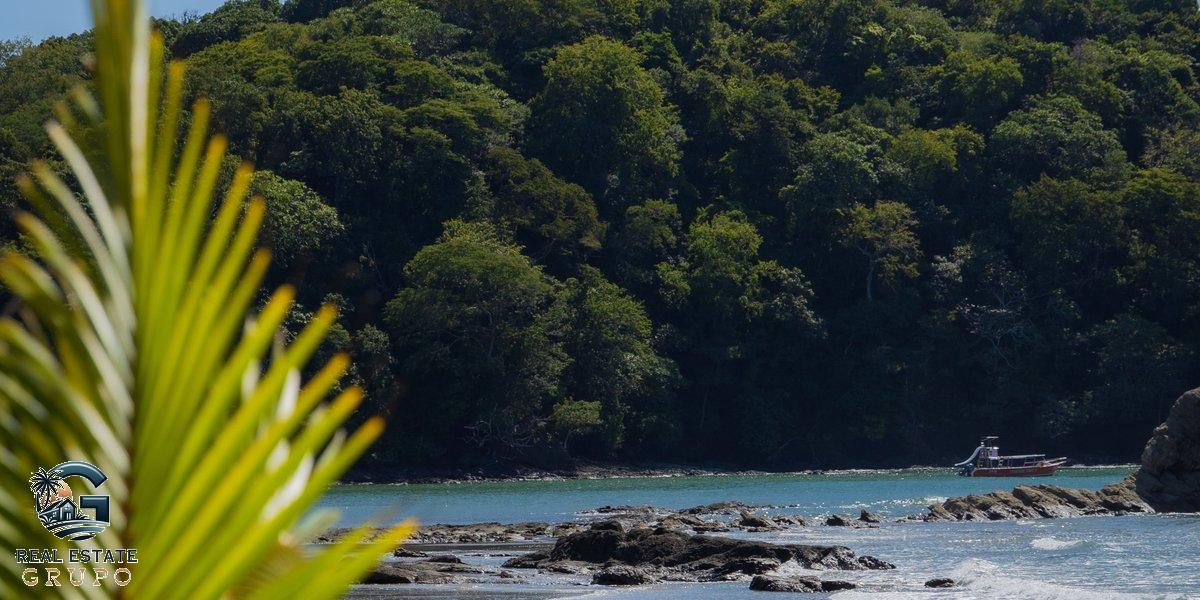
Most land in Costa Rica is sold one of two ways: titled (escritura pública, meaning a registered deed at the Registro Nacional) or as a concession in the maritime zone. Titled land is what you’d recognize from back home. A concession is a government-granted right to use land inside the 200-meter coastal strip, and it comes with its own rules, renewal requirements, and restrictions on foreign ownership in the first 50 meters.
That distinction matters enormously. A lot marketed as “beachfront” in Tamarindo, Nosara, or Dominical could be titled, concession, or some combination. Don’t assume. The cheapest lots in prime beach zones are almost always in the maritime zone, and the legal complexity there is higher than most buyers expect.
Is land cheaper than a built home in Costa Rica?
Raw land typically has a lower purchase price, yes. But “lower price” and “lower total cost” are not the same thing. Once you add architectural fees, engineering surveys, SETENA environmental permits (required for most construction projects near rivers, coasts, or sensitive zones), municipal permits, and actual construction costs, the gap closes fast. In many popular corridors like the Central Valley, the Nicoya Peninsula, or the South Pacific, construction costs per square meter have risen significantly in recent years due to imported materials and local labor demand.
A built home gives you a fixed number. You pay it, you own it, you’re done. Land gives you a variable that depends on dozens of decisions you haven’t made yet. Both can be great investments. Neither is automatically the “deal.”
How does the permit process affect land buyers?
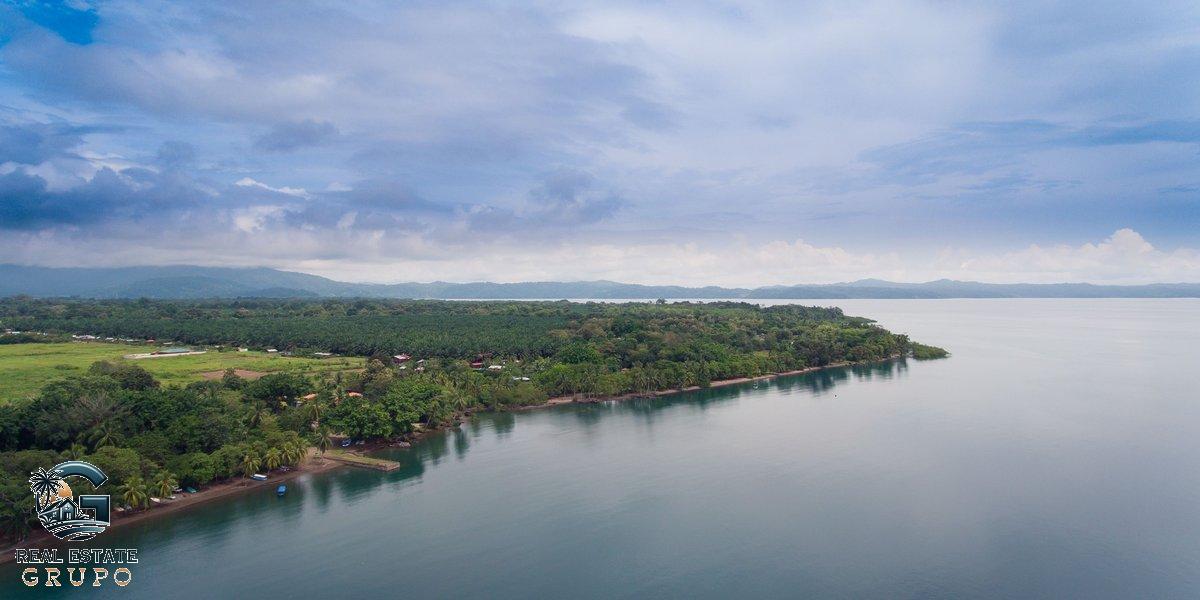
This is where many buyers from the US and Canada get caught off guard. Permitting in Costa Rica is a multi-agency process. Depending on your lot’s location and what you plan to build, you may need approvals from the municipality, SETENA (the environmental agency, Secretaría Técnica Nacional Ambiental), AyA (the water utility), MINAE if there are water source restrictions, and the ICT if your project is in the maritime zone. Each agency runs on its own timeline.
Permits in busy municipalities like Santa Teresa or Tamarindo can take six months to over a year. If you’re buying land with plans to start building right away, build that timeline into your expectations. Buyers who don’t plan for it often end up holding a lot they can’t build on as fast as they hoped, which ties up capital.
What are the real advantages of buying a built home?
Speed is the big one. A built home in a place like Atenas, Grecia, or Escazú can close in 45 to 90 days once you’ve done your due diligence. You can rent it, live in it, or list it on the vacation rental market almost immediately. That matters a lot if you’re moving on a timeline or if you’re an investor trying to generate income quickly.
You also get to see exactly what you’re getting. The view from the terrace, the actual size of the kitchen, the quality of the construction. That transparency is valuable. The mistake we see most with built homes is buyers skipping a proper building inspection. Costa Rica doesn’t have a standardized home inspection industry the way the US does, so you need to be deliberate about hiring a structural engineer or a qualified inspector before you close.
Land vs. built home: a side-by-side comparison
| Factor | Raw Land | Built Home |
|---|---|---|
| Entry price | Usually lower upfront | Higher upfront, all-in cost known |
| Total cost certainty | Low. Construction costs vary widely | High. What you see is what you pay |
| Time to use/rent | Often 1.5 to 3+ years with permits and build | 45 to 90 days to close and use |
| Customization | Total control over design | Limited without major renovation |
| Legal complexity | Higher, especially in coastal zones | Moderate. Existing permit history to review |
| Rental income potential | None during construction | Immediate if furnished and permitted |
| Resale liquidity | Slower, fewer buyers qualify for land loans | Broader buyer pool |
Which areas make the most sense for buying land vs. a built home?
In rapidly developing areas like Uvita, Ojochal, and the Osa Peninsula, raw land still offers real upside for buyers willing to build. Infrastructure is improving, and prices haven’t caught up with more established zones yet. In contrast, in mature markets like Escazú, Santa Ana, or Manuel Antonio, built homes often make more sense because land prices are already high and the rental market is proven and active.
The Central Valley is a good example of where a built home often wins on pure practicality. Infrastructure is reliable, services are close, and the rental market for long-term tenants is consistent. You can estimate your returns before you close. Use the REG rental ROI calculator to run those numbers honestly before you commit to either path.
How do closing costs differ between land and a built home?
Closing costs in Costa Rica are broadly similar for both. Transfer tax, stamp duties, attorney fees, and Registro Nacional registration fees apply to both titled land and built properties. The rates are calculated on the declared transfer value or the registered fiscal value, whichever is higher. Run your specific scenario through the REG closing cost calculator so you’re not surprised at the table.
One difference worth noting: if you’re financing the purchase, lenders here are far more willing to finance a built home with a clean title than raw land. Land loans exist, but they’re harder to get from local banks and typically carry shorter terms. If you’re considering owner financing from the seller, the REG owner financing calculator can help you model out what that actually costs over time.
What should you verify before buying either?
For land: confirm the finca number (the property’s registry ID), verify it’s titled rather than concession if that’s what you’re expecting, check for any easements (servidumbres) crossing the lot, confirm water availability, and review the use-of-land regulations (uso de suelo) with the municipality. These things sound bureaucratic, but skipping one can kill a project or a resale.
For a built home: verify that the registered construction area matches what’s physically built, confirm all permits are in order, check for any liens or annotations on the title, and run a proper building inspection. You can browse current listings across both categories at REG’s property listings to get a real feel for what’s available at each price point.
Frequently Asked Questions
Can a foreigner buy land in Costa Rica with the same rights as a local?
Yes, for titled land. Costa Rica’s constitution gives foreigners the same property rights as citizens when it comes to titled (registered) real estate. The exception is the maritime zone. Within the first 50 meters above the high-tide line, no private ownership is allowed by anyone. Between 50 and 150 meters, concessions are available but foreigners cannot hold more than 49% ownership directly. A Costa Rican partner or a corporation structure is typically used in those cases.
How long does it take to build a house in Costa Rica after buying land?
Realistically, plan for 18 months to 3 years from lot purchase to move-in. That accounts for permit processing, utility hookups, and actual construction. Some buyers in less complex zones with experienced local teams do it faster, but surprises happen. Rainy season, material delays, and municipal backlogs are all real factors, especially outside the Central Valley.
Is land a good investment in Costa Rica if I don’t plan to build?
Land that sits vacant can still appreciate, especially in developing coastal and mountain zones. But it generates no income while you hold it, and you still owe property taxes (impuesto territorial) annually to the municipality and the Hacienda. It’s a long-term hold strategy, not a quick return play. If income matters to you, a built rental property will almost always outperform vacant land on a cash-flow basis.
What is a finca number and why does it matter?
The finca number is the unique registry ID assigned to every titled parcel at the Registro Nacional. It’s the key that unlocks every official record for that property, including ownership history, liens, mortgages, and annotations. Before you make any offer, get the finca number from the seller and order Folio’s $29 report so a human reviewer can pull the full title history and flag anything that needs attention.
Do I need a real estate attorney in Costa Rica?
Yes, and not just for closing. A Costa Rican attorney (notario público) is legally required to execute the transfer deed. Beyond that formality, a good property attorney will check the title chain, review the concession status if applicable, confirm permits on a built structure, and flag any encumbrances before you’re committed. Attorney fees are regulated and reasonable relative to US closing costs, so there’s no reason to skip this step.
Want a straight answer from a local team? Message Leo on WhatsApp at +506 8798 6122.
Browse current Costa Rica listings
These are properties we are working with right now. New ones get added often, so check back, or message us for off-market options that never hit the public site.

5 bedrooms / 5 bathrooms
Puntarenas Province, Santa Teresa, Costa Rica
CASA CEDRO | MAL PAIS
Puntarenas Province, Santa Teresa, Costa Rica
CASA MAREA with $400,000 down
Malpais, Puntarenas Province, Costa Rica
San Isidro Cóbano
Puntarenas Province, Santa Teresa, Costa Rica
Beachfront Villa in Playa Mal País
Puntarenas Province, Santa Teresa, Costa Rica
heart of Santa Teresa
Puntarenas Province, Santa Teresa, Costa RicaOn the ground in Costa Rica, helping US and Canadian buyers find and safely close the right property. Questions? Message Leo on WhatsApp at +506 8798 6122.


Join The Discussion