 English
 Español
 Français
 עברית
 Português


Costa rica hotels for sale range from eight-room surf lodges in Nosara to full-service boutique properties in Manuel Antonio, and the process of buying one is nothing like buying a condo. You’re acquiring a business with licenses, staff, permits, and often a land title that sits inside a maritime zone, all of which need separate due diligence tracks running at the same time. The good news: foreign buyers can own hotel properties in Costa Rica with the same rights as citizens, under a sociedades anónimas (SA, or corporation) structure that holds the real estate. The not-so-good news is that most buyers underestimate the complexity until they’re already under contract. This guide walks you through every step so you don’t get caught off guard.
- Hotel purchases in Costa Rica involve two parallel processes: real estate title verification and business license due diligence. Both matter equally.
- Beach hotels are often on concession land (not titled land), which changes how ownership works and what a buyer can legally do with the property.
- Foreign buyers have full property rights, but the corporation holding the hotel must be correctly structured before closing.
- A $29 Folio report can reveal liens, encumbrances, title history, and maritime-zone status before you commit to anything.
What types of costa rica hotels for sale will you actually find on the market?
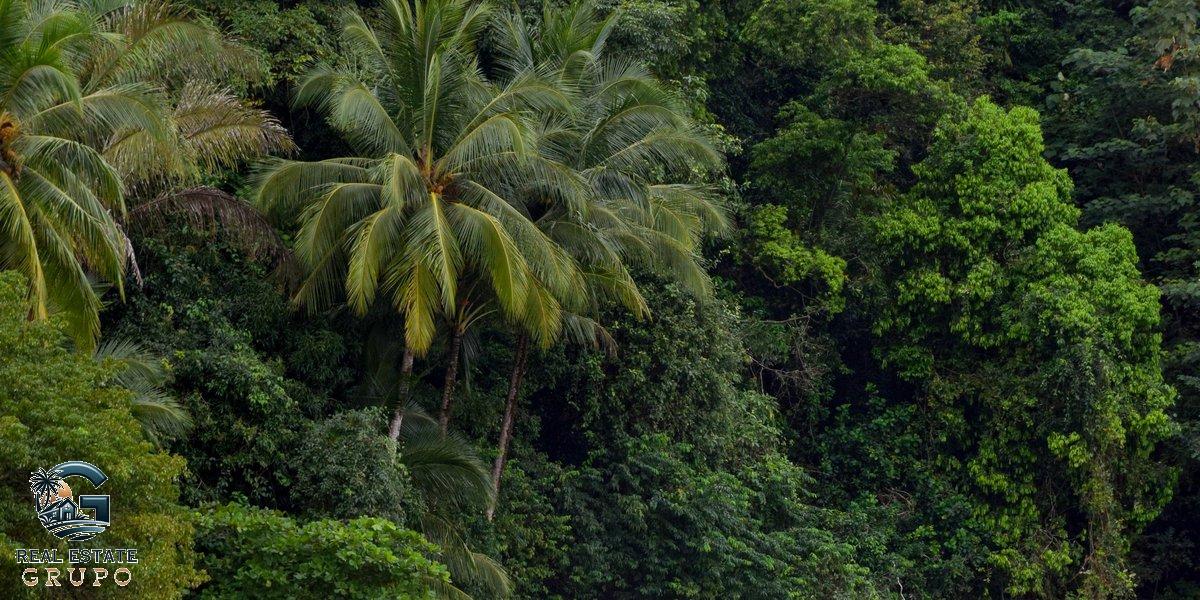
The inventory splits into three broad categories. Small eco-lodges and surf camps, often under 15 rooms, in areas like the Osa Peninsula, Samara, or the Caribbean coast. Mid-size boutique hotels, typically 15 to 40 rooms, in established tourism corridors like Tamarindo, La Fortuna, or Dominical. And larger full-service properties in places like Quepos or the Central Valley, which come with a longer list of operating licenses and usually a larger staff.
Each category has a different buyer profile and a different risk profile. A 10-room lodge in Uvita might run almost entirely on direct bookings and word of mouth. A 35-room hotel in Tamarindo is likely on OTAs (online travel agencies) like Booking.com and Expedia, and its revenue is much easier to verify. Know which type you’re buying before you start negotiating.
How does land tenure work for beach hotels in Costa Rica?
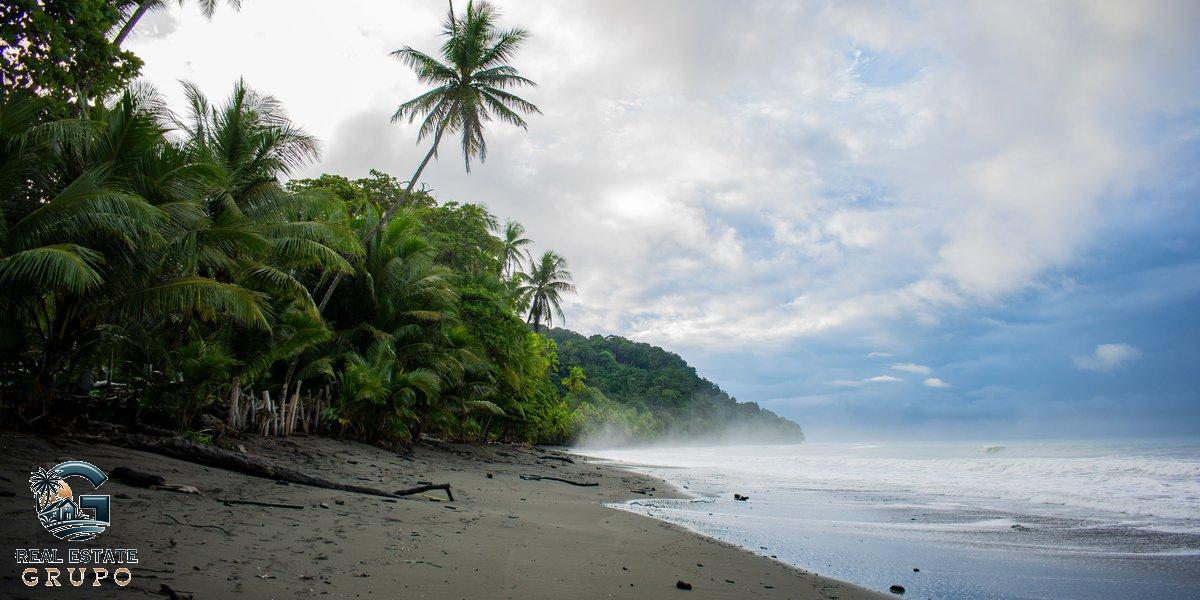
This is the detail that surprises most buyers. In Costa Rica, the first 50 meters from the high-tide line is public land and cannot be privately owned, ever. The next 150 meters is called the zona marítimo-terrestre (maritime zone), and it can only be held under a concession granted by the local municipality, not a traditional title. Many beach hotels sit entirely or partially in that 200-meter band.
Buying a hotel on concession land is not inherently dangerous, but it’s fundamentally different from buying titled land. Your concession is renewable, but it can be modified or revoked under specific legal circumstances. You need a lawyer who specializes in maritime zone law, not just general real estate, and you need to confirm the concession’s expiration date, renewal history, and whether the municipality has any outstanding disputes against it.
What due diligence do you need before buying a hotel in Costa Rica?
Think of due diligence as two separate checklists running in parallel: the real estate check and the business check. Most buyers focus almost entirely on the real estate and miss the business side until it’s too late.
Real estate due diligence
Start with the title. The property should be registered at the Registro Nacional (National Registry), where you or your lawyer can verify ownership, check for liens, mortgages, annotations, and confirm the plano catastrado (official survey) matches what’s on the ground. Discrepancies between the survey and the physical property are common in rural areas and coastal zones.
If the hotel has a pool, restaurant, or any structure that extends beyond the original footprint, verify those additions have building permits on file. Unpermitted construction can become your liability the moment you take ownership. Environmental permits from SETENA (the environmental agency) may also be required depending on the property size and location.
Business due diligence
The hotel needs an operating license (patent comercial) from the municipality, a tourism declaration from ICT (the Instituto Costarricense de Turismo, Costa Rica’s tourism board), and health permits renewed annually. Ask to see the last three years of renewals. A lapsed permit is a red flag, not a paperwork hiccup.
Review actual bank deposits or payment processor statements, not just the P&L the seller hands you. In smaller hotels, the owner often handles pricing manually and revenue figures can be loosely reported. Cross-reference with OTA booking histories, tax filings with Hacienda (the Ministry of Finance), and utility bills. Seasonal swings in Costa Rica are real. A hotel that looks strong in January may run at 20% occupancy in September.
| Due Diligence Area | What to Check | Where to Verify |
|---|---|---|
| Land Title | Ownership, liens, encumbrances, boundary | Registro Nacional / Folio $29 report |
| Maritime Zone | Concession status, expiration, municipality disputes | Local municipality + maritime zone attorney |
| Operating License | Patent comercial, current status | Local municipality |
| Tourism Declaration | ICT category, renewal date | ICT (tourism board) |
| Environmental Permit | SETENA viability, construction compliance | SETENA |
| Revenue | Bank deposits, OTA histories, tax filings | Seller documents + Hacienda returns |
How does the buying process actually work, step by step?
The process in Costa Rica doesn’t follow the escrow-heavy U.S. model exactly. Here’s the typical path for a hotel acquisition.
Letter of Intent (LOI). Before anything else, get a signed LOI that outlines the price, what’s included (furniture, equipment, reservations in hand, staff contracts), and the due diligence period. Don’t pay anything meaningful until this is signed.
Due diligence period. Usually 30 to 60 days for a hotel. This is your window to run the title check, review financials, inspect the physical property, and have your lawyer audit all licenses. Do not shorten this timeline to please a motivated seller.
Purchase agreement (Promesa de Compraventa). If due diligence clears, you sign a promesa (purchase agreement) with a deposit, typically 10% of the purchase price held in escrow. Use a licensed Costa Rican escrow company, not a personal account.
Closing (escritura). A Costa Rican notary public (who is also an attorney) drafts and executes the deed. Closing costs typically include transfer taxes, notary fees, and registration fees. Run the numbers through our closing-cost calculator before you finalize your budget.
Can you get financing for a hotel purchase in Costa Rica?
Local bank financing for foreign buyers exists but it’s limited. Costa Rican banks like Banco Nacional and BAC San José do lend to non-residents in some cases, but approval timelines are long and requirements are strict. In practice, most foreign buyers either bring cash or negotiate owner financing directly with the seller.
Owner financing is actually common in the Costa Rica hotel market, especially for smaller properties where the seller wants a clean exit but doesn’t need the full sum immediately. If you’re exploring that route, model out the terms with our owner financing calculator so you know exactly what different rates and terms cost you over time.
What should you expect for rental returns on a hotel investment?
Returns vary widely depending on location, how the property is managed, and the existing brand reputation. A well-run boutique hotel in a prime tourism area can generate strong returns, but a neglected property with a poor OTA rating will take 12 to 18 months of work before numbers improve. Be honest with yourself about whether you’re buying a turnkey asset or a value-add project.
Model your numbers before you fall in love with a property. Our rental ROI calculator lets you plug in occupancy rates, average daily rate, and operating costs to see where you actually land. Most buyers who skip this step overestimate returns by a wide margin.
Which areas have the most active hotel markets in Costa Rica?
Manuel Antonio and Quepos remain the most liquid market for mid-size hotels, with strong year-round tourism demand and a proven visitor base. Tamarindo and the Guanacaste coast attract buyers looking at larger properties with golf or beach access. La Fortuna near Arenal volcano is consistently popular for eco-lodges and adventure tourism hotels. The Caribbean coast (Puerto Viejo, Cahuita) is smaller in volume but attracts buyers specifically looking for boutique, low-footprint properties at lower entry prices.
Each area has different peak seasons, different buyer demographics, and different infrastructure realities. A hotel in Puerto Viejo depends heavily on dirt roads staying passable in rainy season. A Tamarindo hotel competes with a lot of new inventory. Know the micro-market before you compare cap rates across regions. Browse current hotel and commercial listings to get a real sense of what’s available and at what price points.
Frequently Asked Questions
Can a foreigner legally own a hotel in Costa Rica?
Yes. Foreign nationals have the same property ownership rights as Costa Rican citizens. Most hotel properties are held inside a Costa Rican corporation (sociedad anónima), and foreigners can own 100% of that corporation. There is no requirement to partner with a local citizen.
What’s the difference between buying a hotel on titled land versus concession land?
Titled land is registered at the Registro Nacional and owned outright. Concession land in the maritime zone is not owned but held under a government grant from the local municipality, subject to terms and renewal periods. Both can be legally acquired, but concession properties carry different legal protections and require specialized legal counsel.
How do I verify the title and permits on a hotel property before making an offer?
Start by running a property check through Folio. The free map shows the finca number, lot size, and boundaries. For full ownership history, liens, encumbrances, mortgages, and maritime-zone position, order the $29 Folio report, which is human-reviewed and delivered within 24 hours. Then have your attorney pull the full file from the Registro Nacional and verify all municipal licenses separately.
Do I need a Costa Rican real estate attorney for a hotel purchase?
Yes, you need at least two specialists. A real estate attorney for the title transfer and closing, and ideally a separate attorney with expertise in maritime zone law if the property is on or near the beach. For any staff acquisition, add an employment law review. This is not an area to consolidate to save fees.
What happens to existing hotel staff when I buy the property?
Staff employment contracts typically carry over with the business, including accrued benefits like cesantía (severance). If you terminate staff after purchase without cause, you inherit that liability. A pre-closing employment audit is essential. Some sellers will offer a credit at closing to cover outstanding staff obligations, but you need those numbers verified independently.
Want a straight answer from a local team? Message Leo on WhatsApp at +506 8798 6122.
Browse current Costa Rica listings
These are properties we are working with right now. New ones get added often, so check back, or message us for off-market options that never hit the public site.

5 bedrooms / 5 bathrooms
Puntarenas Province, Santa Teresa, Costa Rica
CASA CEDRO | MAL PAIS
Puntarenas Province, Santa Teresa, Costa Rica
CASA MAREA with $400,000 down
Malpais, Puntarenas Province, Costa Rica
San Isidro Cóbano
Puntarenas Province, Santa Teresa, Costa Rica
Beachfront Villa in Playa Mal País
Puntarenas Province, Santa Teresa, Costa Rica
heart of Santa Teresa
Puntarenas Province, Santa Teresa, Costa RicaOn the ground in Costa Rica, helping US and Canadian buyers find and safely close the right property. Questions? Message Leo on WhatsApp at +506 8798 6122.


Join The Discussion