 English
 Español
 Français
 עברית
עברית Português

Figuring out where to buy real estate in Costa Rica is genuinely the most important decision you’ll make before signing anything. The country is small, but the regions are wildly different from one another. A beachfront lot on the Nicoya Peninsula has almost nothing in common, legally or practically, with a hillside home above Escazú. Get the region right and everything else, budget, lifestyle, rental income potential, becomes much easier to figure out. Get it wrong and you’re stuck with a property that doesn’t match your goals. This guide walks you through every major region, what’s actually happening on the ground in 2026, and which type of buyer fits each area best.
- Costa Rica’s regions are genuinely distinct. Climate, title type, infrastructure, and rental demand vary sharply from coast to valley.
- Concession land (Maritime Zone, within 200 meters of the high-tide line) carries extra legal steps that titled inland property does not.
- The Central Valley offers the most stable infrastructure, the largest expat medical community, and the easiest year-round access.
- Pacific beach towns dominate short-term rental demand, but each town has a different price tier and tourism season to understand.
What Are the Main Regions to Consider When Buying in Costa Rica?

Costa Rica breaks into four broad zones that buyers talk about: the Central Valley, the Pacific Coast (North Pacific and Central/South Pacific), the Caribbean Coast, and the Southern Zone. Each has its own microclimate, infrastructure reality, and legal landscape. Most US and Canadian buyers end up looking at the Pacific or Central Valley first, which makes sense given flight access and dry-season timing. But ruling out the others without understanding them is a mistake we see often.
Is the Central Valley a Good Place to Buy Real Estate in Costa Rica?
The Central Valley, anchored by San José and the surrounding cities of Escazú, Santa Ana, Atenas, Grecia, and Heredia, is where the majority of full-time expat residents live. The reason is simple: infrastructure. You’re a short drive from private hospitals like CIMA and Clínica Bíblica, international schools, major grocery chains, and the Juan Santamaría International Airport. Year-round spring-like weather in the 65-80°F range makes it comfortable without air conditioning.
Escazú and Santa Ana are the most urbanized, with condo markets, gated communities, and higher price points. Atenas is consistently voted one of the best climates in the world and attracts retirees looking for a quieter town feel with good access to the coast. Grecia and Alajuela offer lower price points with similar services. If your priority is full-time living with reliable utilities and walkable services, the Central Valley is hard to beat.
Where to Buy Real Estate in Costa Rica on the Pacific Coast?
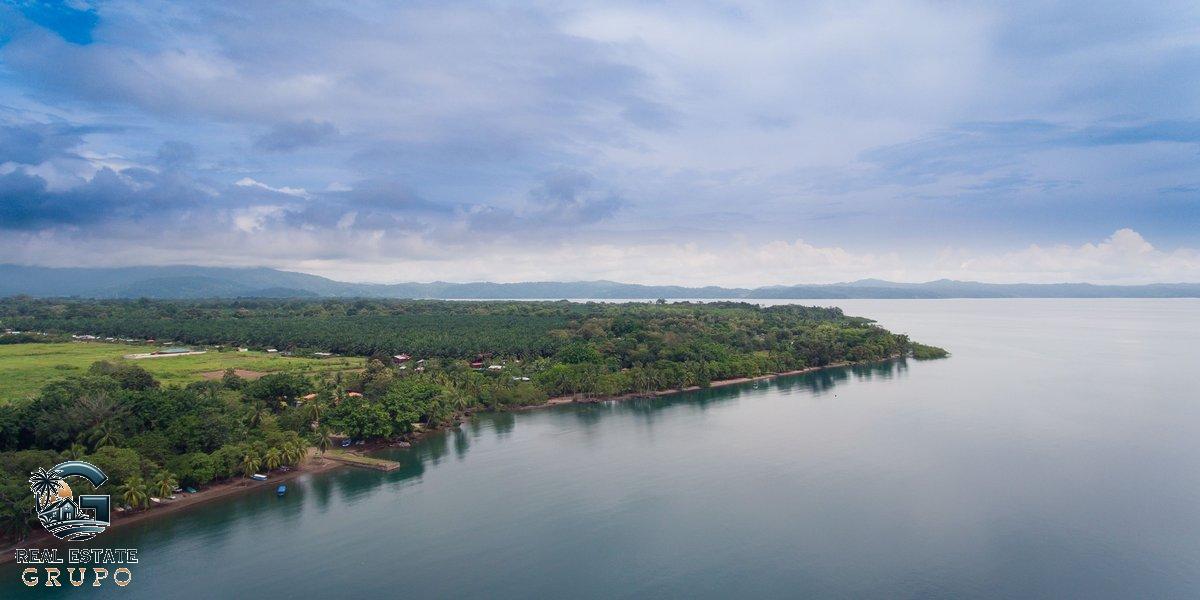
The Pacific Coast is the most popular destination for US and Canadian buyers looking for beach lifestyle combined with rental income. It splits into two very different stretches.
Guanacaste and the Nicoya Peninsula (North Pacific)
Guanacaste runs from the Nicaraguan border down through the Nicoya Peninsula and includes towns like Tamarindo, Nosara, Sámara, Playa Flamingo, Playa Conchal, and the areas around Papagayo. This is Costa Rica’s driest region, with a long high season running roughly from December through April. Flights into Liberia’s Daniel Oduber International Airport make it the easiest beach region to reach from the US, often with direct connections from major hubs.
Tamarindo is the most developed, with a deep rental market, established property management companies, and a range of price points. Nosara has become a premium surf and wellness destination, with land and home prices that have climbed steeply over the last several years. Sámara is quieter and more affordable, attracting buyers who want a small-town beach feel with a growing expat community.
| Town | Best For | Rental Season | Price Tier |
|---|---|---|---|
| Tamarindo | Investors, surf lifestyle | Dec – Apr peak; year-round demand | Mid to high |
| Nosara | Wellness, premium retreat buyers | Dec – Apr peak | High and rising |
| Sámara | Full-time living, families | Dec – Apr peak | Mid |
| Papagayo / Flamingo | Luxury, marina access | Dec – Apr peak | High to luxury |
One critical legal point for any beach property in Guanacaste: land within 200 meters of the high-tide line falls under the Maritime Zone Law (Ley de la Zona Marítimo Terrestre). The first 50 meters from the high-tide line are public and cannot be privately owned by anyone. From 50 to 200 meters, land is typically held on a concession, not a freehold title. Concession rights are real and tradeable, but they require municipal approval, have renewal terms, and carry restrictions on foreign ownership without a Costa Rican corporation or partner structure. Run your free parcel check before falling in love with any beachfront listing.
The Central and South Pacific (Quepos, Manuel Antonio, Dominical, Uvita)
The Central Pacific, anchored by Quepos and Manuel Antonio National Park, offers a lush, green coastline with year-round tourism. It’s wetter than Guanacaste, which means the jungle stays thick and beautiful. Manuel Antonio is one of Costa Rica’s most visited parks, and properties near the park entrance command premium prices with reliable vacation rental demand.
Dominical and Uvita, about an hour south, sit in the Whale Coast (Costa Ballena) area. Uvita hosts the annual Whale Festival, and humpback whales are genuinely visible from shore during migration seasons. This stretch is attracting buyers who want more raw land, larger parcels, and a less commercialized feel. Prices are still accessible compared to Guanacaste, but they’ve been moving. If you want to model the rental income on a property in this region, our rental ROI calculator is a practical starting point.
What About Buying Real Estate on Costa Rica’s Caribbean Coast?
The Caribbean side is Costa Rica’s most underestimated region among foreign buyers. Puerto Viejo de Talamanca, Cahuita, and the areas around Tortuguero have a completely different cultural flavor, with Afro-Caribbean and indigenous influences, reggae culture, and a slower pace that draws a specific type of buyer. It rains more and more consistently here than on the Pacific, but that keeps the vegetation extraordinary and the crowds thin.
Property prices on the Caribbean are generally lower than equivalent Pacific properties, and infrastructure has been improving with road upgrades and expanded services. The airport at San José connects to Puerto Limón domestically, and the drive from San José to Puerto Viejo takes roughly four hours. This coast appeals to buyers who want privacy, affordability, and an authentic Pura Vida lifestyle well outside the tourist mainstream.
Is the Southern Zone Worth Considering for Investment?
The Southern Zone, centered around the Osa Peninsula and towns like Puerto Jiménez, Golfito, and Drake Bay, is one of the most biologically rich places on Earth. It’s also one of the most remote. Corcovado National Park covers a large portion of the Osa, and the surrounding area attracts eco-tourism, research, and a small but passionate community of conservation-minded buyers.
This region is not for buyers who need easy airport access or fast fiber internet. It’s for people who genuinely want off-grid or low-density living, or who see long-term value in eco-lodge investment. Land parcels here can still be found at prices that feel like another era compared to Nosara or Manuel Antonio. The trade-off is infrastructure and market liquidity. Selling later takes longer. If you’re thinking about owner financing to structure a deal in a less liquid market, check our owner financing calculator for how the numbers might work.
How Do You Match the Right Region to Your Goals?
Here’s the honest breakdown. If you want full-time living with reliable healthcare and city services, look at the Central Valley first. If you want vacation rental income with the strongest short-term rental demand, the North Pacific, especially Tamarindo and Nosara, has the deepest established market. If you want value and authenticity without the tourist infrastructure, the Caribbean and Southern Zone offer that trade-off. If you want a mix of accessibility and natural beauty, the Central and South Pacific hits a middle ground that works well for many buyers.
Budget also shapes the answer. Closing costs vary by region and property type. Before you’re deep into a specific listing, use our closing cost calculator to understand the full picture. And when you’re ready to browse actual listings across all these regions, you can search current properties here.
Frequently Asked Questions
Can a US or Canadian citizen own property in Costa Rica?
Yes. Foreign nationals have the same ownership rights as Costa Rican citizens for titled freehold property. The exception is concession land in the Maritime Zone, where there are restrictions on majority foreign ownership of the concession-holding entity. A qualified local attorney can structure ownership correctly for any beach property scenario.
What’s the difference between titled property and concession property?
Titled property (propiedad inscrita) is registered in your name at the Registro Nacional and gives you full freehold ownership. Concession property sits within the Maritime Zone and grants you the right to use and improve the land under a renewable government concession, not outright ownership. Both can be bought and sold, but concessions carry more legal complexity and municipal oversight.
Which region has the best rental income potential?
Guanacaste, particularly Tamarindo, Nosara, and the Papagayo corridor, consistently shows the strongest short-term vacation rental demand among foreign buyers. Manuel Antonio on the Central Pacific is also a high performer due to year-round park tourism. Rental potential depends heavily on property type, location within the town, and management quality, not just the region.
Do I need to visit before buying?
You don’t legally need to, but visiting is strongly recommended. Costa Rica’s regions feel dramatically different on the ground than they appear in photos. A week in Nosara feels nothing like a week in Atenas. We consistently see buyers who visited before committing end up happier with their decision. If you can’t visit immediately, our team can arrange virtual property tours and in-depth area calls. Reach out via our contact page.
Are property taxes high in Costa Rica?
Property taxes in Costa Rica are low by North American standards. The annual municipal tax is a small percentage of the registered fiscal value of the property. Luxury homes above a certain value threshold are subject to an additional solidarity tax (impuesto solidario). The Ministry of Finance (Hacienda) administers the luxury tax thresholds, which are adjusted periodically. Your attorney or accountant can clarify which category your target property falls into.
Want a straight answer from a local team? Message Leo on WhatsApp at +506 8798 6122.
Browse current Costa Rica listings
These are properties we are working with right now. New ones get added often, so check back, or message us for off-market options that never hit the public site.

5 bedrooms / 5 bathrooms
Puntarenas Province, Santa Teresa, Costa Rica
CASA CEDRO | MAL PAIS
Puntarenas Province, Santa Teresa, Costa Rica
CASA MAREA with $400,000 down
Malpais, Puntarenas Province, Costa Rica
San Isidro Cóbano
Puntarenas Province, Santa Teresa, Costa Rica
Beachfront Villa in Playa Mal País
Puntarenas Province, Santa Teresa, Costa Rica
heart of Santa Teresa
Puntarenas Province, Santa Teresa, Costa RicaOn the ground in Costa Rica, helping US and Canadian buyers find and safely close the right property. Questions? Message Leo on WhatsApp at +506 8798 6122.


Join The Discussion