 English
 Español
 Français
 עברית
 Português


Puerto Viejo Costa Rica real estate attracts a specific kind of buyer: someone who wants Afro-Caribbean culture, jungle-to-beach living, and a pace of life that the Pacific side simply doesn’t replicate. The town sits at the southern end of Limón Province, roughly 200 kilometers from San José, and the surrounding villages of Cocles, Punta Uva, and Manzanillo each have a distinct character worth understanding before you make an offer. Prices here are generally lower than Guanacaste or the Central Pacific, but the legal landscape is more complicated, and the mistakes buyers make here are expensive. This guide walks you through what you actually need to know.
- Much of the Caribbean coast falls inside the Maritime Terrestrial Zone (ZMT), which restricts or bars private ownership entirely within 200 meters of the high-tide line.
- Titled property does exist in Puerto Viejo and nearby villages, but you must verify each parcel individually before trusting any seller’s claim.
- The Caribbean climate means serious humidity and rainfall year-round; factor maintenance costs into every ROI calculation.
- A $29 Folio report is the fastest way to confirm a parcel’s ownership, liens, and title history before you spend a dollar on due diligence lawyers.
What kinds of property can you actually buy in Puerto Viejo?
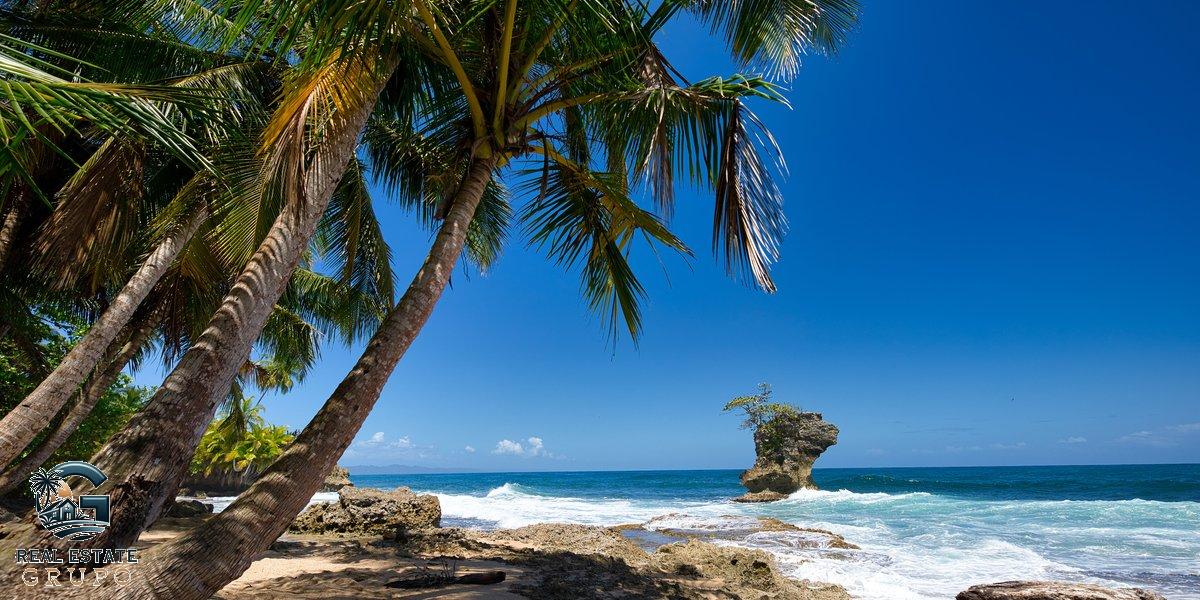
The most important thing to understand is that “buying property” on the Caribbean coast can mean very different things legally. Some parcels carry full fee-simple title (called propiedad privada), recorded at Costa Rica’s Registro Nacional. Those are the ones you want if ownership and long-term security matter to you.
A large share of land close to the beach, however, sits inside the Maritime Terrestrial Zone, or Zona Marítimo Terrestre (ZMT). That’s the 200-meter strip measured from the mean high-tide line. The first 50 meters of that strip is public zone and cannot be owned by anyone, period. The next 150 meters is the restricted zone, where the municipality can grant a concession (a long-term lease from the government), not a deed. Concession land is legitimate, but it carries different risks, lower resale liquidity, and different financing rules compared to titled land.
How does the Maritime Terrestrial Zone affect Puerto Viejo buyers?
Most of the beachfront parcels you’ll see listed between Puerto Viejo and Manzanillo fall within the ZMT. The Costa Rican Tourism Institute (ICT) plays a role in regulating tourism concessions in maritime zones, and municipal approval from the Talamanca municipality is required for any concession transfer. That process is not fast.
Concession transfers require the municipality to approve the new concession holder, and municipalities can deny or delay. Foreigners who have not held legal residency for at least five years cannot hold a concession directly in their own name under current law. That means a corporation or a Costa Rican partner is often involved, which adds legal and operational complexity you need to price in.
Titled land that happens to sit near the beach but is set back beyond the 200-meter line is a different story. That land transfers like any other Costa Rican property: through a escritura (deed) signed before a notary public and registered at the Registro Nacional.
| Property Type | Ownership | Foreigners Can Hold Directly? | Transferable? |
|---|---|---|---|
| Titled (fee-simple) | Full private ownership | Yes | Yes, by deed |
| ZMT Concession (restricted zone) | Government lease | Only with 5+ years residency | Yes, with municipal approval |
| Public Zone (first 50m) | None, public land | No | No |
Which neighborhoods should you focus on near Puerto Viejo?
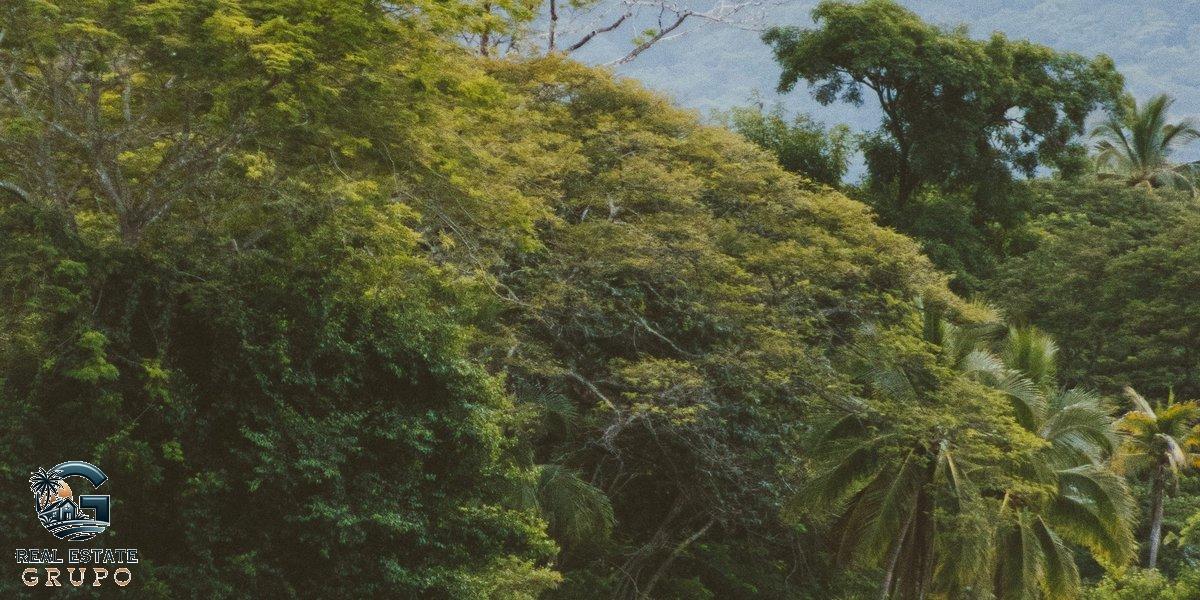
Puerto Viejo town itself is the most developed pocket. You’ll find small guesthouses, surf shops, restaurants, and a lively local scene centered around Calle Principal. Property here is mostly residential lots and small commercial buildings. It’s walkable and practical, but it’s also the noisiest and most densely built area on this stretch of coast.
Cocles, about two kilometers southeast of town, is where you start finding a mix of jungle lots with titled land and beachfront parcels under concession. The road through Cocles is paved, short-term rental activity is visible, and it’s the neighborhood most buyers ask about first when they’re thinking about rental income.
Punta Uva is quieter, more lush, and the beach there is genuinely calm water, which is rare on the Caribbean coast. Properties in Punta Uva tend to be larger lots with more tree coverage. Manzanillo, at the end of the road before the Gandoca-Manzanillo wildlife refuge, has very little development activity because the refuge restricts new construction. If someone tries to sell you a “development opportunity” abutting Gandoca-Manzanillo, walk away and verify the boundary status first.
How do you verify title and run due diligence on a Caribbean coast property?
This is where buyers get into trouble. The Caribbean coast has had more informal occupation and unclear land registration historically than Guanacaste. Some parcels have been subdivided multiple times without proper registration updates. Others carry old annotations or gravámenes (liens) that the seller either doesn’t know about or isn’t disclosing.
Start by locating the property’s finca number, which is the registered parcel ID at the Registro Nacional. You can order a $29 Folio report to get human-reviewed confirmation of the registered owner, any liens or encumbrances, mortgages, annotations, title history, and the plano catastrado (the official cadastral survey plan). This is due diligence step one, and it costs less than dinner.
From there, a Costa Rican real estate attorney handles the full title study, confirms there are no pending court actions through the Poder Judicial, verifies the property’s tax status with Hacienda, and checks whether any environmental restrictions or SETENA permits apply to the parcel. Jungle land near the refuge or near wetlands can carry environmental limitations that appear nowhere in the title itself.
What does Puerto Viejo real estate actually cost?
Prices vary enough that any single number would be misleading. What’s true as a general pattern: a buildable titled lot in Cocles or Punta Uva will cost meaningfully less than a comparable lot in Tamarindo or Manuel Antonio. Small casitas (houses) with beach proximity start in a range that surprises Pacific coast buyers who’ve been looking elsewhere. The tradeoff is that the market is thinner, meaning fewer comparable sales, slower resale, and more negotiation needed to find fair market value.
Beachfront concession properties carry a premium for the view and access, but the legal complexity discounts them relative to what you’d assume based purely on location. Buyers who understand concession rules sometimes find real value there. Buyers who don’t understand them sometimes overpay for land they can’t legally hold.
Before you make an offer, use the REG closing costs calculator to understand what transfer taxes, notary fees, and registration costs you’ll be adding on top of the sale price. Costa Rica’s closing costs are split by convention, but the split is negotiable and it’s worth knowing your number in advance.
Is Puerto Viejo a good market for rental income?
The Caribbean coast attracts a specific visitor: eco-travelers, surfers, yoga retreats, and people who want something different from the resort-hotel experience. That creates real short-term rental demand, particularly from November through April when the weather is drier on this coast (the Caribbean’s dry season flips from the Pacific’s).
The caveat is that managing a rental in Puerto Viejo remotely is harder than on the Pacific. Infrastructure is less consistent. Road conditions between Limón and Puerto Viejo mean getting materials to the property for repairs takes more planning. Humidity is aggressive year-round, and wooden structures need more maintenance than buyers typically budget for.
If you’re buying for income, run the numbers through REG’s rental ROI calculator before you commit. Gross rental yield and net yield after maintenance, property management, and utilities can be quite different on the Caribbean coast compared to what those same inputs look like in Santa Teresa or Nosara.
Owner financing is more common in Puerto Viejo than buyers expect, partly because the thin market and title complexity make traditional bank financing difficult. If a seller offers seller financing, use the owner financing calculator to model the terms clearly before you sign anything.
What surprises North American buyers about living in Puerto Viejo?
The culture is distinct. Puerto Viejo has a strong Afro-Caribbean and indigenous Bribri identity that shapes everything from food to music to the pace of commerce. Most buyers who fall in love with it do so because of that character, not in spite of it. But it does mean this isn’t a place that operates on a North American schedule, and you’ll adapt faster if you arrive knowing that.
Internet connectivity has improved considerably but remains less reliable than San José or the Gold Coast. If you’re planning to work remotely full-time from a jungle house in Punta Uva, test the connectivity during your scouting trip, not after you’ve signed a lease or closed a purchase.
Healthcare in the immediate area is limited. The nearest significant hospital is in Limón. For anything serious, you’re looking at a trip to San José. That’s not a dealbreaker for most buyers, but it’s relevant for anyone older or with health conditions that need regular specialist care.
Frequently Asked Questions
Can a US citizen own property in Puerto Viejo?
Yes. Costa Rica grants foreigners the same property ownership rights as citizens for titled, fee-simple land. You can own titled land in your personal name or through a Costa Rican corporation (sociedad anónima). The only significant restriction involves ZMT concessions, where you need at least five years of legal residency to hold a concession directly in your own name.
Is Puerto Viejo safe for foreign buyers and residents?
Puerto Viejo has a reputation for petty theft, particularly in the town center. Most long-term residents manage this by staying aware of their surroundings and securing vehicles and beach bags. The surrounding villages of Cocles, Punta Uva, and Manzanillo feel calmer. As with anywhere in Costa Rica, common-sense precautions go a long way. Talk to people who actually live there before letting safety concerns drive your decision.
How do I know if a property is titled or under concession?
Ask for the finca number and check it. Titled land has a registered finca at the Registro Nacional with a full entry showing the owner, dimensions, and legal history. Concession land has a different registration format linked to the municipal concession registry. The free map on Folio will show you the finca number and lot boundaries instantly. If you want to confirm ownership and check for liens or encumbrances, that’s in the $29 Folio report, reviewed by a human within 24 hours.
What are the ongoing costs of owning property in Puerto Viejo?
You’ll pay an annual luxury tax (impuesto solidario) if your property is registered above a certain value threshold, plus municipal taxes paid to the Talamanca municipality. Maintenance costs on the Caribbean coast run higher than on the Pacific because of the humidity and rainfall. Factor in pest control, roof inspections, and wood treatment if your structure uses timber, which many Caribbean-style homes do. Property management fees apply if you’re renting remotely.
Do I need a Costa Rican lawyer to buy property in Puerto Viejo?
Yes, and it should be your lawyer, not the seller’s. In Costa Rica, the notary public who drafts and executes the deed must be a licensed attorney. Your lawyer conducts the title search, verifies there are no liens or legal holds on the property, checks ZMT and environmental status, and ensures the deed is properly registered. This is not a step to skip or share with the other side of the transaction. Talk to the REG team if you need a referral to a Caribbean coast attorney with real experience in this area.
Want a straight answer from a local team? Message Leo on WhatsApp at +506 8988 5372.
Browse current Costa Rica listings
These are properties we are working with right now. New ones get added often, so check back, or message us for off-market options that never hit the public site.

5 bedrooms / 5 bathrooms
Puntarenas Province, Santa Teresa, Costa Rica
CASA CEDRO | MAL PAIS
Puntarenas Province, Santa Teresa, Costa Rica
CASA MAREA with $400,000 down
Malpais, Puntarenas Province, Costa Rica
San Isidro Cóbano
Puntarenas Province, Santa Teresa, Costa Rica
Beachfront Villa in Playa Mal País
Puntarenas Province, Santa Teresa, Costa Rica
heart of Santa Teresa
Puntarenas Province, Santa Teresa, Costa RicaOn the ground in Costa Rica, helping US and Canadian buyers find and safely close the right property. Questions? Message Leo on WhatsApp at +506 8988 5372.


Join The Discussion