 English
 Español
 Français
 עברית
עברית Português

Manuel Antonio real estate sits at one of the most sought-after addresses on Costa Rica’s central Pacific coast, where national park jungle meets white-sand beaches within a 30-minute drive of the regional hub of Quepos. Foreign buyers, mostly from the US and Canada, can own property here with the same freehold rights a Costa Rican citizen has. What surprises most people is how varied the market is: you’ll find everything from modest condos priced for vacation rental income to large hillside villas with ocean views. The process is straightforward when you work with people who know it, but there are title types and maritime zone rules specific to this coast that can trip up first-time buyers. This guide walks you through all of it.
- Foreigners own property in Costa Rica under the same freehold rights as citizens, no restrictions.
- Some beachfront lots in Manuel Antonio sit inside the Maritime Terrestrial Zone (ZMT), which means concession rights, not fee-simple title.
- The Quepos-Manuel Antonio corridor has a strong short-term rental market, which matters a lot for investment math.
- Always verify title at the Registro Nacional before making any offer, no exceptions.
What makes Manuel Antonio real estate different from other Costa Rica markets?
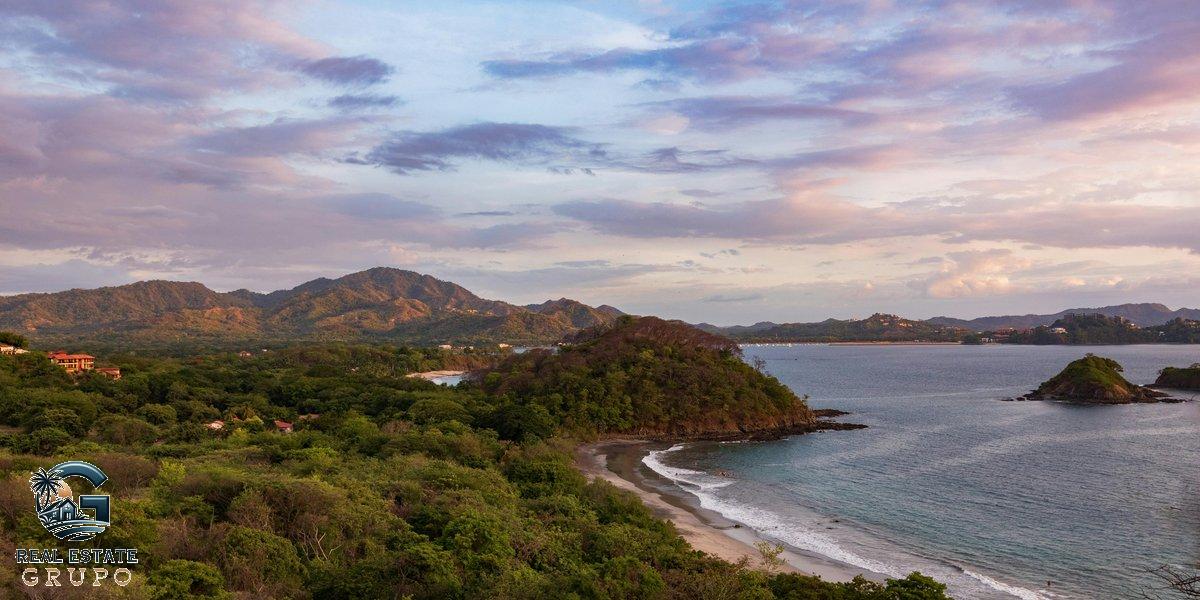
The national park is the anchor. Manuel Antonio National Park is one of the most visited parks in the country, and that consistent tourist traffic feeds a short-term rental market that has stayed active even when other coastal towns slow down. Buyers who want rental income have a real argument for buying here, not just a wish.
The geography also shapes value in a very direct way. Properties above the main road (Route 618) tend to carry higher prices because they capture the Pacific horizon. Properties below the road trade some view for walking distance to the beach. That single road running from Quepos down to the park entrance is the spine of the entire market, and your address relative to it matters more than almost anything else.
Quepos, about seven kilometers north, handles the practical side of life: the hospital, the marina, grocery stores, the domestic airport with daily flights to San José. Buyers underestimate how much that proximity matters once they’re living here full time or hosting guests.
What types of property can you buy in Manuel Antonio?
The market breaks into four main categories, each with a different buyer profile and a different set of legal considerations.
Condominiums
Condo developments are common along the Manuel Antonio road and on the hillsides above it. Many are purpose-built for vacation rentals, with on-site management, pools, and rental programs already in place. If you want income without hands-on management, a condo inside an established regime (the Costa Rican legal structure for condominium ownership) is often the easiest entry point.
Single-family homes and villas
Hillside villas with ocean views are what most buyers picture first. These range from two-bedroom houses that work as rentals to large custom homes built for full-time living. Lot sizes and build quality vary widely, so a proper inspection by a licensed Costa Rican engineer is not optional here.
Raw land
Buying a lot to build on is popular with buyers who want something custom. The key question is always zoning and infrastructure: Does the lot have water access through ASADA (the rural water association) or AyA (the national water utility)? Is there a building permit history? A lot without a clear water source or with steep slope restrictions can sit idle for years.
Beachfront and Maritime Zone properties
This is where buyers need to slow down. Costa Rica’s Zona Marítimo Terrestre (ZMT), the Maritime Terrestrial Zone, covers the first 200 meters from the high-tide line on all coasts. The first 50 meters are public and cannot be owned by anyone. The next 150 meters are concession land: the government grants you the right to use it, but you don’t hold a fee-simple title the way you would with inland property. Concessions must be held by a Costa Rican citizen or by a Costa Rican corporation where at least 50 percent is owned by Costa Rican nationals, which limits foreign ownership directly. Get specific legal advice before putting money into any beachfront parcel.
How does the Manuel Antonio market compare to nearby areas?
It helps to see how this area stacks up against the other Pacific coast markets that attract similar buyers.
| Area | Drive to nearest airport | Market character | Short-term rental demand |
|---|---|---|---|
| Manuel Antonio / Quepos | 5 min (Quepos domestic) | Park-driven tourism, established condo market | High, year-round baseline |
| Dominical / Uvita | 1-1.5 hrs to San José via new highway | Wilder, faster-growing, more land available | Strong high season, softer low season |
| Jacó | 1.5 hrs to San José | More urban, surf town, higher inventory | High but more price-sensitive guests |
| Tamarindo (Guanacaste) | 45 min to Liberia international | Larger expat community, drier climate | High, international flight access helps |
Manuel Antonio’s main edge is the park itself. No other central Pacific town has that anchor. Its main trade-off is that inventory is tighter and prices reflect the demand, so buyers who want more land for less money often look south toward Dominical or Uvita instead.
What is the buying process for foreign buyers in Manuel Antonio?
The process in Costa Rica is cleaner than many buyers expect. There’s no restriction on foreign ownership of titled (inland) property, no need for residency, and no minimum purchase amount. Here’s how it flows from offer to keys.
Step 1: Due diligence on the title
Before an offer becomes binding, your attorney runs a full title search at the Registro Nacional. This confirms who owns the property, whether there are liens, mortgages, or annotations, and that the boundaries match what the seller is showing you. Don’t skip or rush this step. You can also run a preliminary check yourself using our free Costa Rica property map.
Step 2: The purchase-sale agreement (Promesa de Compraventa)
Once due diligence clears, buyer and seller sign a promesa de compraventa, a preliminary purchase agreement that locks in price, deposit amount, and closing timeline. The deposit is typically held in escrow, not handed directly to the seller. Use a licensed Costa Rican escrow company or your attorney’s trust account, not an informal arrangement.
Step 3: Closing at the notary
Closing happens before a Costa Rican notary public (who is also a lawyer). The notary drafts the transfer deed, both parties sign, and the deed is registered at the Registro Nacional. Transfer taxes and notary fees are split by custom, though anything is negotiable. The whole closing process is faster than in the US or Canada once all documents are in order.
Step 4: Taxes and ongoing costs
Costa Rica has an annual property tax (impuesto sobre bienes inmuebles) that is low by North American standards. There’s also a luxury home tax (impuesto solidario) that applies to higher-value residential properties. If you rent the property short-term, rental income is subject to Costa Rican income tax, administered by the Ministerio de Hacienda. A local accountant who works with foreign owners is worth the cost.
What should investors know about Manuel Antonio rental income?
The short-term rental market here is real and active, driven by visitors to the national park. High season runs roughly from December through April, with a secondary bump around North American summer vacations. The shoulder months can still see solid occupancy because the park draws visitors year-round, unlike purely surf-driven towns that go quiet in rainy season.
Successful rental properties in Manuel Antonio tend to share a few traits: reliable water and electricity (power outages happen, so a generator is standard in higher-end rentals), a private pool (guests expect it at mid-range prices and above), and fast internet. Buyers who cut corners on infrastructure find their rental reviews suffer quickly.
If you want to see what’s currently available before you decide on a strategy, browse our current listings in Manuel Antonio and nearby areas to get a realistic sense of the range.
What are the biggest mistakes buyers make in Manuel Antonio?
The first is skipping independent legal counsel and letting the seller’s attorney handle everything. Costa Rican real estate law requires a notary, but a notary working for the seller does not represent your interests. Hire your own attorney.
The second is underestimating maintenance costs. Properties in a humid, tropical environment near the ocean age faster than homes in dry climates. Pools, roofs, and exterior surfaces all need more frequent attention. Budget for it before you buy, not after.
The third is buying on the strength of rental income projections without seeing actual booking history. Ask for documented rental income records, not an agent’s estimate. If the seller can’t or won’t provide them, treat any income claim as unverified.
Frequently Asked Questions
Can a US or Canadian citizen own property in Manuel Antonio outright?
Yes. Costa Rica allows foreigners to own titled (fee-simple) inland property with the same rights as citizens. There are no nationality restrictions, no residency requirements, and no minimum investment thresholds for purchasing residential real estate. The one area where foreign ownership gets complicated is beachfront concession land inside the Maritime Terrestrial Zone, which has its own rules about who can hold the concession.
How close is Manuel Antonio to the nearest international airport?
The Quepos La Managua domestic airport is about five minutes from the main Manuel Antonio corridor and offers daily connections to Juan Santamaría International Airport in San José. The drive from San José to Manuel Antonio is roughly three to three-and-a-half hours depending on traffic and road conditions, or under an hour by domestic flight. Most foreign buyers fly into San José and either drive down or take a short domestic flight.
Is Manuel Antonio inside a flood zone or at risk from natural events?
Parts of the area around the Río Naranjo and lower-lying sections near Quepos can experience flooding during heavy rainy season storms. Hillside properties above the main road carry a different risk: steep lots require proper drainage and retaining wall engineering. Before buying, ask your attorney to confirm that the property has no SETENA (environmental permitting agency, setena.go.cr) flags and that any construction was done with proper permits.
What are typical closing costs for a property purchase in Manuel Antonio?
Closing costs in Costa Rica generally include transfer taxes, documentary stamps, and notary fees, and they are calculated as a percentage of the declared property value. The buyer and seller traditionally split some of these costs, though the exact split is negotiable. You should also budget for your own attorney’s fees, title search costs, and escrow fees. A local attorney can give you a precise breakdown once you have a specific property in mind.
Do I need a Costa Rican corporation to buy property here?
No, you don’t. Many buyers hold property in a Costa Rican S.A. or S.R.L. (sociedad de responsabilidad limitada, a limited liability company) for liability protection or estate planning purposes, but it’s not legally required for foreigners buying titled property. Whether a corporate structure makes sense for your situation depends on how you plan to use the property and your overall tax position. Ask both a Costa Rican attorney and your home-country tax advisor before deciding.
Ready to find the right property on Costa Rica’s central Pacific coast? Get in touch with the Real Estate Grupo team and we’ll point you toward options that actually fit your budget and goals, no pressure, no pitch.
Want a straight answer from a local team? Message Leo on WhatsApp at +506 8798 6122.
Browse current Costa Rica listings
These are properties we are working with right now. New ones get added often, so check back, or message us for off-market options that never hit the public site.

Ocean-View Oasis in Manuel Antonio
Manuel Antonio Beach, Puntarenas Province, Quepos, Costa RicaOn the ground in Costa Rica, helping US and Canadian buyers find and safely close the right property. Questions? Message Leo on WhatsApp at +506 8798 6122.

Join The Discussion