 English
 Español
 Français
 עברית
עברית Português

Mal Pais costa rica real estate sits at the southern tip of the Nicoya Peninsula, in a stretch of coastline that still feels like the Costa Rica people came looking for twenty years ago. Prices have climbed steadily as Santa Teresa’s fame has spread south, but Mal Pais proper retains a slower, more local character. Lots with ocean views, jungle-edge homes, and surf-front parcels all trade here. The legal framework is the same as anywhere in the country: foreigners own property on exactly the same terms as Costa Rican nationals, and that ownership is recorded at the Registro Nacional. What differs is the terrain, the title types, and the micro-location decisions that will either reward you or haunt you for years.
- Foreign buyers have the same property rights as Costa Ricans. No residency required to own.
- Title type is everything here. Mal Pais has a mix of titled fee-simple land and Maritime Zone concession land. Never confuse the two.
- Micro-location matters more than in most markets. A 200-meter difference can mean titled vs. concession, paved road vs. river crossing, or ocean view vs. none.
- Due diligence takes 30 to 60 days done properly. Rushing it is the most expensive mistake buyers make on the Nicoya Peninsula.
What makes Mal Pais different from Santa Teresa for real estate buyers?
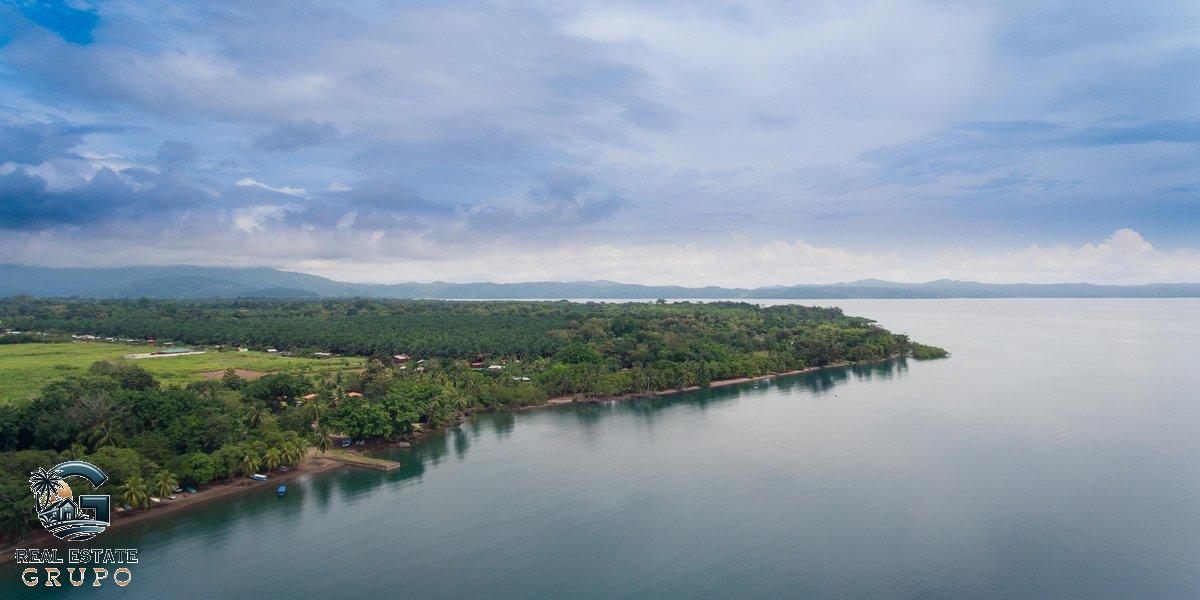
Santa Teresa and Mal Pais share a beach road, but they trade at different price points and attract different buyers. Santa Teresa, especially around Calle del Mar and the main drag north of the soccer field, is the high-traffic restaurant-and-boutique-hotel zone. Prices reflect that. Mal Pais starts roughly where the road bends south toward Cabo Blanco and runs toward the reserve. It’s quieter, properties tend to sit on larger lots, and you’ll find more established homes owned by people who have lived here for decades rather than vacation rentals built on spec.
That quieter character is the draw, and it’s also a practical consideration. Rental yields in Mal Pais can be strong, but you won’t get walk-up foot traffic the way a Santa Teresa property might. If your investment thesis depends on high-occupancy short-term rentals, location within Mal Pais matters a lot. Properties closer to the beach break and with easy access to the main road perform better. A beautiful lot fifteen minutes up a rough track will be harder to fill.
What kinds of property can you buy in Mal Pais?
The market here is genuinely varied. You’ll find raw land, existing homes ranging from simple surf shacks to architect-designed villas, and small hotel or commercial properties that come up occasionally. New construction is active, though not at the pace you see in Tamarindo or Nosara. That means less inventory at any given moment, which is worth knowing before you start your search. Browse current Mal Pais listings to see what’s actually on the market right now.
Raw land is where a lot of foreign buyers start, and it can be the right move if you want to build your own place. Just understand that construction logistics on the Nicoya Peninsula are real. Materials arrive by ferry from Puntarenas or by the long road through Cobano. Labor pools are smaller than in the Central Valley. Good builders are busy. Budget more time and more contingency than you think you need.
How does the Maritime Zone affect Mal Pais real estate?
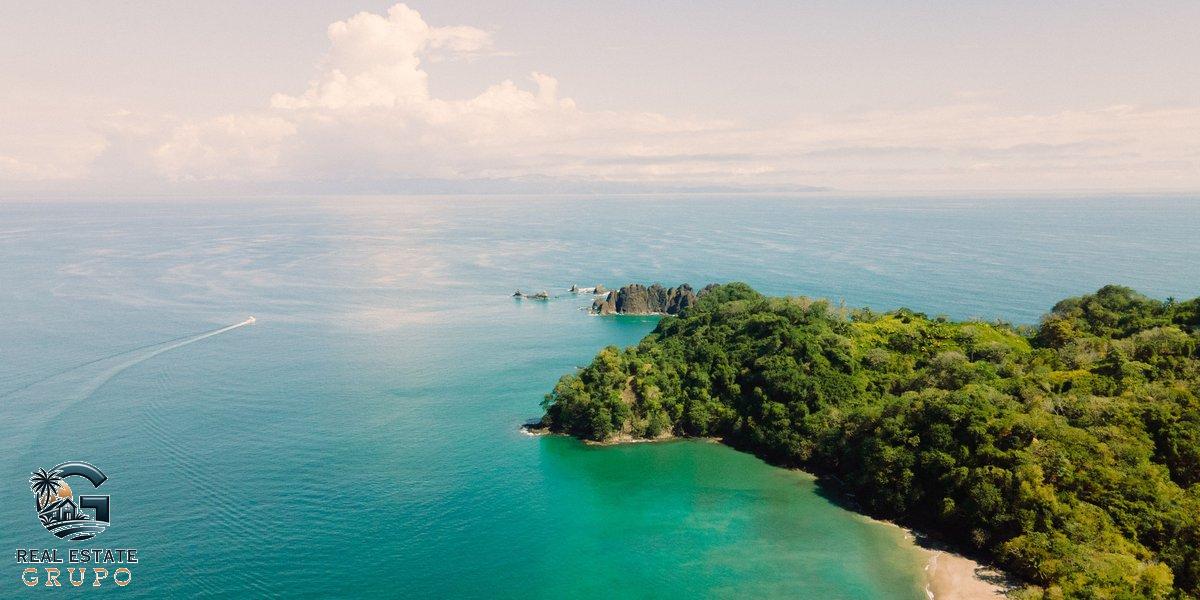
This is the question that trips up buyers more than any other in coastal Costa Rica. The Maritime Zone law (Zona Marítimo Terrestre, or ZMT) places the first 200 meters from the high-tide line under public domain. The first 50 meters are always public and cannot be privately owned by anyone. The next 150 meters can be granted as a concession by the local municipality, in this case the Municipalidad de Cobano.
A concession is not the same as a title. You do not own the land outright. You hold a long-term use right granted by the municipality, which must be renewed and which comes with obligations, like paying the concession fee (canon) each year and complying with the approved development plan. Foreigners who are not legal residents of Costa Rica cannot hold a concession directly. They must hold it through a Costa Rican corporation (sociedad anónima, or S.A.), and that corporation must have at least 50% Costa Rican ownership, or the buyer must have legal residency status.
What does titled fee-simple land look like in Mal Pais?
Titled property (propiedad con título de propiedad inscrita) sits farther back from the beach, usually on hillsides, ridge lines, or inland jungle parcels. This is where many of the best ocean-view lots are. Because you’re above the ZMT, the land can be privately owned with a full fee-simple title recorded at the Registro Nacional. This is the cleanest ownership structure, and for most foreign buyers, especially those not yet holding residency, it’s the simplest path.
Ocean-view titled lots in Mal Pais can range from compact building parcels to larger farms (fincas) with multiple potential build sites. Finca is just the Spanish word for farm or rural parcel. A finca may or may not have SETENA environmental approval for construction, and getting that approval through SETENA (the environmental permitting agency) adds time and cost to any build project.
Which neighborhoods and micro-locations should buyers know?
Mal Pais isn’t a grid. It’s an organic collection of named areas and road offshoots that locals know by landmarks and visitors learn by getting lost. Here’s a rough orientation:
| Area | Character | Typical title type |
|---|---|---|
| Mal Pais beach road | Surf access, local restaurants, mixed use | Mostly concession |
| Hilltop/ridge parcels above Mal Pais | Ocean views, privacy, larger lots | Titled fee-simple |
| Cabo Blanco buffer zone edge | Dense jungle, very quiet, limited development | Titled, some restrictions |
| Santa Teresa/Mal Pais border | Transitional, rising prices, more activity | Mixed |
Proximity to Cabo Blanco Absolute Nature Reserve (Reserva Natural Absoluta Cabo Blanco) is a double-edged thing. The reserve guarantees that a huge stretch of land will never be developed, which protects your views and the ecology. But there are buffer-zone restrictions that affect what you can build nearby. Always check with a local attorney before buying anything advertised as “near the reserve.”
How does the buying process work for foreign buyers in Mal Pais?
The process is more accessible than most Americans and Canadians expect. You don’t need to be a resident. You don’t need a local bank account to close (though it helps for ongoing expenses). The typical purchase sequence runs like this: sign a purchase agreement (promesa de compraventa), pay a deposit, complete due diligence, and then sign the escritura de traspaso (the deed of transfer) before a Costa Rican notary public (notario público). That notary records the deed at the Registro Nacional.
Transfer taxes and notary fees add roughly 3.5% to 4% on top of the purchase price. That’s your closing cost ballpark. There’s no annual property tax rate shock here. Costa Rica’s annual property tax (impuesto sobre bienes inmuebles) is assessed at a low percentage of the registered property value, which in many cases is still below actual market value. Check current rates with the Municipalidad de Cobano, as municipalities administer this tax locally.
One thing that surprises buyers: Costa Rica does not have a multiple listing service (MLS) the way the US does. Listings are fragmented across agencies and private sellers. A good local agent with real on-the-ground presence makes a meaningful difference, not just for finding properties but for knowing which ones are actually priced at market and which have been sitting for reasons the listing doesn’t mention.
What should buyers know about mal pais costa rica real estate financing?
Cash is king here. The majority of foreign buyers purchase with cash or with financing arranged from their home country (home equity lines, portfolio loans, etc.). Local Costa Rican bank financing for non-residents is available but limited and comes with higher rates and significant paperwork. Banco Nacional and Banco de Costa Rica are the main public banks, but their loan programs for foreign nationals have strict requirements and long processing timelines.
Seller financing (a vendor mortgage, or hipoteca al vendedor) does exist and comes up occasionally in the Mal Pais market. Terms are negotiated directly and can be flexible. If a seller offers financing, have your attorney review the terms carefully and make sure the mortgage is properly registered with the Registro Nacional so your lien is protected.
What ongoing costs should you budget for as a Mal Pais property owner?
Property taxes are low. That’s the good news. Beyond that, factor in: annual corporation maintenance fees if you hold the property through an S.A. (sociedad anónima), HOA fees if your community has one, utility connections (water through ASADA, the rural water association, and electricity through ICE or COOPEGUANACASTE), and property management if you’re not living there full time. Property management in this part of the Nicoya Peninsula typically runs 20% to 30% of rental revenue for vacation rental management, which is in line with what you’d see at other remote beach locations.
Road access is worth budgeting for too. Some Mal Pais properties sit at the end of tracks that require 4×4 year-round and some road grading or repair after each rainy season. That’s not a reason to avoid them, but factor the maintenance reality into your ownership cost picture.
Frequently Asked Questions
Can a US or Canadian citizen buy property in Mal Pais without residency?
Yes. Costa Rica allows foreign nationals to own titled (fee-simple) property with no residency requirement. You have the same ownership rights as a Costa Rican citizen. The limitation applies to Maritime Zone concession land: non-residents cannot hold a concession directly, though they can hold it through a properly structured corporation with the right ownership composition.
Is Mal Pais in a flood zone or does it have road access issues?
Road access varies by specific location. The main road between Santa Teresa and Mal Pais is gravel and passable most of the year, but secondary tracks can become challenging during the rainy season (May through November). Some properties require crossing a river (quebrada) that rises with heavy rain. Always visit a property during or just after rain if you can, and ask your agent specifically about dry-season versus wet-season access.
How long does property due diligence take in Costa Rica?
A thorough due diligence for a Mal Pais property typically takes 30 to 60 days. This includes a title study at the Registro Nacional, a survey review (plano catastrado), confirmation of concession status if applicable, municipal tax clearance, and any environmental permit checks with SETENA. Rushing this process is the most common and most costly mistake buyers make in this market.
Are there restrictions on renting out my Mal Pais property as a vacation rental?
Short-term vacation rentals are common and generally permitted in Costa Rica, but you should register with the Instituto Costarricense de Turismo (ICT) if you operate commercially, and comply with local municipality requirements. Tax obligations apply to rental income. Talk to a local accountant about structuring this correctly from the start rather than retrofitting compliance later.
What’s the difference between buying a finca and buying a lot in Mal Pais?
A finca is simply a rural or agricultural parcel recorded as such in the Registro Nacional. It may be large and may contain multiple potential build sites. A lot (lote) is typically a smaller, subdivided parcel within a development or urbanization. Both can carry clean title. The practical differences are in size, zoning, infrastructure availability, and sometimes the process for obtaining construction permits. Larger fincas may also have agricultural use history that affects what development approvals are needed.
Ready to find the right property in Mal Pais? Talk to the team at Real Estate Grupo about what you’re looking for and we’ll tell you honestly what’s realistic for your budget and timeline.
See current listings in Mal Pais or message Leo directly on WhatsApp at +506 8798 6122.
Browse current Costa Rica listings
These are properties we are working with right now. New ones get added often, so check back, or message us for off-market options that never hit the public site.
On the ground in Costa Rica, helping US and Canadian buyers find and safely close the right property. Questions? Message Leo on WhatsApp at +506 8798 6122.

Join The Discussion