

Real Estate Trends in Santa Teresa
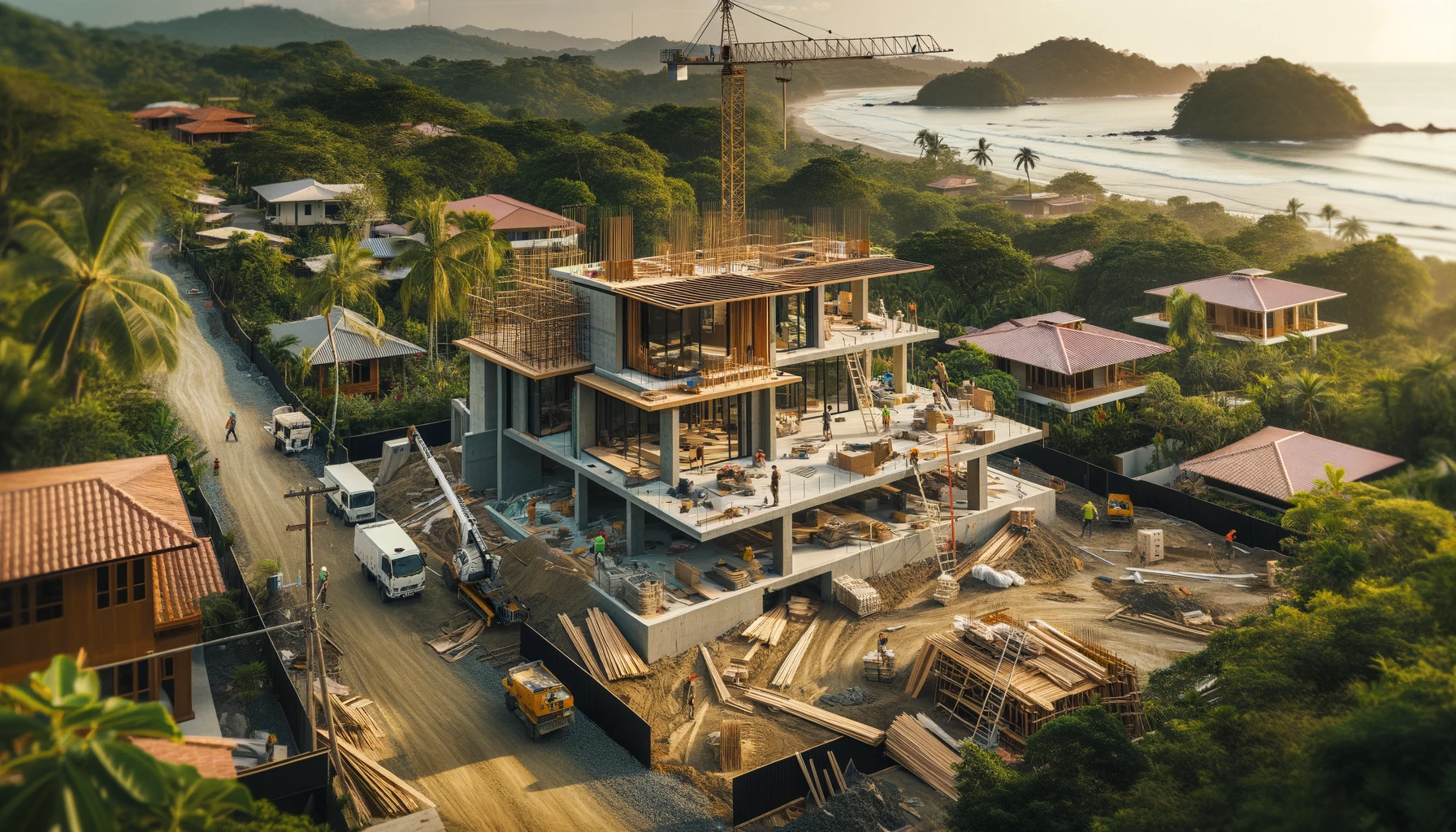
Santa Teresa is experiencing a surge in real estate activity, with a significant uptick in both residential and commercial developments. The growing demand for housing and office spaces in the area is driving this trend, fueled by the city’s appeal as a vibrant and emerging urban center. Developers are capitalizing on this momentum by introducing innovative architectural designs and amenities to cater to the evolving preferences of buyers and tenants.
Moreover, the influx of investments in infrastructure projects, such as improved transportation networks and technological advancements, is further boosting the real estate market in Santa Teresa. These developments are attracting a diverse range of investors and buyers, contributing to the city’s reputation as a prime destination for real estate opportunities. As the city continues to grow and develop, it is crucial for stakeholders to adapt to these trends and embrace sustainable practices to ensure long-term viability and success in the real estate sector.
• The surge in real estate activity is driven by growing demand for housing and office spaces
• Developers are introducing innovative architectural designs and amenities to cater to evolving preferences
• Investments in infrastructure projects, such as improved transportation networks, are boosting the real estate market
• Santa Teresa is attracting a diverse range of investors and buyers, solidifying its reputation as a prime destination for real estate opportunities
• Stakeholders need to adapt to these trends and embrace sustainable practices for long-term viability and success in the real estate sector
Impact of Real Estate Development on Environment
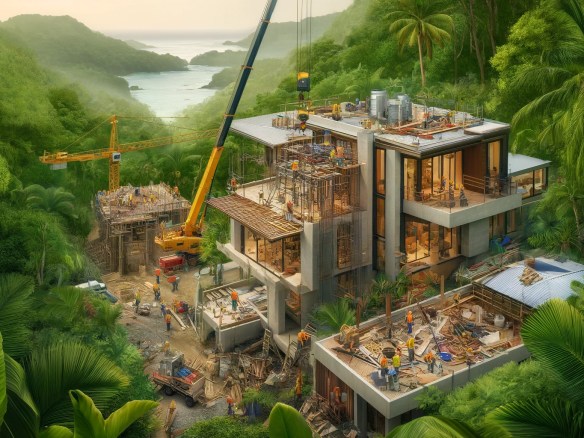
Real estate development in Santa Teresa has brought about significant changes to the local environment. The construction of new buildings, roads, and infrastructure has led to deforestation, habitat loss, and disruption of natural ecosystems in the region. This has resulted in the decline of biodiversity, loss of green spaces, and increased soil erosion. Additionally, the increased urbanization has contributed to air and water pollution, further impacting the local environment and wildlife populations in Santa Teresa.
Furthermore, the rapid pace of real estate development has put pressure on natural resources such as water and energy. The extensive use of these resources in construction and operation of buildings has led to depletion of water sources and increased carbon emissions. This consumption of resources not only has immediate environmental consequences but also poses long-term challenges for sustainability and resilience in Santa Teresa. A careful balance between development and environmental preservation is crucial to mitigate the negative impact of real estate development on the environment and ensure a sustainable future for the region.
• Deforestation, habitat loss, and disruption of natural ecosystems
• Decline of biodiversity, loss of green spaces, and increased soil erosion
• Air and water pollution from increased urbanization
• Pressure on natural resources such as water and energy
• Depletion of water sources and increased carbon emissions
Real estate development plays a significant role in shaping the environment in Santa Teresa. The construction activities associated with real estate projects have direct impacts on the local ecosystem, leading to various environmental challenges. It is essential for developers to consider sustainable practices and adopt eco-friendly technologies to minimize their ecological footprint. By incorporating green building principles, utilizing renewable energy sources, and implementing efficient waste management strategies, real estate development can be more environmentally friendly while still meeting the needs of the growing population in Santa Teresa.
• Adoption of sustainable practices
• Use of eco-friendly technologies
• Incorporation of green building principles
• Utilization of renewable energy sources
• Implementation of efficient waste management strategies
In conclusion, the impact of real estate development on the environment in Santa Teresa cannot be overlooked. It is crucial for stakeholders involved in these projects to prioritize environmental conservation alongside economic growth. By taking proactive measures to mitigate negative consequences such as deforestation, pollution, and resource depletion, we can create a more sustainable future for both current residents and future generations in Santa Teresa. Balancing development with environmental preservation is key to ensuring a harmonious coexistence between human activity and nature in this rapidly evolving region.
Overall Impact:
– Prioritizing environmental conservation alongside economic growth
– Mitigating negative consequences such as deforestation & pollution
– Creating a sustainable future for current residents & future generations
Challenges of Balancing Development and Sustainability
Balancing development with sustainability poses significant challenges in Santa Teresa. As the city grows and evolves, there is a constant pressure to meet the demands of a growing population while preserving the environment and resources. Developers often face the dilemma of choosing between short-term gains and long-term sustainability, leading to conflicts between economic interests and environmental conservation.
Moreover, the rapid pace of development in Santa Teresa can outpace efforts to implement sustainable practices effectively. Infrastructure projects, such as new construction and transportation networks, may prioritize speed and cost-efficiency over eco-friendly solutions. This can undermine sustainability goals and lead to negative impacts on the environment, including habitat destruction, increased carbon emissions, and strain on natural resources. Efforts to strike a balance between development and sustainability require careful planning, collaboration among stakeholders, and a commitment to prioritizing environmental stewardship alongside economic growth.
– Rapid pace of development can outpace efforts to implement sustainable practices effectively
– Infrastructure projects may prioritize speed and cost-efficiency over eco-friendly solutions
– Negative impacts on the environment, including habitat destruction, increased carbon emissions, and strain on natural resources
– Balancing development with sustainability requires careful planning, collaboration among stakeholders, and prioritizing environmental stewardship alongside economic growth.
Role of Government Regulations in Development Projects
Government regulations play a crucial role in shaping real estate development projects in Santa Teresa. These regulations serve as a framework for ensuring that development activities adhere to specific guidelines and standards set by the government. By imposing regulations related to zoning, building codes, environmental impact assessments, and land use planning, the government aims to promote sustainable and responsible development practices within the region.
Furthermore, government regulations help maintain a balance between economic growth and environmental protection by enforcing policies that prioritize sustainability and community well-being. Through regulatory mechanisms, authorities can address issues such as urban sprawl, resource depletion, and pollution, thus safeguarding the long-term interests of both present and future generations. Overall, the role of government regulations in development projects is instrumental in fostering a harmonious relationship between development initiatives and environmental conservation efforts in Santa Teresa.
• Government regulations serve as a framework for ensuring adherence to specific guidelines and standards
• Regulations related to zoning, building codes, environmental impact assessments, and land use planning are imposed by the government
• The aim is to promote sustainable and responsible development practices within the region
• Balance between economic growth and environmental protection is maintained through regulatory mechanisms
• Policies prioritize sustainability and community well-being
• Issues such as urban sprawl, resource depletion, and pollution are addressed through regulations
• Long-term interests of present and future generations are safeguarded by government regulations in development projects
Innovative Green Building Practices in Santa Teresa
Green building practices have been gaining momentum in Santa Teresa as developers and architects embrace sustainability principles in their projects. One innovative practice that has been widely adopted is the use of recycled and locally sourced materials in construction. By utilizing materials that have been repurposed or sourced from nearby areas, developers are not only reducing the carbon footprint of their projects but also supporting the local economy.
Another cutting-edge practice in green building is the integration of passive design strategies to optimize energy efficiency. Passive design techniques such as natural ventilation, strategic placement of windows for cross ventilation, and proper insulation help reduce the reliance on artificial heating and cooling systems. By incorporating these techniques into building design, developers in Santa Teresa are not only creating more environmentally friendly structures but also contributing to long-term energy savings for the occupants.
• Use of recycled and locally sourced materials in construction
• Reducing carbon footprint and supporting local economy
• Integration of passive design strategies for energy efficiency
• Natural ventilation, strategic window placement, proper insulation
• Reduced reliance on artificial heating and cooling systems
• More environmentally friendly structures with long-term energy savings
Benefits of Sustainable Development in Santa Teresa
Sustainable development in Santa Teresa offers a myriad of benefits for both the community and the environment. By prioritizing sustainability in real estate projects, the city can reduce its carbon footprint, promote eco-friendly practices, and preserve its natural resources for future generations. Additionally, sustainable development contributes to the overall well-being of residents by creating a healthier and more livable environment.
Furthermore, investing in sustainable development in Santa Teresa can lead to long-term economic advantages. Through efficient resource management, lower operation costs, and increased property value, developers can enjoy financial benefits while also contributing to the overall sustainability of the city. Ultimately, the integration of sustainable practices in real estate projects not only enhances the quality of life for residents but also ensures a more resilient and prosperous future for Santa Teresa.
• Reduced carbon footprint
• Promotion of eco-friendly practices
• Preservation of natural resources
• Creation of a healthier and more livable environment
• Long-term economic advantages
• Efficient resource management
• Lower operation costs
• Increased property value
By prioritizing sustainable development in Santa Teresa, the city can reap numerous benefits that extend beyond environmental conservation. The integration of sustainable practices not only enhances the quality of life for residents but also sets the stage for a more resilient and prosperous future.
Community Engagement in Development Planning
Community engagement in development planning plays a crucial role in ensuring that the interests and needs of the local community are taken into consideration. By involving residents in the decision-making process, developers can gain valuable insights and perspectives that can lead to more sustainable and inclusive projects. Engaging with the community also helps to build trust and foster positive relationships, ultimately creating a sense of ownership and pride among residents.
Furthermore, community engagement can help developers identify potential challenges and opportunities early on in the planning process. By soliciting feedback and input from residents, developers can address concerns and implement solutions that are in line with the community’s values and priorities. This collaborative approach not only leads to better outcomes for the project but also fosters a sense of unity and cooperation among all stakeholders involved.
• Community engagement in development planning is essential for ensuring the interests and needs of the local community are considered
• Involving residents in decision-making provides valuable insights and perspectives for more sustainable projects
• Building trust and fostering positive relationships through engagement creates a sense of ownership and pride among residents
• Identifying potential challenges and opportunities early on helps developers address concerns and implement solutions aligned with community values
• Collaborative approaches lead to better project outcomes and foster unity among stakeholders.
Preservation of Natural Resources in Real Estate Projects
Preserving natural resources in real estate projects is essential to ensure the long-term sustainability and health of the environment in Santa Teresa. By incorporating sustainable practices such as responsibly managing water usage, minimizing deforestation, and protecting biodiversity, developers can contribute to the overall well-being of the local ecosystem. This not only helps to maintain the natural beauty of the area but also ensures that future generations can continue to benefit from these resources.
Furthermore, integrating green building techniques, such as using energy-efficient materials and sustainable construction methods, can help reduce the environmental impact of real estate projects. By considering the long-term effects of development on the natural environment, developers can play a crucial role in preserving the unique ecosystems and habitats that make Santa Teresa a desirable place to live and visit.
• Responsible water usage is crucial in preserving natural resources
• Minimizing deforestation helps protect the local ecosystem
• Protecting biodiversity ensures a healthy environment for all species
• Green building techniques reduce environmental impact of real estate projects
• Sustainable construction methods help maintain the unique ecosystems and habitats
Integration of Renewable Energy in Real Estate
Renewable energy integration in real estate projects has become a pivotal focus in Santa Teresa, reflecting a growing trend towards sustainable development practices. Utilizing solar panels, wind turbines, and geothermal systems, developers are actively incorporating renewable energy sources to reduce carbon emissions and reliance on traditional energy grids. By harnessing clean and renewable energy, real estate projects are not only minimizing environmental impact but also lowering operational costs in the long run.
Moreover, the integration of renewable energy in real estate is enhancing the overall sustainability of properties in Santa Teresa. By investing in energy-efficient technologies and infrastructure, developers are not only meeting regulatory requirements but also appealing to environmentally conscious buyers and tenants. The adoption of renewable energy solutions not only aligns with global efforts to combat climate change but also positions Santa Teresa as a forward-thinking and eco-friendly real estate market.
• Integrating solar panels, wind turbines, and geothermal systems in real estate projects
• Reduction of carbon emissions and reliance on traditional energy grids
• Lowering operational costs in the long run by harnessing clean and renewable energy sources
• Enhancing overall sustainability of properties in Santa Teresa through renewable energy integration
• Meeting regulatory requirements while appealing to environmentally conscious buyers and tenants
• Positioning Santa Teresa as a forward-thinking and eco-friendly real estate market with adoption of renewable energy solutions
Efforts to Reduce Carbon Footprint in Santa Teresa
Efforts to reduce the carbon footprint in Santa Teresa have gained significant momentum in recent years. Through initiatives such as promoting energy-efficient buildings, encouraging the use of public transportation, and implementing waste reduction strategies, the city is gradually moving towards a more sustainable future. Additionally, the adoption of renewable energy sources like solar and wind power has played a crucial role in minimizing the carbon emissions associated with energy consumption.
Furthermore, the local government in Santa Teresa has introduced policies and incentives to incentivize businesses and individuals to prioritize sustainability in their daily activities. By offering tax breaks for green initiatives, promoting eco-friendly practices, and setting targets for carbon reduction, the city is paving the way for a greener and more environmentally conscious community. These efforts not only contribute to mitigating climate change but also position Santa Teresa as a leader in sustainable urban development.
Efforts to reduce the carbon footprint in Santa Teresa include:
• Promoting energy-efficient buildings
• Encouraging the use of public transportation
• Implementing waste reduction strategies
The adoption of renewable energy sources like solar and wind power has also been crucial in minimizing carbon emissions.
In addition, the local government has introduced policies and incentives such as:
• Offering tax breaks for green initiatives
• Promoting eco-friendly practices
• Setting targets for carbon reduction
These efforts not only contribute to mitigating climate change but also position Santa Teresa as a leader in sustainable urban development.
Importance of Biodiversity Conservation in Development
Biodiversity conservation plays a crucial role in real estate development projects in Santa Teresa. The preservation of diverse plant and animal species contributes to the overall ecological balance of the area, ensuring a sustainable environment for both current and future generations. By protecting the unique flora and fauna of Santa Teresa, developers can maintain the natural beauty of the region and promote a healthy ecosystem that benefits the local community as well.
Furthermore, integrating biodiversity conservation measures into development projects can enhance the attractiveness and value of properties in Santa Teresa. Preserving natural habitats and promoting wildlife diversity not only enriches the aesthetic appeal of the area but also creates opportunities for eco-tourism and nature-based recreational activities. By recognizing the importance of biodiversity conservation, developers can differentiate their projects, attract environmentally-conscious buyers, and contribute to the overall well-being of Santa Teresa’s ecosystem.
• Biodiversity conservation ensures ecological balance
• Protecting unique flora and fauna maintains natural beauty
• Promotes a healthy ecosystem for current and future generations
Biodiversity conservation enhances property value in Santa Teresa
Preserving natural habitats enriches aesthetic appeal of the area
Creates opportunities for eco-tourism and nature-based activities
Developers can attract environmentally-conscious buyers by prioritizing biodiversity conservation
Contribution to overall well-being of Santa Teresa’s ecosystem
Promoting Eco-Friendly Transportation Options
Santa Teresa is embracing eco-friendly transportation options as part of its commitment to sustainability. The city has been investing in improving public transportation systems, such as expanding bus routes and increasing the frequency of services. Additionally, initiatives to promote cycling and walking have been implemented, including the development of bike lanes and pedestrian-friendly infrastructure.
Furthermore, the promotion of carpooling and ridesharing services has gained popularity among residents and commuters. Encouraging the use of electric vehicles and hybrids is also a key focus, with the installation of charging stations throughout the city. By prioritizing eco-friendly transportation options, Santa Teresa is not only reducing carbon emissions but also creating a healthier and more livable environment for its residents.
• Santa Teresa has invested in improving public transportation systems, such as expanding bus routes and increasing service frequency.
• Initiatives to promote cycling and walking have been implemented, including the development of bike lanes and pedestrian-friendly infrastructure.
• Carpooling and ridesharing services have gained popularity among residents and commuters in Santa Teresa.
• The city is encouraging the use of electric vehicles and hybrids by installing charging stations throughout the city.
• By prioritizing eco-friendly transportation options, Santa Teresa is reducing carbon emissions and creating a healthier environment for its residents.
Adopting Water Conservation Strategies in Real Estate
When it comes to real estate development in Santa Teresa, adopting water conservation strategies is becoming increasingly crucial. With the region facing water scarcity issues, it is imperative for developers to implement innovative solutions to reduce water consumption in their projects. By incorporating technologies such as rainwater harvesting systems, low-flow fixtures, and drought-resistant landscaping, real estate developments can significantly contribute to preserving this precious resource.
Furthermore, promoting water conservation not only benefits the environment but also helps in reducing operational costs for property owners and tenants. Implementing water-saving measures can lead to lower utility bills, increased property value, and a positive impact on the overall sustainability of the community. As Santa Teresa continues to grow and develop, it is essential for real estate professionals to prioritize water conservation as a fundamental aspect of their projects to create a more resilient and sustainable environment for future generations.
• Implementing rainwater harvesting systems
• Installing low-flow fixtures
• Using drought-resistant landscaping
• Lower utility bills for property owners and tenants
• Increased property value
• Positive impact on community sustainability
• Prioritizing water conservation in real estate projects to create a more resilient environment
Incorporating Green Spaces in Urban Development
Urban development in Santa Teresa is increasingly emphasizing the incorporation of green spaces within its infrastructure. Parks, gardens, and green roofs are being integrated into the urban fabric to promote environmental sustainability and enhance the quality of life for residents. These green spaces not only provide a respite from the concrete jungle but also contribute to improving air quality, reducing urban heat island effects, and supporting biodiversity within the city.
In addition to improving the aesthetics of urban areas, the inclusion of green spaces in development projects offers numerous benefits for both the environment and the community. These spaces serve as essential habitats for wildlife, help mitigate the impacts of climate change, and create opportunities for recreational activities and social interactions. By prioritizing the integration of green spaces in urban planning, Santa Teresa is not only striving to become a more sustainable city but also prioritizing the well-being of its residents for generations to come.
• Green spaces such as parks and gardens promote environmental sustainability
• Integration of green roofs helps improve air quality and reduce urban heat island effects
• Supporting biodiversity within the city through the incorporation of green spaces
• Green spaces serve as essential habitats for wildlife in urban areas
• Mitigating the impacts of climate change by including green spaces in development projects
• Creating opportunities for recreational activities and social interactions within communities
Addressing Waste Management in Real Estate Projects
Implementing effective waste management strategies in real estate projects is crucial for promoting sustainability and reducing environmental impact. By incorporating recycling programs, encouraging waste segregation, and working with waste management companies, real estate developers can minimize the amount of waste sent to landfills and contribute to a more circular economy. Additionally, integrating sustainable building materials and practices can help reduce construction waste, further enhancing the overall waste management efforts within real estate projects.
Furthermore, promoting awareness among residents and tenants about responsible waste disposal practices is essential in maintaining a sustainable waste management system in real estate developments. Providing clear guidelines, organizing educational campaigns, and offering convenient recycling facilities can all play a significant role in encouraging individuals to reduce, reuse, and recycle their waste. By fostering a culture of environmental responsibility within real estate communities, we can work towards a more sustainable future for Santa Teresa and beyond.
• Implementing recycling programs
• Encouraging waste segregation
• Working with waste management companies
• Integrating sustainable building materials and practices
• Reducing construction waste
• Promoting awareness among residents and tenants
• Providing clear guidelines
• Organizing educational campaigns
• Offering convenient recycling facilities
Strategies for Climate Change Resilience in Santa Teresa
Santa Teresa has been actively implementing strategies to enhance its resilience against the impacts of climate change. One key approach is the integration of green infrastructure, such as green roofs and permeable pavements, to manage stormwater and reduce the risk of flooding during extreme weather events. By incorporating nature-based solutions into urban planning and development projects, the city aims to mitigate the effects of climate change while also enhancing the overall quality of life for its residents.
Furthermore, Santa Teresa is promoting adaptive land use planning to safeguard its communities and natural landscapes against climate-related risks. This includes zoning regulations that prioritize areas less prone to environmental hazards, as well as encouraging the preservation of green spaces to act as buffers against the effects of climate change. By adopting a proactive approach to climate change resilience, Santa Teresa is positioning itself as a leader in sustainable urban development that prioritizes the well-being of both its current inhabitants and future generations.
• Green infrastructure, such as green roofs and permeable pavements, are being integrated to manage stormwater
• Nature-based solutions are being incorporated into urban planning projects to mitigate the effects of climate change
• Adaptive land use planning is being promoted to safeguard communities and natural landscapes against climate-related risks
• Zoning regulations prioritize areas less prone to environmental hazards
• Preservation of green spaces is encouraged to act as buffers against the effects of climate change
Incentives for Developers to Prioritize Sustainability
Developers in Santa Teresa are increasingly being incentivized to prioritize sustainability in their real estate projects. By incorporating eco-friendly practices and utilizing green building techniques, developers not only contribute to a healthier environment but also enhance the overall quality of life for residents in the community. These sustainable initiatives can lead to long-term cost savings for developers through reduced energy consumption and operational expenses.
In addition, local government policies and regulations are increasingly rewarding developers who adopt sustainable practices by offering tax breaks, fast-track permitting processes, and other financial incentives. These incentives not only motivate developers to prioritize sustainability but also help create a more environmentally conscious real estate market in Santa Teresa. By aligning economic benefits with environmental stewardship, developers are encouraged to consider the long-term impact of their projects on the local ecosystem and community well-being.
Developers in Santa Teresa are increasingly being incentivized to prioritize sustainability in their real estate projects. By incorporating eco-friendly practices and utilizing green building techniques, developers not only contribute to a healthier environment but also enhance the overall quality of life for residents in the community. These sustainable initiatives can lead to long-term cost savings for developers through reduced energy consumption and operational expenses.
• Tax breaks
• Fast-track permitting processes
• Other financial incentives
In addition, local government policies and regulations are increasingly rewarding developers who adopt sustainable practices by offering tax breaks, fast-track permitting processes, and other financial incentives. These incentives not only motivate developers to prioritize sustainability but also help create a more environmentally conscious real estate market in Santa Teresa. By aligning economic benefits with environmental stewardship, developers are encouraged to consider the long-term impact of their projects on the local ecosystem and community well-being.
Collaboration between Developers and Environmental Organizations
Developers and environmental organizations are increasingly recognizing the importance of collaboration in real estate projects. By working together, developers can gain valuable insights into sustainable practices and incorporate them into their projects. Environmental organizations, on the other hand, can provide expertise on conservation, green initiatives, and community engagement, fostering a more environmentally conscious approach to development.
This collaboration often results in innovative solutions that benefit both parties and the community as a whole. Developers can enhance the appeal of their projects by incorporating sustainable features, attracting environmentally conscious buyers. Environmental organizations can leverage these partnerships to advocate for sustainability and promote eco-friendly practices within the real estate sector. Together, they can create a more harmonious balance between development and environmental preservation in Santa Teresa.
• Developers can gain valuable insights into sustainable practices
• Environmental organizations provide expertise on conservation, green initiatives, and community engagement
• Collaboration leads to innovative solutions benefiting both parties and the community
• Sustainable features attract environmentally conscious buyers
• Partnerships allow environmental organizations to advocate for sustainability in real estate sector
Long-Term Economic Benefits of Sustainable Development
Sustainable development in Santa Teresa not only contributes to environmental preservation but also offers long-term economic benefits for the community. By incorporating green building practices, renewable energy sources, and eco-friendly transportation options, real estate projects can attract more investors and buyers seeking environmentally conscious properties. Furthermore, integrating water conservation strategies, waste management practices, and biodiversity conservation measures can enhance the overall value of developments in the long run.
In addition to the economic advantages, sustainable development in Santa Teresa fosters a positive reputation for the region, attracting tourists and businesses that value environmental stewardship. With the increasing global focus on sustainability, properties that prioritize eco-friendly practices are likely to experience higher demand and increased property values over time. By prioritizing sustainability in real estate projects, Santa Teresa can not only protect its natural resources but also secure a prosperous and resilient future for generations to come.
• Sustainable development in Santa Teresa contributes to environmental preservation
• Incorporating green building practices attracts investors and buyers seeking environmentally conscious properties
• Renewable energy sources and eco-friendly transportation options enhance the appeal of real estate projects
• Water conservation strategies, waste management practices, and biodiversity conservation measures increase the overall value of developments in the long run
In addition to economic benefits, sustainable development in Santa Teresa fosters a positive reputation for the region. This attracts tourists and businesses that prioritize environmental stewardship. With a growing global focus on sustainability, properties with eco-friendly practices are likely to experience higher demand and increased property values over time. By prioritizing sustainability in real estate projects, Santa Teresa can protect its natural resources while securing a prosperous future for generations to come.
By focusing on sustainable development practices, Santa Teresa can create a thriving community that not only benefits economically but also promotes environmental responsibility. Through initiatives such as green infrastructure planning, renewable energy implementation, and resource-efficient design strategies, the region can reduce its carbon footprint while attracting like-minded individuals who value sustainability.
Future Outlook for Real Estate and Sustainability in Santa Teresa
Moving forward, the future of real estate in Santa Teresa appears to be intricately intertwined with sustainability initiatives. With an increasing global focus on environmental conservation and the importance of sustainable development, it is imperative for the real estate sector in Santa Teresa to align with these principles. This shift towards sustainable practices not only benefits the environment but also enhances the overall quality of life for residents in the community.
As the real estate landscape in Santa Teresa evolves, there is a growing emphasis on innovation and creativity in implementing sustainable solutions. Developers are increasingly recognizing the long-term advantages of incorporating green building practices and environmental conservation measures into their projects. By embracing sustainability as a core value, the real estate industry in Santa Teresa has the potential to set a precedent for future development projects, promoting a vision of a more environmentally conscious and resilient community.
• Emphasis on innovation and creativity in implementing sustainable solutions
• Recognition of long-term advantages of green building practices
• Potential to set a precedent for future development projects
• Promotion of a more environmentally conscious and resilient community
What are some current real estate trends in Santa Teresa?
Real estate trends in Santa Teresa include a growing demand for eco-friendly and sustainable properties, an increase in green building practices, and a focus on preserving the natural beauty of the area.
How does real estate development impact the environment in Santa Teresa?
Real estate development can have a negative impact on the environment in Santa Teresa through deforestation, habitat destruction, and increased carbon emissions.
What are some challenges of balancing development and sustainability in Santa Teresa?
Some challenges of balancing development and sustainability in Santa Teresa include finding ways to meet the growing demand for housing while minimizing environmental impact, and ensuring that development projects benefit the local community.
What role do government regulations play in development projects in Santa Teresa?
Government regulations play a crucial role in ensuring that development projects in Santa Teresa adhere to sustainability standards, protect natural resources, and benefit the local community.
What are some innovative green building practices being used in Santa Teresa?
Innovative green building practices in Santa Teresa include using renewable energy sources, incorporating sustainable materials, and implementing energy-efficient design features.
What are the benefits of sustainable development in Santa Teresa?
Sustainable development in Santa Teresa can help preserve the natural beauty of the area, reduce carbon emissions, and create a healthier and more livable community for residents.
How can the community be engaged in development planning in Santa Teresa?
The community can be engaged in development planning in Santa Teresa through public consultations, community meetings, and opportunities for input and feedback on development projects.
How can natural resources be preserved in real estate projects in Santa Teresa?
Natural resources can be preserved in real estate projects in Santa Teresa through responsible land use practices, habitat preservation, and eco-friendly building techniques.
How can renewable energy be integrated into real estate projects in Santa Teresa?
Renewable energy can be integrated into real estate projects in Santa Teresa through the use of solar panels, wind turbines, and other sustainable energy sources.
What efforts are being made to reduce the carbon footprint in Santa Teresa?
Efforts to reduce the carbon footprint in Santa Teresa include promoting energy efficiency, using renewable energy sources, and encouraging sustainable transportation options.
Why is biodiversity conservation important in development projects in Santa Teresa?
Biodiversity conservation is important in development projects in Santa Teresa to protect the unique flora and fauna of the region, maintain ecosystem balance, and preserve natural habitats.
How can eco-friendly transportation options be promoted in Santa Teresa?
Eco-friendly transportation options can be promoted in Santa Teresa through the development of bike lanes, pedestrian-friendly infrastructure, and public transportation systems that run on clean energy.
What water conservation strategies can be adopted in real estate projects in Santa Teresa?
Water conservation strategies in real estate projects in Santa Teresa include using low-flow fixtures, implementing rainwater harvesting systems, and landscaping with drought-resistant plants.
How can green spaces be incorporated into urban development in Santa Teresa?
Green spaces can be incorporated into urban development in Santa Teresa through the creation of parks, community gardens, green roofs, and other natural areas that provide benefits to both residents and the environment.
How can waste management be addressed in real estate projects in Santa Teresa?
Waste management in real estate projects in Santa Teresa can be addressed through recycling programs, composting initiatives, and the use of sustainable building materials that minimize waste.
What strategies can be implemented for climate change resilience in Santa Teresa?
Strategies for climate change resilience in Santa Teresa include building climate-adapted structures, implementing flood mitigation measures, and promoting sustainable land use practices that reduce vulnerability to extreme weather events.
What incentives are available for developers to prioritize sustainability in Santa Teresa?
Incentives for developers to prioritize sustainability in Santa Teresa may include tax breaks, grants, expedited permitting processes, and recognition for green building certifications.
How can collaboration between developers and environmental organizations benefit Santa Teresa?
Collaboration between developers and environmental organizations in Santa Teresa can lead to innovative sustainable solutions, increased community engagement, and a shared commitment to preserving the natural environment.
What are the long-term economic benefits of sustainable development in Santa Teresa?
The long-term economic benefits of sustainable development in Santa Teresa include increased property values, reduced operating costs, job creation in green industries, and a stronger local economy.
What is the future outlook for real estate and sustainability in Santa Teresa?
The future outlook for real estate and sustainability in Santa Teresa is promising, with continued growth in eco-friendly development, increased focus on conservation and environmental protection, and a commitment to creating a more sustainable and resilient community for future generations.

Join The Discussion