

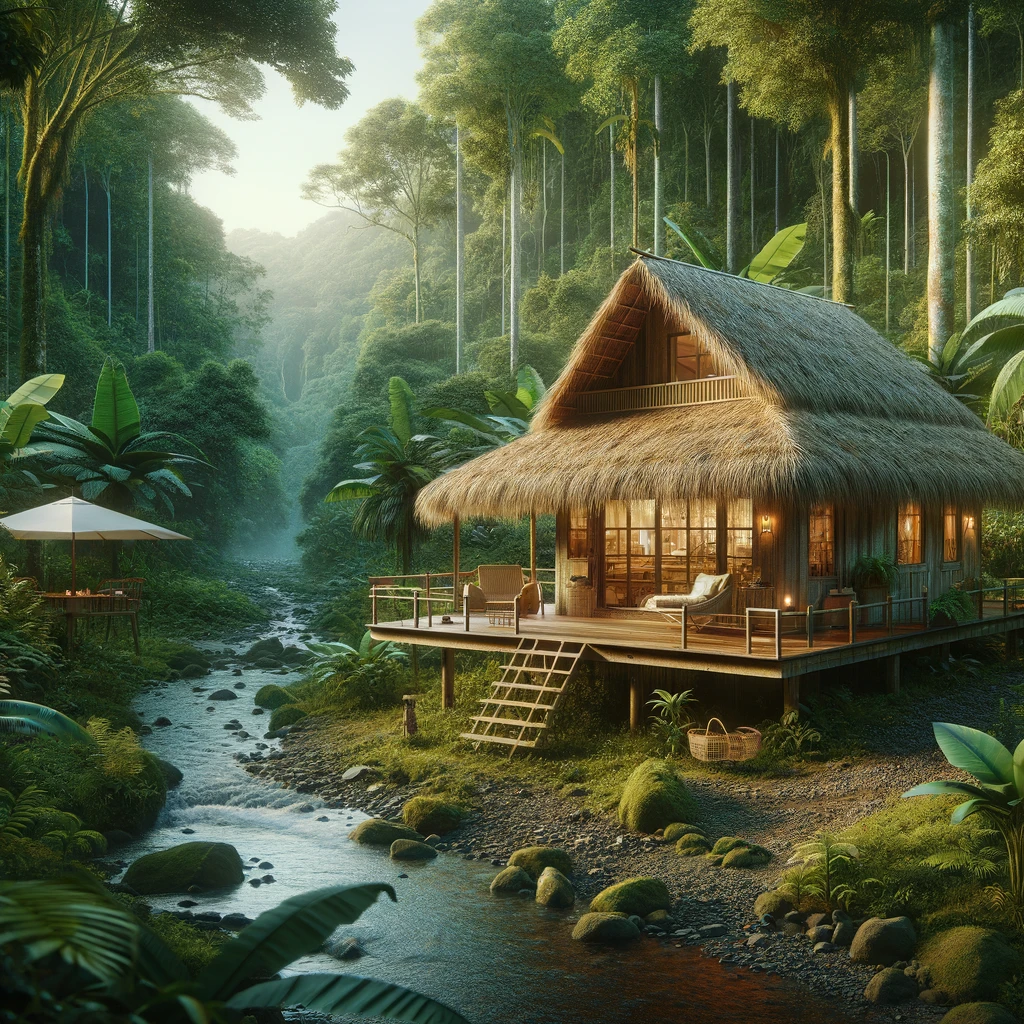
Building Materials that are Kind to the Environment
When choosing building materials for your home, it is important to prioritize those that are kind to the environment. Opt for sustainable options such as bamboo, cork, reclaimed wood, and recycled steel. These materials not only reduce the demand for new resources but also minimize the carbon footprint associated with construction.
Additionally, consider materials that are non-toxic and emit low levels of volatile organic compounds (VOCs). Look for products that have been certified as environmentally-friendly, such as low-VOC paints, natural insulation materials, and eco-friendly adhesives. By selecting eco-conscious building materials, you can create a healthier living environment for you and your family while reducing the impact on the planet.
Maximizing Natural Light and Ventilation in Your Home
Natural light and ventilation are essential elements in creating a comfortable and environmentally friendly living space. A strategic placement of windows and skylights can maximize the amount of natural light entering your home, reducing the need for artificial lighting during the day. Additionally, cross ventilation can be achieved by positioning windows on opposite sides of a room, allowing fresh air to flow through and create a breezy atmosphere.
When designing your home, consider incorporating light colors and reflective surfaces to enhance the natural lighting effect. Opt for sheer curtains or blinds that allow light to pass through while still providing privacy. Installing ceiling fans can also help improve air circulation and cooling efficiency, reducing the reliance on air conditioning systems. By harnessing the power of natural light and ventilation, you can create a bright, airy, and sustainable living environment for you and your family.
Water Conservation Strategies for Eco-Friendly Living
Water conservation is a critical aspect of eco-friendly living, especially in regions facing water scarcity. Implementing simple strategies can make a significant difference in reducing water consumption in households. One effective method is installing low-flow fixtures, such as faucets and showerheads, to limit water usage without compromising functionality.
Another water-saving strategy is fixing leaks promptly to prevent wastage. Even a small drip can add up to a significant amount of water loss over time. Regularly checking for leaks and repairing them promptly can contribute to water conservation efforts in homes, ultimately leading to a more sustainable lifestyle.
Incorporating Renewable Energy Sources into Your Home Design
When designing a sustainable home, incorporating renewable energy sources is essential in reducing its carbon footprint and dependency on non-renewable resources. One effective way to achieve this is by installing solar panels on the roof to harness the power of the sun and convert it into electricity. Solar energy is a clean and renewable source of power that can significantly reduce your home’s reliance on traditional grid electricity.
In addition to solar panels, another renewable energy option to consider is wind turbines. By harnessing the power of the wind, you can generate electricity to power your home. Wind energy is a great complement to solar power, especially in areas that experience consistent wind patterns. By combining both solar and wind energy sources, you can create a sustainable home design that is not only environmentally friendly but also cost-effective in the long run.
Choosing Low-impact Landscaping for Sustainable Living
When it comes to low-impact landscaping for sustainable living, choosing native plants is key. Native plants are well-adapted to the local climate and soil conditions, requiring less water and maintenance compared to non-native species. By incorporating native plants into your landscaping design, you can help conserve water, reduce the need for chemical fertilizers and pesticides, and provide habitat for local wildlife.
Another important aspect of low-impact landscaping is reducing impermeable surfaces in your outdoor space. Instead of using concrete or asphalt for paths and patios, consider using permeable materials like gravel, mulch, or permeable pavers. These materials allow rainwater to seep into the ground, reducing runoff and replenishing groundwater supplies. Additionally, incorporating rain gardens or bioswales can help capture and filter rainwater, reducing erosion and pollution in local waterways.
Waste Reduction and Recycling Tips for a Greener Home
Reducing waste and recycling materials are essential practices for creating a greener home environment. One simple tip is to reduce single-use items by opting for reusable alternatives whenever possible. Investing in reusable shopping bags, water bottles, and containers can significantly cut down on the amount of waste generated in your household.
Another effective strategy is to segregate waste into designated bins for recycling different materials such as paper, plastic, glass, and metal. Establishing a routine for sorting waste makes it easier to recycle and ensures that materials are disposed of properly. Additionally, consider composting organic waste to reduce landfill contributions and enrich your soil for gardening purposes. By incorporating these waste reduction and recycling tips into your daily routine, you can play a part in promoting a more sustainable way of living.
Creating Indoor Air Quality with Non-Toxic Materials
When it comes to creating a healthy indoor environment, choosing non-toxic materials is crucial. Harmful chemicals found in many traditional building materials can off-gas and negatively impact the air quality in your home. Opting for materials such as low-VOC paints, natural wood finishes, and eco-friendly insulation can help reduce indoor air pollutants and create a safer living space for you and your family.
In addition to selecting non-toxic materials for your home, proper ventilation is key to maintaining good indoor air quality. Opening windows regularly to allow for fresh air circulation, using exhaust fans in kitchens and bathrooms, and investing in air purifiers can all help remove pollutants from the air and improve the overall health and comfort of your indoor environment. By being mindful of the materials used in your home and prioritizing good ventilation practices, you can create a space that promotes clean and healthy indoor air quality.
Implementing Energy-Efficient Appliances and Fixtures
Energy-efficient appliances and fixtures are essential components of a sustainable home design. By opting for appliances with high Energy Star ratings, homeowners can significantly reduce their energy consumption and utility bills. From refrigerators and washing machines to lighting fixtures and HVAC systems, investing in energy-efficient options not only benefits the environment but also enhances the overall efficiency and functionality of the home.
Furthermore, incorporating smart technology into appliances and fixtures can further optimize energy usage and control. Smart thermostats, lighting systems, and water heaters allow for remote monitoring and adjustment, ensuring that energy is used only when needed. By harnessing the power of technology, homeowners can create a more sustainable living environment that maximizes efficiency and minimizes waste.
Designing a Sustainable Home with Passive Cooling Techniques
Passive cooling techniques can play a significant role in designing a sustainable home that reduces the need for artificial cooling systems. By implementing strategies such as proper insulation, shading, and natural ventilation, homeowners can effectively regulate indoor temperatures and minimize energy consumption. For example, utilizing light-colored roofing materials and reflective surfaces can help reduce heat absorption, while strategically placing windows and utilizing cross ventilation can enhance air circulation, fostering a comfortable living environment without relying heavily on air conditioning.
In addition to architectural considerations, incorporating thermal mass elements such as stone, brick, or concrete can also help regulate indoor temperatures by absorbing excess heat during the day and releasing it gradually at night. By combining passive cooling techniques with energy-efficient design principles, homeowners can create a sustainable living space that not only reduces environmental impact but also promotes a healthier and more comfortable lifestyle.
Community Initiatives for Sustainable Living in Playa Flamingo
Playa Flamingo is a vibrant community that is actively embracing sustainable living practices. Residents are coming together to implement initiatives aimed at reducing their environmental impact and creating a greener, more eco-friendly neighborhood. From community clean-up events to promoting recycling and composting programs, the residents of Playa Flamingo are working hand in hand to protect their natural surroundings.
In addition to individual efforts, local businesses in Playa Flamingo are also taking steps towards sustainability. Many establishments are adopting practices such as reducing single-use plastics, sourcing locally grown produce, and implementing energy-saving measures to minimize their ecological footprint. Through collaboration and shared commitment to environmental responsibility, Playa Flamingo is setting an inspiring example of how communities can come together to create a more sustainable future.
What are some examples of building materials that are kind to the environment?
Some examples of eco-friendly building materials include bamboo, reclaimed wood, recycled steel, and low-VOC paint.
How can I maximize natural light and ventilation in my home?
You can maximize natural light by using skylights, large windows, and light-colored walls. To maximize ventilation, consider installing ceiling fans, strategically placing windows for cross-ventilation, and using natural ventilation techniques.
What water conservation strategies can I implement for eco-friendly living?
You can reduce water consumption by fixing leaks, installing water-saving fixtures, collecting rainwater for irrigation, and utilizing drought-resistant landscaping.
How can I incorporate renewable energy sources into my home design?
You can incorporate renewable energy sources such as solar panels, wind turbines, and geothermal heating systems to reduce your reliance on fossil fuels.
What are some low-impact landscaping options for sustainable living?
Low-impact landscaping options include native plants, drought-resistant grasses, permeable paving, and creating wildlife habitats in your garden.
What waste reduction and recycling tips can I follow for a greener home?
You can reduce waste by composting organic materials, recycling paper, glass, and plastic, and avoiding single-use products whenever possible.
How can I create indoor air quality with non-toxic materials?
You can improve indoor air quality by using low-VOC paints, non-toxic cleaning products, and choosing natural materials like bamboo flooring and wool carpets.
What energy-efficient appliances and fixtures should I consider for my home?
Energy-efficient appliances and fixtures include Energy Star-rated appliances, LED light bulbs, programmable thermostats, and low-flow faucets and showerheads.
What are passive cooling techniques and how can I incorporate them into my home design?
Passive cooling techniques include shading, insulation, thermal mass, and natural ventilation. You can incorporate these techniques by designing your home with overhangs, thermal mass walls, and operable windows.
What community initiatives for sustainable living are available in Playa Flamingo?
Some community initiatives for sustainable living in Playa Flamingo include beach clean-ups, recycling programs, community gardens, and educational workshops on environmental conservation.




Join The Discussion