
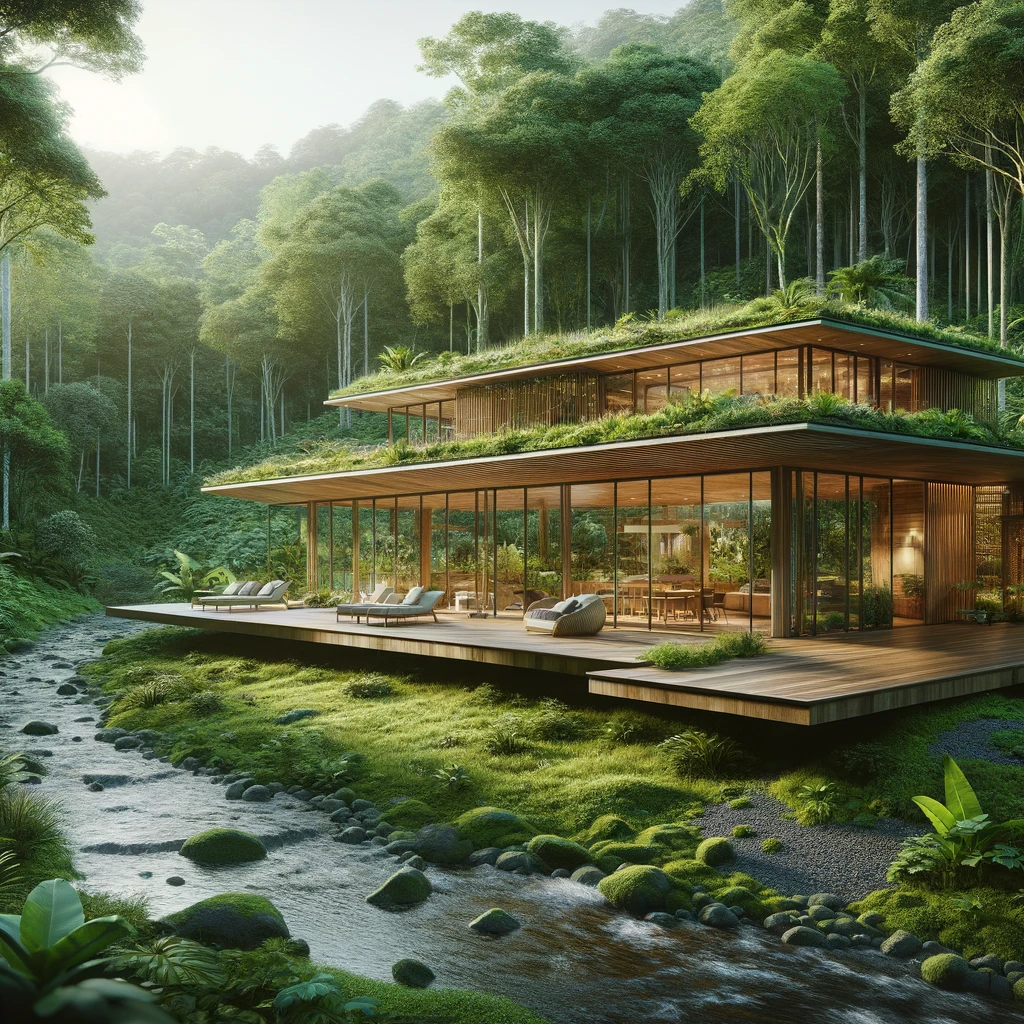
Challenges in Implementing Sustainable Building Practices in Costa Rica
Sustainable building practices face hurdles in Costa Rica due to limited awareness and education among developers and construction professionals. Many are unfamiliar with the latest eco-friendly technologies and materials, making it challenging to implement sustainable methods effectively. Additionally, there is a lack of stringent regulations and enforcement mechanisms to ensure that green building standards are met, leading to inconsistencies in the execution of sustainable projects.
Moreover, the upfront costs associated with sustainable building practices pose a significant challenge for developers in Costa Rica. While the long-term benefits of eco-friendly construction are substantial, the initial investment required can deter some stakeholders from adopting sustainable approaches. Financial incentives and support mechanisms are crucial to encouraging more widespread adoption of green building practices in the Costa Rican real estate sector.
• Limited awareness and education among developers and construction professionals
• Lack of familiarity with eco-friendly technologies and materials
• Insufficient regulations and enforcement mechanisms for green building standards
• Upfront costs associated with sustainable building practices
• Potential deterrence of stakeholders due to initial investment requirements
• Importance of financial incentives and support mechanisms for encouraging adoption
Growing Demand for Eco-Friendly Homes in the Real Estate Market
The growing demand for eco-friendly homes in the real estate market is a clear reflection of shifting consumer preferences towards sustainable living. Homebuyers are increasingly seeking residences that are energy-efficient, environmentally conscious, and contribute to a lower carbon footprint. This trend is not only driven by a desire to live in harmony with nature but also by a sense of responsibility towards future generations.
Real estate developers are responding to this demand by incorporating green building practices and technologies into their projects. From solar panels to rainwater harvesting systems, these eco-friendly features not only attract buyers but also position developments as modern, forward-thinking communities. As more individuals become aware of the benefits of eco-friendly homes, the market is expected to continue to trend towards sustainable living in the coming years.
• Consumers are increasingly seeking energy-efficient and environmentally conscious residences
• Demand for eco-friendly homes is driven by a desire to live in harmony with nature and a sense of responsibility towards future generations
• Real estate developers are incorporating green building practices and technologies into their projects
• Features such as solar panels and rainwater harvesting systems attract buyers and position developments as modern communities
• The market is expected to continue trending towards sustainable living in the coming years as awareness of eco-friendly benefits grows
Innovative Green Construction Technologies in Costa Rica
In Costa Rica, the adoption of innovative green construction technologies is gaining momentum as the real estate sector strives to reduce its environmental impact. From solar panels and green roofs to rainwater harvesting systems and energy-efficient HVAC units, developers are embracing a wide array of sustainable solutions to minimize carbon footprint during construction and operation stages.
Moreover, the integration of smart building technologies and materials made from recycled resources is revolutionizing the way properties are designed and built in Costa Rica. By leveraging these advanced construction methods, developers can enhance energy efficiency, improve indoor air quality, and promote overall sustainability in the built environment. These innovative green construction technologies not only benefit the environment but also contribute to the creation of healthier and more resilient communities.
• Solar panels are being widely used in Costa Rica to harness renewable energy and reduce reliance on traditional power sources.
• Green roofs are becoming popular among developers as they help regulate indoor temperature, reduce energy consumption for heating and cooling, and improve air quality.
• Rainwater harvesting systems are being implemented to collect rainwater for non-potable uses such as irrigation, flushing toilets, and cleaning.
• Energy-efficient HVAC units are being installed in buildings to minimize energy consumption while maintaining comfortable indoor temperatures.
• Smart building technologies allow for automated control of lighting, heating, cooling, and other systems to optimize energy usage based on occupancy levels and environmental conditions.
• Materials made from recycled resources such as reclaimed wood, recycled glass countertops, and eco-friendly insulation materials are being used in construction projects to reduce waste and promote sustainability.
Government Incentives for Green Building Projects
In Costa Rica, the government offers a range of incentives to encourage green building projects across the country. These incentives aim to promote sustainability in the real estate sector and reduce the environmental impact of construction activities. Some of the common incentives include tax breaks, expedited permitting processes, and access to financing options with favorable terms for green building projects.
Developers who opt for sustainable building practices can benefit from reduced tax liabilities, which can help offset the initial costs associated with integrating green technologies and materials into their projects. Moreover, streamlined permit procedures for eco-friendly constructions expedite the approval process, enabling developers to start implementation sooner and contribute to the green building movement in Costa Rica.
• Tax breaks
• Expedited permitting processes
• Access to financing options with favorable terms
These incentives not only benefit developers but also contribute to the overall environmental goals of Costa Rica. By encouraging the use of sustainable practices in construction, the government is taking proactive steps towards reducing carbon emissions and promoting a healthier environment for its citizens.
In addition to financial incentives, the government also provides technical assistance and training programs for developers looking to incorporate green building principles into their projects. This support helps ensure that builders have access to the latest technologies and best practices in sustainable construction, further driving the adoption of eco-friendly methods in the industry.
Furthermore, by incentivizing green building projects, Costa Rica is positioning itself as a leader in sustainability within Central America. The country’s commitment to environmental conservation has garnered international recognition and attracted investors who are interested in supporting environmentally responsible development initiatives.
Overall, government incentives play a crucial role in promoting green building projects by making them more financially viable and accessible for developers. As Costa Rica continues on its path towards becoming a carbon-neutral nation, these incentives will be instrumental in driving innovation and progress in sustainable construction practices across the country.
Impact of Green Construction on the Environment in Costa Rica
Green construction practices in Costa Rica have been making a significant impact on the environment in recent years. By incorporating sustainable materials and energy-efficient designs, green buildings are reducing carbon emissions and minimizing the use of natural resources. These environmentally friendly practices help in preserving the country’s rich biodiversity and combating climate change.
Additionally, the adoption of green construction techniques in Costa Rica has led to a decrease in waste generation during the building process. By promoting recycling and reusing materials, green buildings are contributing to a more sustainable approach to construction. This reduction in waste not only benefits the environment but also helps in promoting a more circular economy within the real estate sector.
• Green construction practices in Costa Rica are reducing carbon emissions and minimizing the use of natural resources
• Sustainable materials and energy-efficient designs are being incorporated into green buildings
• These practices help preserve the country’s biodiversity and combat climate change
• Waste generation during the building process has decreased due to green construction techniques
• Recycling and reusing materials is promoted in green buildings, contributing to a more sustainable approach
• Reduction in waste benefits the environment and promotes a circular economy within the real estate sector
Cost Benefits of Sustainable Building Practices in Real Estate Development
Sustainable building practices in real estate development come with a range of cost benefits that are attracting developers and investors alike. While the initial investment in eco-friendly materials and technologies may be higher, the long-term savings from reduced energy consumption, water usage, and maintenance costs can outweigh the upfront expenses. Additionally, properties designed with sustainability in mind often enjoy increased market value and demand, providing a competitive edge in the real estate sector.
Moreover, sustainable buildings tend to have lower operating costs over their lifespan due to improved energy efficiency and reduced environmental impact. By incorporating features such as solar panels, rainwater harvesting systems, and efficient insulation, developers can create buildings that not only benefit the environment but also yield significant cost savings for occupants. Embracing sustainable building practices not only contributes to a greener future but also offers financial advantages that can enhance the overall viability and profitability of real estate projects.
• Sustainable building practices offer long-term savings from reduced energy consumption, water usage, and maintenance costs
• Properties designed with sustainability in mind often enjoy increased market value and demand
• Sustainable buildings have lower operating costs over their lifespan due to improved energy efficiency and reduced environmental impact
• Features such as solar panels, rainwater harvesting systems, and efficient insulation can yield significant cost savings for occupants
Trends in Green Architecture and Design in Costa Rica
Costa Rica has seen a noticeable rise in the integration of green architecture and design principles in recent years, reflecting a growing emphasis on sustainability within the real estate sector. Architects and designers are increasingly incorporating eco-friendly materials, energy-efficient systems, and passive design strategies into their projects to reduce environmental impact and promote energy efficiency. This trend towards green architecture is not only driven by environmental concerns but also by a shift in consumer preferences towards more sustainable living spaces.
Moreover, the integration of biophilic design elements, such as green roofs, living walls, and natural lighting, has become a prominent trend in green architecture and design in Costa Rica. These features not only enhance the aesthetics of buildings but also provide numerous benefits, including improved indoor air quality, increased occupant well-being, and reduced energy consumption. By seamlessly blending nature with the built environment, architects and designers are creating sustainable spaces that prioritize the health and comfort of occupants while reducing the overall ecological footprint of buildings.
• The rise of green architecture in Costa Rica reflects a growing emphasis on sustainability within the real estate sector
• Eco-friendly materials, energy-efficient systems, and passive design strategies are being incorporated into projects to reduce environmental impact
• Consumer preferences towards sustainable living spaces are driving the trend towards green architecture
• Biophilic design elements like green roofs, living walls, and natural lighting have become prominent features in Costa Rican architecture
• These elements not only enhance aesthetics but also improve indoor air quality and occupant well-being while reducing energy consumption
Certifications and Standards for Green Buildings in the Real Estate Industry
Certifications and standards play a crucial role in promoting sustainable practices in the real estate industry. In Costa Rica, the most recognized certification system for green buildings is the LEED (Leadership in Energy and Environmental Design) program. This internationally recognized certification assesses a building’s environmental performance and awards points based on sustainable features such as energy efficiency, water conservation, and indoor air quality.
In addition to LEED, Costa Rica also has adopted the EDGE (Excellence in Design for Greater Efficiencies) certification system, which focuses on promoting resource-efficient and affordable buildings. EDGE certification evaluates a building’s energy, water, and materials usage to ensure that it meets certain sustainability criteria. These certifications not only help developers showcase their commitment to sustainability but also provide valuable guidance on how to design and construct environmentally friendly buildings in accordance with global standards.
• LEED (Leadership in Energy and Environmental Design) program is the most recognized certification system for green buildings in Costa Rica
• The program assesses a building’s environmental performance based on sustainable features such as energy efficiency, water conservation, and indoor air quality
• EDGE (Excellence in Design for Greater Efficiencies) certification system is also adopted in Costa Rica to promote resource-efficient and affordable buildings
• EDGE certification evaluates a building’s energy, water, and materials usage to ensure sustainability criteria are met
• These certifications help developers showcase their commitment to sustainability and provide guidance on designing environmentally friendly buildings according to global standards.
Collaboration between Developers and Environmental Organizations in Costa Rica
Developers in Costa Rica are increasingly recognizing the importance of collaborating with environmental organizations to promote sustainable practices in the real estate sector. By working together, developers can gain valuable insights and expertise on eco-friendly building techniques, materials, and design principles. This collaboration not only helps developers meet green building standards but also contributes to the preservation of the country’s rich biodiversity and natural resources.
Environmental organizations play a crucial role in guiding developers towards implementing sustainable solutions that minimize the environmental impact of construction projects. Through partnerships and joint initiatives, these organizations help raise awareness about the benefits of green building practices, advocate for stricter environmental regulations, and provide resources for developers to adopt more environmentally-friendly approaches in their projects. By fostering a culture of collaboration, developers and environmental organizations in Costa Rica can drive positive change and pave the way for a more sustainable future in the real estate industry.
• Developers can gain valuable insights and expertise on eco-friendly building techniques
• Collaboration helps developers meet green building standards
• Preservation of the country’s rich biodiversity and natural resources is promoted
• Environmental organizations guide developers towards implementing sustainable solutions
• Partnerships help raise awareness about the benefits of green building practices
• Advocacy for stricter environmental regulations is encouraged
• Resources are provided for developers to adopt more environmentally-friendly approaches in their projects
Future Prospects for Sustainable Development in Costa Rica’s Real Estate Sector
As the global awareness of environmental issues continues to grow, the real estate sector in Costa Rica is poised to embrace sustainable development practices in the future. With an increasing demand for eco-friendly homes and buildings, developers are recognizing the importance of incorporating green construction technologies and practices into their projects. This shift towards sustainability not only benefits the environment but also enhances the overall quality of life for residents and promotes long-term cost savings.
Furthermore, the collaboration between developers and environmental organizations in Costa Rica is expected to strengthen, leading to more innovative and holistic approaches to sustainable real estate development. By working together, these stakeholders can create synergies that promote the adoption of green building standards and certifications, driving the country towards a more sustainable future. Through continued efforts and a commitment to sustainable practices, the real estate sector in Costa Rica has the potential to lead the way in environmentally conscious development within the region.
• Embracing sustainable development practices in real estate sector
• Increasing demand for eco-friendly homes and buildings
• Incorporating green construction technologies and practices
• Benefits of sustainability for environment, quality of life, and cost savings
The collaboration between developers and environmental organizations in Costa Rica is expected to strengthen in the future. This partnership will lead to more innovative and holistic approaches to sustainable real estate development. By working together, stakeholders can create synergies that promote the adoption of green building standards and certifications, driving the country towards a more sustainable future. Through continued efforts and a commitment to sustainable practices, the real estate sector in Costa Rica has the potential to lead the way in environmentally conscious development within the region.
• Strengthening collaboration between developers and environmental organizations
• Promoting adoption of green building standards and certifications
• Driving towards a more sustainable future through synergies
• Leading the way in environmentally conscious development
What are some of the challenges in implementing sustainable building practices in Costa Rica?
Some of the challenges include high initial costs, lack of awareness among developers, and limited availability of green materials and technologies.
Why is there a growing demand for eco-friendly homes in the Costa Rican real estate market?
Consumers are increasingly concerned about the environment and are willing to pay a premium for homes that are energy efficient, environmentally friendly, and sustainable.
What are some innovative green construction technologies being used in Costa Rica?
Some examples include solar panels, green roofs, rainwater harvesting systems, and eco-friendly building materials such as bamboo and recycled materials.
Are there government incentives for green building projects in Costa Rica?
Yes, the Costa Rican government offers tax incentives, subsidies, and grants to encourage developers to adopt sustainable building practices.
How does green construction impact the environment in Costa Rica?
Green construction helps to reduce carbon emissions, conserve natural resources, and minimize waste, thus having a positive impact on the environment.
What are the cost benefits of sustainable building practices in real estate development?
While the initial costs may be higher, sustainable buildings have lower operating costs, higher resale value, and attract more buyers, leading to long-term cost savings.
What are some current trends in green architecture and design in Costa Rica?
Some trends include passive solar design, use of locally sourced materials, incorporation of green spaces, and energy-efficient lighting and appliances.
Are there certifications and standards for green buildings in the real estate industry in Costa Rica?
Yes, there are various green building certifications such as LEED, EDGE, and the CST-001 standard, which ensure that buildings meet specific sustainability criteria.
How can developers collaborate with environmental organizations in Costa Rica?
Developers can partner with organizations to implement sustainability initiatives, promote eco-friendly practices, and educate the public on the benefits of green construction.
What are the future prospects for sustainable development in Costa Rica’s real estate sector?
The future looks promising, with increasing awareness, government support, and technological advancements driving the adoption of sustainable practices in the real estate industry.




Join The Discussion